National Dish Chad: Thé au Gingembre (Recipe)
In this article
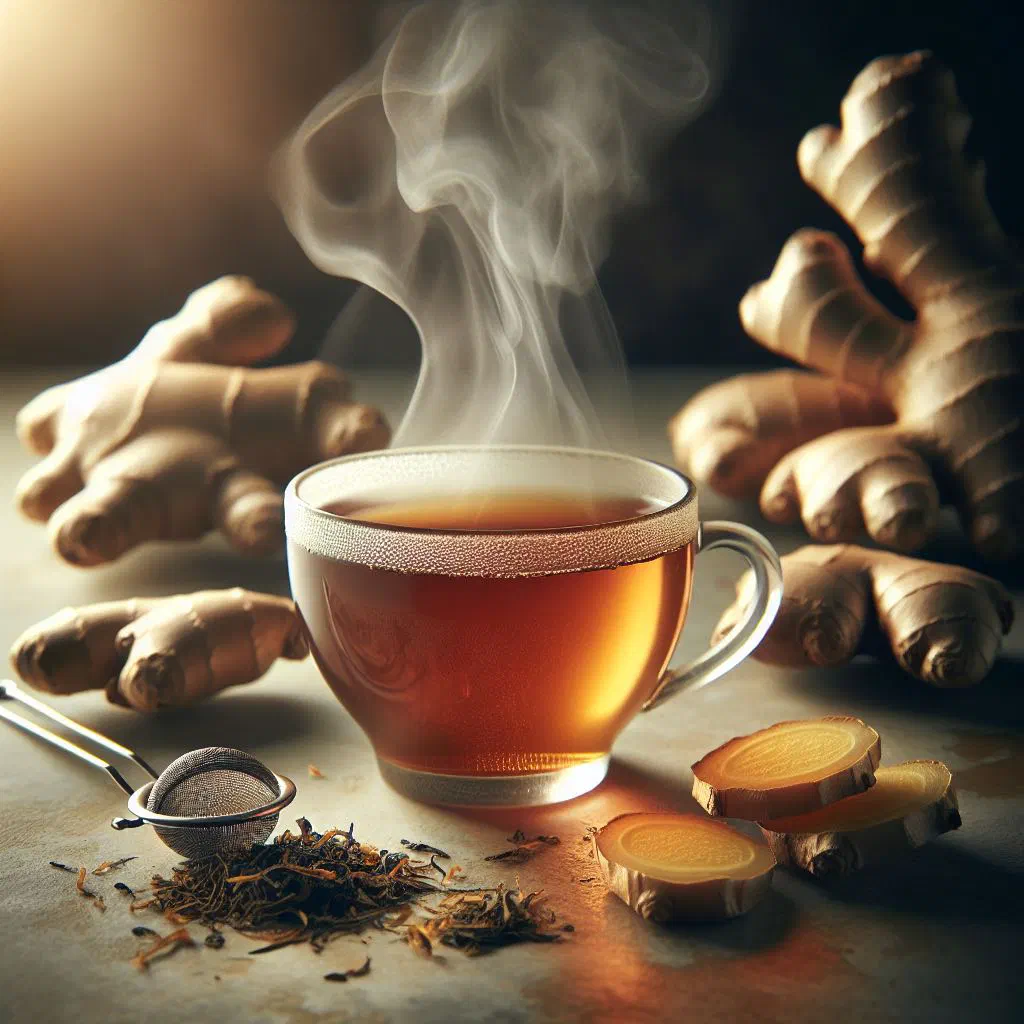
Discover Thé au Gingembre, the fragrant ginger tea that warms kitchens and courtyards across Chad. Fresh root ginger is simmered with a whisper of cinnamon and cloves, then sweetened with honey until the whole pot smells of spice and sunshine. It is a drink of welcome, poured for guests and shared over long conversations, and it tastes every bit as good chilled on a hot afternoon as it does steaming hot.
About Thé au Gingembre
Thé au Gingembre is a delicious spiced tea that comes from the beautiful country of Chad. It is traditionally made with fresh ginger and a handful of aromatic spices, and it forms an important part of Chadian food culture. The tea is served at all sorts of occasions and sociable gatherings, which has made it something of a symbol of hospitality. Its refreshing flavour and the soothing properties of ginger make it a firm favourite that can be enjoyed either warm or cold.
Ingredients (serves 1–2)
- 2 cups water
- 1–2 pieces fresh ginger (about 2–4 cm, to taste)
- 2–3 tablespoons honey or sugar, to taste
- 1 pinch cinnamon
- 1 pinch ground cloves (optional)
Shopping for the ingredients
To make Thé au Gingembre you will need fresh ginger, which is stocked by most supermarkets and is easy to order online. Honey is the usual sweetener and is just as simple to find. Cinnamon and cloves live in the spice aisle of any decent grocery shop. Choose good-quality ingredients wherever you can, with so few of them in the pot, each one has a real say in how the finished drink tastes.
Preparing the dish
Getting Thé au Gingembre ready is straightforward and takes very little time. Start by washing the ginger thoroughly, then cut it into thin slices or grate it so the aroma is released as fully as possible. Breaking the root down properly matters, because it is what gives the tea its intensity. Measure out the remaining ingredients before you begin, and the rest of the process will run smoothly from start to finish.
Step-by-step instructions
- Bring the water to the boil in a saucepan.
- Add the prepared ginger along with the spices.
- Turn the heat down and let the mixture simmer for around 10–15 minutes.
- Stir in the honey or sugar until it has fully dissolved.
- Strain the tea through a fine sieve into cups and enjoy it warm or chilled.
Gluten-free / lactose-free version
Thé au Gingembre is naturally gluten-free and lactose-free, which makes it an ideal choice for anyone with particular dietary requirements. Nothing in the basic recipe contains gluten or dairy, so you can pour it with complete confidence. If you decide to add extra ingredients, simply check that any sweeteners or flavourings you reach for are certified gluten-free as well.
Tips for vegans and vegetarians
For vegans, Thé au Gingembre is an excellent choice, since it can be made without a single animal product. Instead of honey, use a plant-based sweetener such as agave syrup or maple syrup. These alternatives are vegan and bring their own interesting note to the cup. As always, read labels carefully so that every element of the drink supports a plant-based diet.
More tips and tricks
To deepen the aroma of Thé au Gingembre, adjust the spices to suit your own palate. Play with the amounts of cinnamon and cloves until you find a balance that feels right. Another lovely way to lift the tea is a handful of fresh mint or a squeeze of lemon juice, which turns it into a properly refreshing drink, much like the mint-scented Thé Vert Sucré that is poured alongside it.
Adapting the recipe to your taste
The recipe for Thé au Gingembre is remarkably adaptable and easy to modify to personal preference. If you prefer things less sweet, reduce the sugar or leave it out altogether. You can also brew the spices over a base of green or black tea for a stronger, more tannic cup. Adjustments like these let you shape the drink entirely around your own taste.
Ingredient substitutions
If you have no fresh ginger to hand, ground ginger will do the job, although the fresh root always gives the better flavour. Honey can be swapped for agave nectar or coconut sugar without any trouble. You can vary the spices too, a little nutmeg or cardamom adds a new dimension to Thé au Gingembre. Bear in mind that every ingredient shifts the overall profile of the tea, so change one thing at a time.
Drink pairing ideas
Thé au Gingembre sits happily alongside other drinks on the table. Serve it with fruit juices or a thick, cooling Smoothie de Mangue for a balanced selection. Alcohol-free cocktails built on mint or lime complement its warmth beautifully, while the traditional millet beer Tchoukoutou offers a livelier contrast for grown-up gatherings. Combinations like these make any spread feel more varied and welcoming.
Serving and presentation ideas
Presentation can make a real difference to the Thé au Gingembre experience. Use attractive tea glasses or cups that show off the golden colour of the brew. Finish each one with a sprig of fresh mint or a slice of lemon for a touch of contrast. Small details like these go a long way and never fail to impress guests, especially when the tea follows a rich main course such as Ragoût de Viande.
A bit of history
Thé au Gingembre has deep-rooted traditions in Chad that reach far back into the past. Ginger has long been valued across many African cultures both as a spice and for its healing properties. In Chad the tea is not merely a popular drink but a mark of hospitality and community. Sharing a pot carries a social meaning all of its own, giving people the time to maintain relationships and exchange stories, a quality that runs right through Chadian cuisine.
More recipe ideas
Summary: Thé au Gingembre
Thé au Gingembre is far more than a simple spiced tea; it is a piece of Chadian heritage that brings tradition and flavour together in one cup. Its many possible variations make it just as suitable for people with different dietary needs. Enjoy it quietly on your own or in good company, and let its refreshing character work its charm. This tea is a pleasure for the palate and a wonderful way to learn a little more about the cultures of Africa.