National Dish Colombia: Arepas (Recipe)
In this article
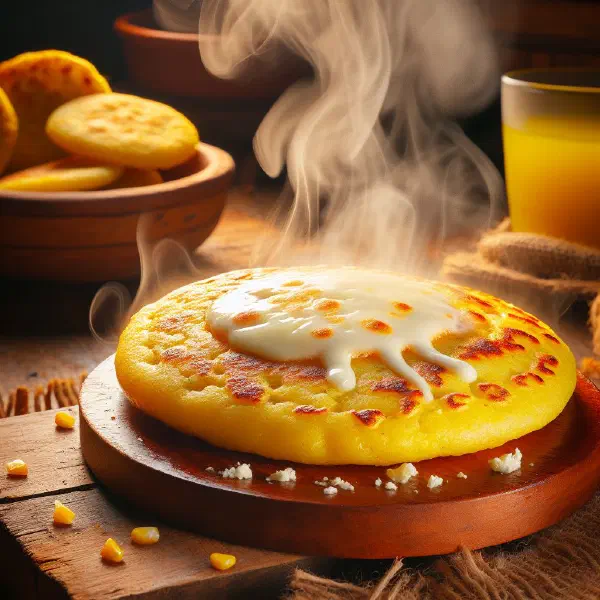
Say hello to Arepas, the warm cornmeal flatbreads that sit at the very heart of Colombian cooking. Crisp on the outside and pillowy within, they are endlessly versatile, split them open and pile in cheese, meat or fresh vegetables to suit the moment. Simple to make and impossible to resist, arepas bring a taste of Colombian hospitality straight to your own kitchen, whether as a hearty breakfast or a satisfying snack at any hour.
About Arepas
Arepas are a traditional staple of both Colombia and Venezuela, built from a wonderfully simple dough of cornmeal, water and salt. These flatbreads are crisp on the outside and soft in the middle, and they can be filled with almost anything you fancy. Fillings run the gamut from cheese and meat to a whole array of vegetables, which is exactly what makes the arepa so beloved. That versatility turns it into far more than a basic staple. It is also a favourite snack for every kind of occasion.
Ingredients (serves 1–2)
- 1 cup cornmeal (masarepa)
- 1 cup water
- ½ teaspoon salt
- Filling of your choice (cheese, meat or vegetables)
- Oil, for frying
Shopping for the ingredients
When shopping for arepas, it pays to choose a good-quality cornmeal. Many Latin American grocers and well-stocked supermarkets carry special pre-cooked arepa flour, or masarepa, which is ideal for the job. Be sure to pick up fresh ingredients for your fillings too, so you get the very best flavour. This matters most when you plan to use things like meat or fresh vegetables, where freshness makes all the difference.
Preparing the dish
Making arepas begins with bringing the main ingredients together. The cornmeal is combined with water and salt to form a smooth, pliable dough. Let the dough rest for a few minutes so the ingredients can hydrate and bind properly. While it settles, get your favourite fillings ready by slicing or sautéing them to bring out and deepen the flavours you are after.
Step-by-step instructions
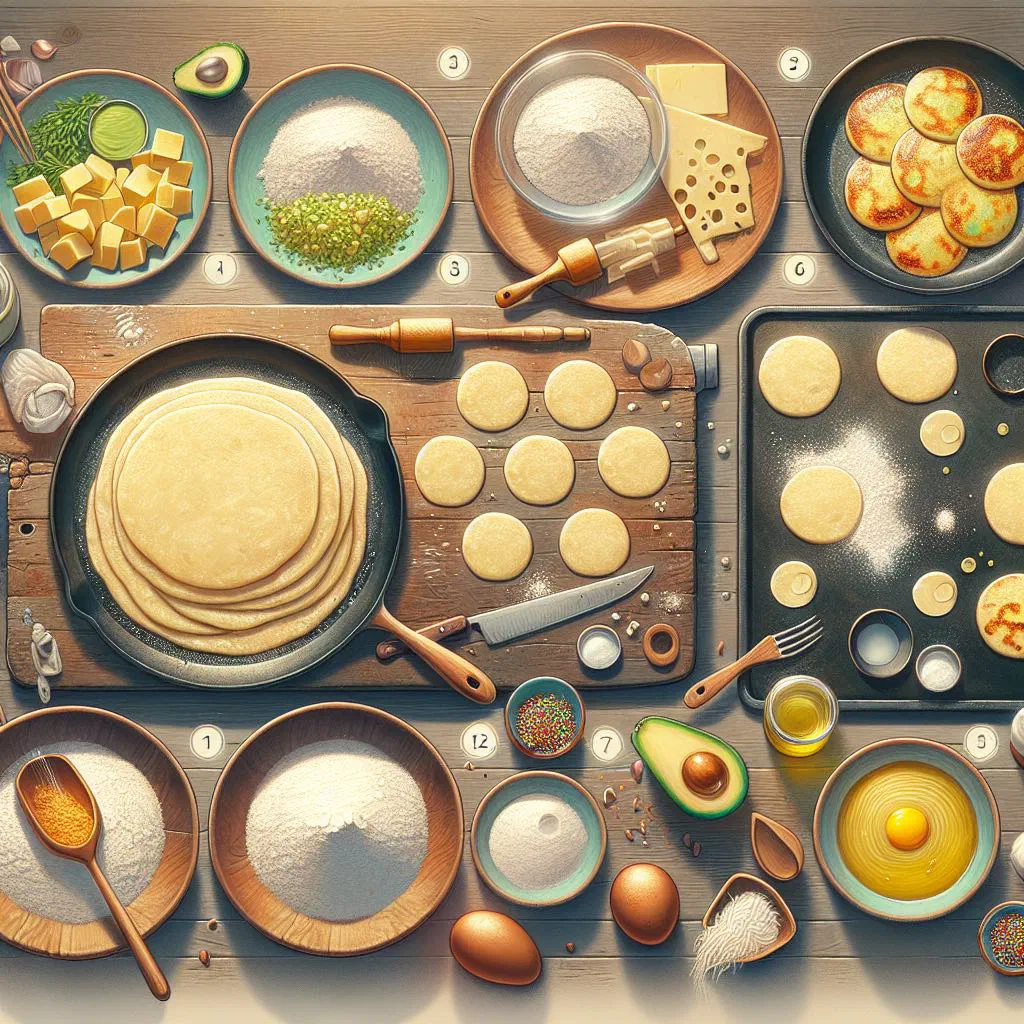
- Mix a dough from the cornmeal, water and salt, then leave it to rest for a few minutes.
- Shape the dough into small portions and flatten each one into a round patty.
- Heat oil in a pan and fry the arepas until golden brown on both sides.
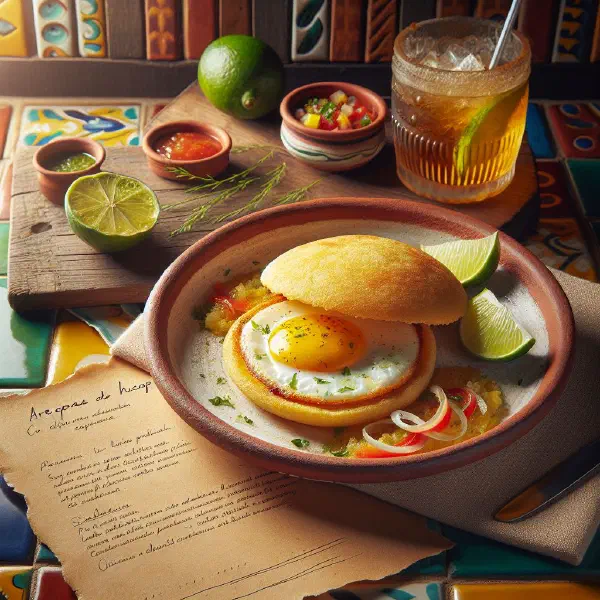
- Split the arepas open and fill them as you like.
Gluten-free / lactose-free version
Arepas are naturally gluten-free, since they are made purely from cornmeal, which makes them a brilliant choice for anyone with a gluten intolerance. For a lactose-free version, simply reach for plant-based fillings such as vegan cheese or vegetables. Much like the cheesy Pandebono, arepas rely on corn-based dough, so enjoy the flexibility and experiment with a range of fillings to suit every diet.
Tips for vegans and vegetarians
For a vegan or vegetarian take on arepas, there are plenty of creative fillings to explore. Try avocado with tomato, black beans or even hummus tucked inside. These combinations are not only delicious but genuinely nourishing. Other ideas include folding in quinoa or leafy greens to push the nutritional value even higher, giving you a filling meal that happens to be entirely plant-based.
More tips and tricks
A useful tip when making arepas is to keep the dough portions even in size. This ensures they cook uniformly and turn out perfectly every time. You can also give the arepas a brief spell in the oven before frying to achieve an extra-crisp crust. Feel free to experiment with different spices worked into the dough, too, for an added layer of aroma and flavour.
Adapting the recipe to your taste
The fillings for arepas are all but limitless and can be tailored entirely to personal taste. The options stretch from sausage to vegetarian spreads. Do not be afraid to let your imagination run free and try out new combinations, much as you would with a plate of golden Patacones. That freedom is what makes cooking arepas so exciting, individual and genuinely your own.
Ingredient substitutions
If you do not have certain ingredients to hand, alternatives are easy to find. In place of cheese you can use vegan substitutes, and instead of meat you might try plant-based proteins. Just make sure your chosen alternatives pair well with the cornmeal dough so you still hit the flavour you are after. A little creativity in the kitchen makes cooking with arepas all the more varied and rewarding.
Drink pairing ideas
Plenty of drinks go beautifully with arepas. Traditionally they are served alongside a refreshing Aguapanela con Limón or simply a glass of water. For something with a bit more of a kick, an Aguardiente Cocktail or a fruity daiquiri makes a festive companion.
Serving and presentation ideas
Presentation is an important part of the meal. Serve the arepas on a nicely dressed plate and add fresh vegetables or herbs for a splash of colour and freshness. Letting everyone assemble their own fillings makes the meal interactive and inviting. Remember to put out dips such as salsa or a good Hogao Sauce as well, for an extra hit of flavour.
A bit of history
Arepas boast a long history reaching back to the indigenous peoples of Colombia and Venezuela. They date from pre-Columbian times, when they were made from traditional corn. Today they remain a firmly rooted part of the culture and are often served at festivals and celebrations. The sheer variety of fillings and cooking methods speaks to the creativity and culinary influence of these regions, a spirit you will find right across Colombian cuisine.
More recipe ideas
Summary: Arepas
Arepas are a simple, iconic dish made from cornmeal that offers endless scope for adaptation and filling. Their versatility and delicious flavour make them an indispensable part of Colombian cuisine. Arepas are always a treat. Try out the different fillings and variations, and rediscover the sheer joy of cooking with this timeless traditional dish.