National Dish Colombia: Buñuelos de Yuca (Recipe)
In this article
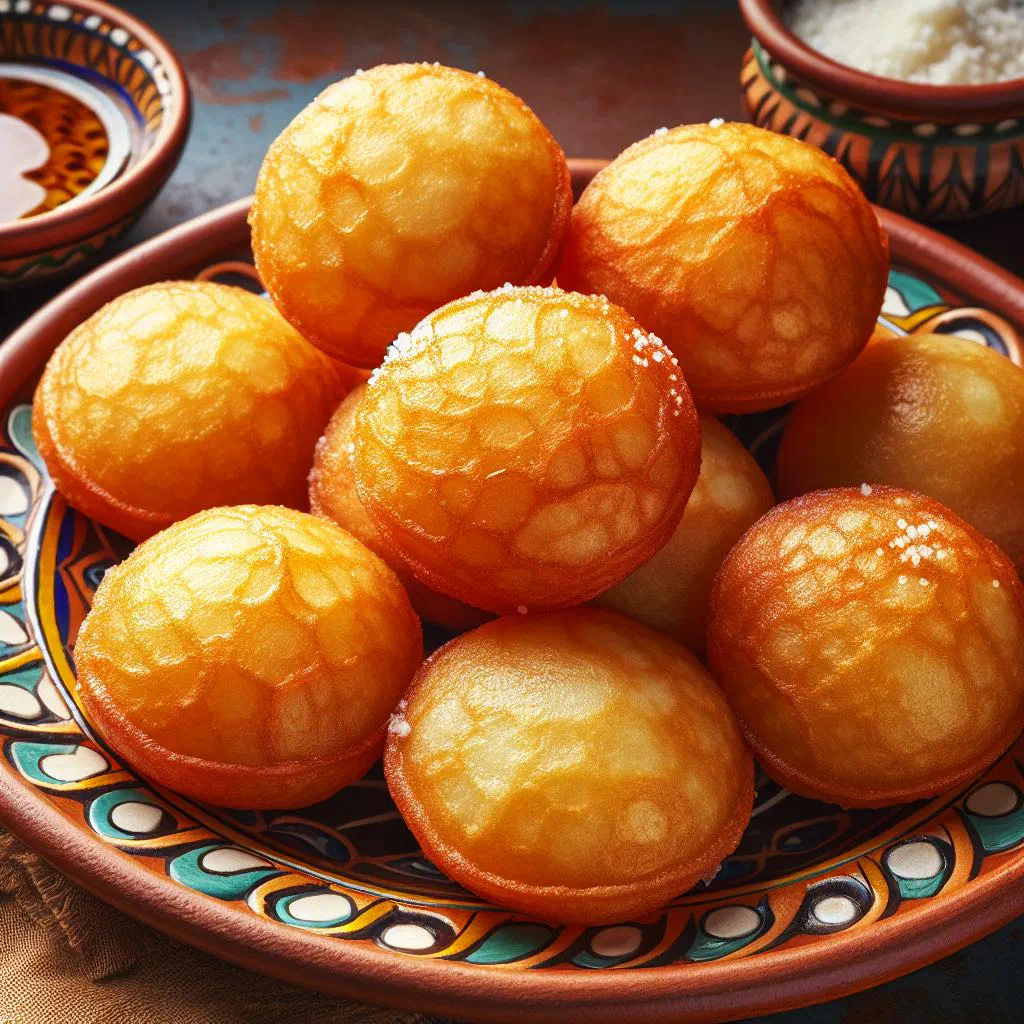
Discover Buñuelos de Yuca, one of Colombia’s most cherished bites. These crisp little dough balls hide a soft, cheesy centre and deliver a flavour that is impossible to resist. Built around humble cassava and fresh cheese, they are surprisingly simple to make and equally at home as a snack or a sweet treat. Fry up a batch and bring a taste of South America straight to your own kitchen.
About Buñuelos de Yuca
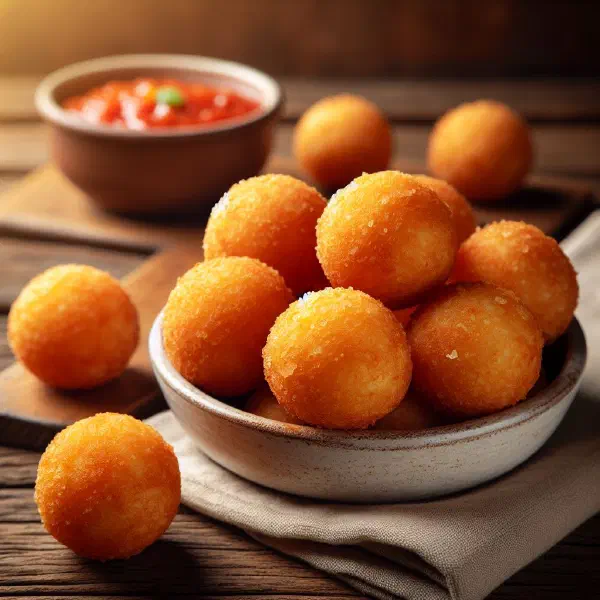
Buñuelos de Yuca are a much-loved dish from Colombia, known for their crunchy exterior and creamy cheese filling. These little dough balls are made mainly from cassava, a starchy root vegetable held in high regard across South America. The dish can be served either as a snack or as a dessert, and it comes together with very little fuss. It is the pairing of cassava and cheese that gives buñuelos their unmistakable, very good taste.
Ingredients (serves 1–2)
- 300g cassava (also known as yuca or manioc)
- 100g fresh cheese (such as queso fresco)
- 1 egg
- 150g cornflour
- 1 teaspoon baking powder
- Salt to taste
- Oil for deep-frying
Shopping for the ingredients
The main ingredients for buñuelos de yuca are available in most supermarkets or in Asian and South American grocery shops. Fresh cassava is a little more specialised, so it is worth checking in advance that it is in stock. A fresh cheese such as queso fresco gives the buñuelos the classic flavour you expect. Be sure to use a good-quality oil for frying too, as this makes all the difference to the final result.
Preparing the dish
Preparing buñuelos de yuca begins with getting the cassava ready. First, peel the cassava and cut it into chunks. Boil the pieces in salted water until they are soft enough to mash. While the cassava cools, chop the cheese into small pieces so it can be worked into the dough later on.
Step-by-step instructions
- Boil the peeled cassava in a large pan of salted water until soft. This takes about 20–25 minutes.
- Drain the cooked cassava and mash it until smooth.
- In a bowl, combine the mashed cassava with the cheese, egg, cornflour, baking powder and salt.
- Knead the mixture well until it forms a smooth, even dough.
- Heat the oil in a deep pan and shape small portions of the dough into round balls.
- Lower the buñuelos into the hot oil and fry until golden brown.
- Drain the finished buñuelos on kitchen paper and serve hot.
Gluten-free / lactose-free version
Buñuelos de yuca are naturally gluten-free, as they are made chiefly from cassava and cheese. For a lactose-free version, use a lactose-free cheese or reach for a plant-based alternative. Just take care that all the ingredients you use, especially the oil, are gluten-free and lactose-free too.
Tips for vegans and vegetarians
There are easy ways for vegans to adapt these buñuelos to suit their diet. In place of cheese, use a plant-based cheese or a mixture of seasoned cashew cream. The egg can be swapped for a flaxseed egg replacement to keep the dough well bound. With these changes the flavour stays authentic and the dish becomes accessible to everyone.
More tips and tricks
To achieve perfectly crisp buñuelos, the temperature of the oil is crucial. It should be sufficiently hot before you add the balls. Dropping in a small test piece helps you tell whether the oil is ready. Do not leave the buñuelos in the oil too long, as they can otherwise darken too much. Another key detail is to keep the balls on the smaller side, or the centres may not cook through completely.
Adapting the recipe to your taste
Buñuelos de yuca are hugely versatile and can be adjusted to your own taste. Add chopped herbs such as parsley or coriander for extra freshness. A pinch of paprika or chilli powder gives the balls a spicier edge. It is well worth trying different cheeses too, gouda or mozzarella can offer wonderful new flavour experiences, much like the cheesy dough that defines Pandebono.
Ingredient substitutions
If cassava is not available, you can also use potatoes as a substitute, though they will change the texture slightly. For the cheese element, combinations of feta or even ricotta work well and each creates a different flavour profile. If you are looking for a gluten-free binding alternative, rice flour or chickpea flour can be used to help hold the buñuelos together, a versatile approach that also suits Pastel de Yuca. Substitutions like these can make the dish not only more interesting but more nutritious too.
Drink pairing ideas
Buñuelos de yuca pair best with refreshing drinks that complement their savoury flavour. Fresh lime juice or a cool limeade offers a lovely contrast. A sweet hibiscus tea harmonises well too and adds an interesting note. If you prefer something with a little more kick, serve a fruity cocktail or a light lager to round off the experience, or try a glass of tangy Lulada.
Serving and presentation ideas
How you plate the buñuelos can be key to presenting the dish attractively. Serve the balls on a rustic wooden board or in a colourful bowl. A fresh herb garnish or a light chilli salsa pleases the eye and creates a splash of colour. Arranging them with a creamy dip, such as guacamole or a yoghurt sauce, makes the dish even more inviting, and the flavours complement one another beautifully.
A bit of history
The origins of buñuelos de yuca reach back into Colombian folklore. The use of cassava as a base ingredient is deeply rooted in the culture and connects generations of families. Buñuelos appear in various forms and recipes across other Latin American countries too, with the preparation evolving over time. In Colombia they are especially popular during the holidays and festive occasions, which makes them a symbol of Colombian identity and a proud part of Colombian cuisine.
More recipe ideas
Summary: Buñuelos de Yuca
Buñuelos de yuca are an unmistakable dish of Colombian cuisine, defined by the contrast between a crisp outer shell and a creamy cheese filling. Their easy preparation and the freedom to adapt them to individual tastes make them a favourite snack or dessert. Whether as part of a festive feast or simply an everyday treat, these little balls deliver incredible flavour and a hint of South America in every bite. Give the recipe a go and let the variety of Colombian cooking win you over.