National Dish Colombia: Caldo de Costilla (Recipe)
In this article
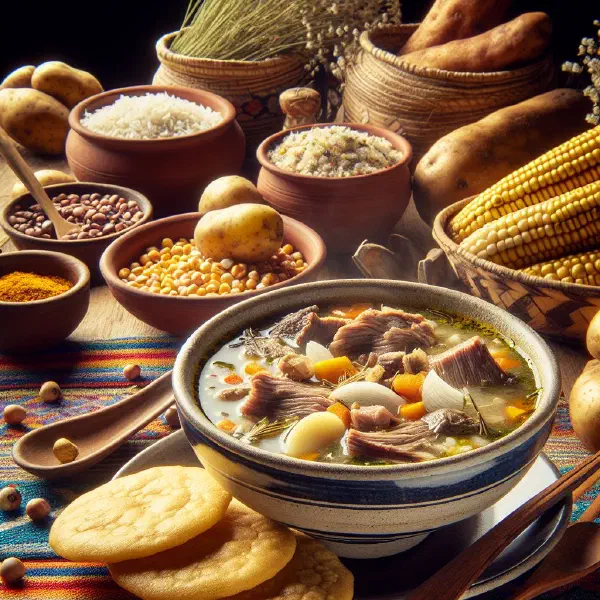
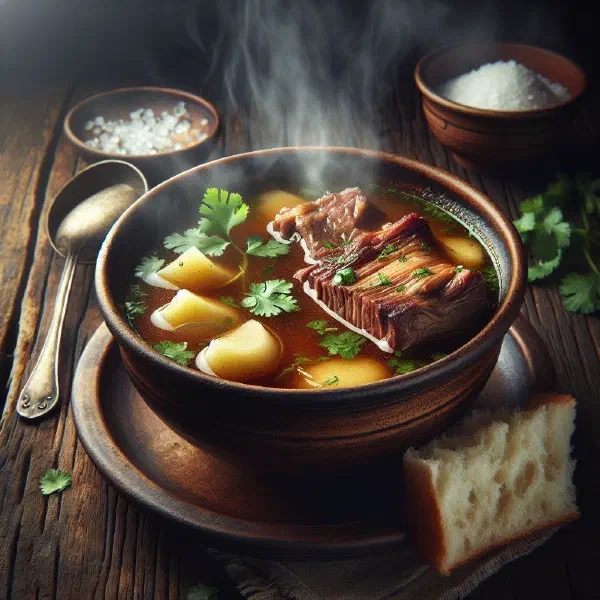
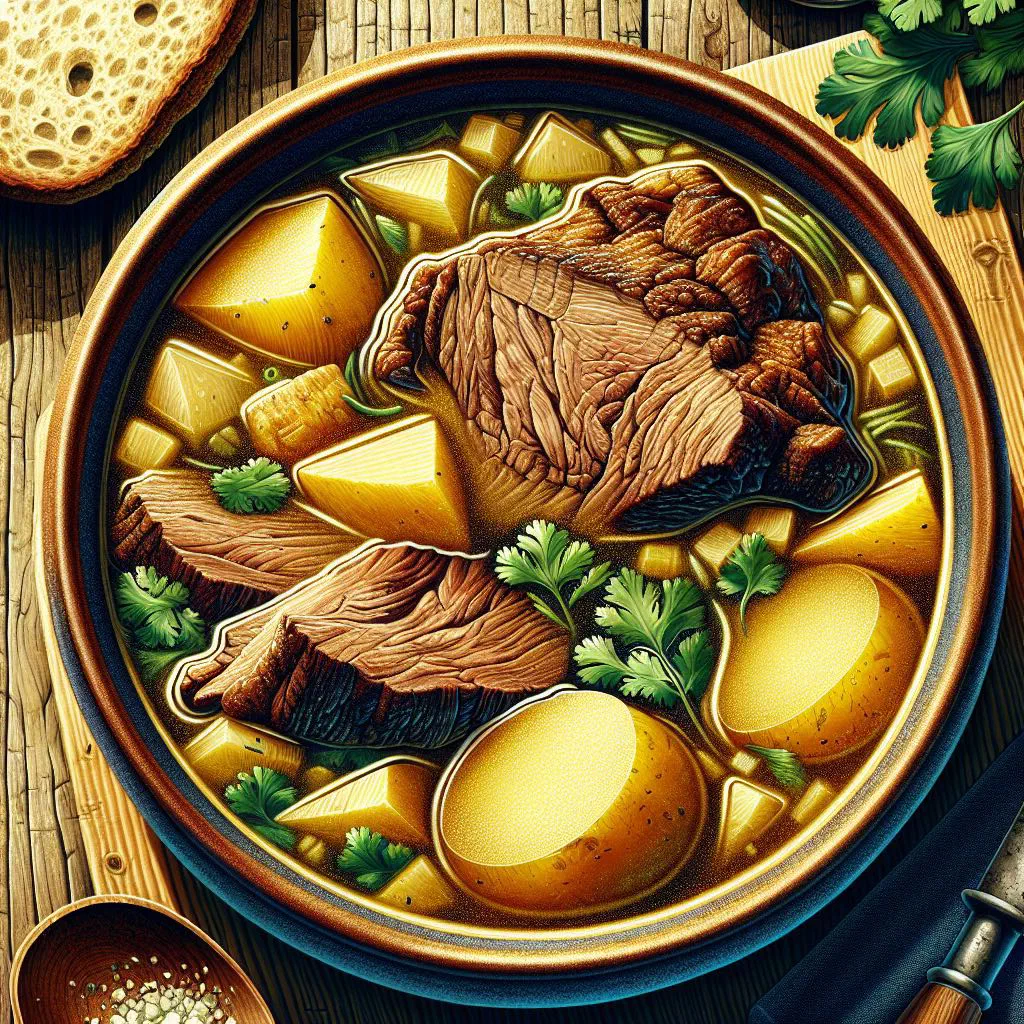
Warm, nourishing and deeply comforting, Caldo de Costilla is far more than a simple broth. It is a cherished slice of Colombian life served in a bowl. Traditionally eaten as a hearty breakfast, this soothing beef rib soup is famous for restoring body and spirit on chilly mornings. Tender ribs are simmered slowly until their rich flavour infuses the broth, then rounded out with potato, fresh herbs and a squeeze of lime. Bring a taste of the Andean highlands straight to your own kitchen.
About Caldo de Costilla
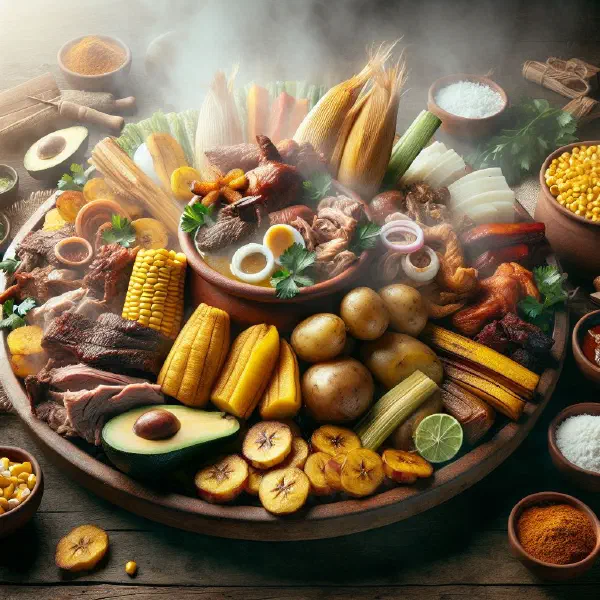
Caldo de Costilla is much more than a beef broth; it is a genuine piece of Colombian culture ladled onto the table. The dish is traditionally enjoyed as a breakfast, offering both a warming meal for cold days and a delicious way to start the morning. It is typically made with tender beef ribs that are simmered for a long time so they release their full flavour into the broth. Finished with fresh herbs and vegetables, the result is an aroma that appeals to the palate and the senses alike. This kind of slow-cooked comfort sits right at the heart of Colombian home cooking, much like a good Sancocho.
Ingredients (serves 1–2)
- 500 g beef ribs
- 2 litres water
- 1 onion, diced
- 2 cloves garlic, chopped
- 2 potatoes, diced
- 1 carrot, sliced
- Fresh coriander leaves
- Salt and pepper to taste
- 1 lime (to serve)
Shopping for the ingredients
To make an authentic caldo de costilla, it is important to choose the right ingredients. Visit your local supermarket or a mixed market to find fresh vegetables and good-quality ribs. Look for beef that is nicely marbled, as this improves both the flavour and the texture of the dish. Fresh herbs such as coriander are a must, too, since they give the soup its distinctive, unmistakable note.
Preparing the dish
Preparing caldo de costilla is straightforward, though it does take a little time to let the flavours develop fully. Start by rinsing the beef ribs well and cutting them into pieces. Sauté the onion and garlic together in a large pot to build the base for the broth. While the onion turns translucent, you can already get the other ingredients ready, the potatoes and carrot, so everything is prepared for the cooking stage.
Step-by-step instructions
- Bring the beef ribs to the boil in a large pot of water.
- Add the onion and garlic and let everything simmer for about 10 minutes.
- Add the potatoes and carrot to the pot and cook for a further 30 minutes.
- Season with salt and pepper and stir in the fresh coriander.
- Taste the broth and adjust the seasoning as needed.
Gluten-free / lactose-free version
Caldo de Costilla is naturally gluten-free and lactose-free, which makes it a wonderful option for anyone with those intolerances. To be sure no contaminating ingredients slip in, check all your seasonings and other components for possible sources of gluten. When making the dish, it is worth taking care that every product used meets the relevant dietary requirements.
Tips for vegans and vegetarians
Although caldo de costilla is traditionally made with beef, you can easily create vegan or vegetarian versions. Instead of beef, use a vegetable stock as the base and swap in red lentils or chickpeas, which deliver a protein-rich boost. A mix of mushrooms and root vegetables brings a hearty, umami-rich depth to the bowl. Be sure to adjust the herbs and spices too, so the flavours are perfectly balanced.
More tips and tricks
To get the very best flavour from your caldo de costilla, try letting the broth rest overnight. This intensifies the aromas and makes the dish even more delicious. Another option is to add a few kernels of corn while cooking, which lends a subtle sweetness. You can also experiment with different herbs to give the soup a personal touch of your own.
Adapting the recipe to your taste
Every recipe can be adjusted to suit your own preferences and tastes. Feel free to add extra vegetables such as celery or peppers to vary the flavours. The blend of seasonings can be changed to match your personal palate as well. If you like a bit of heat, add chillies or offer a spicy sauce on the side when serving.
Ingredient substitutions
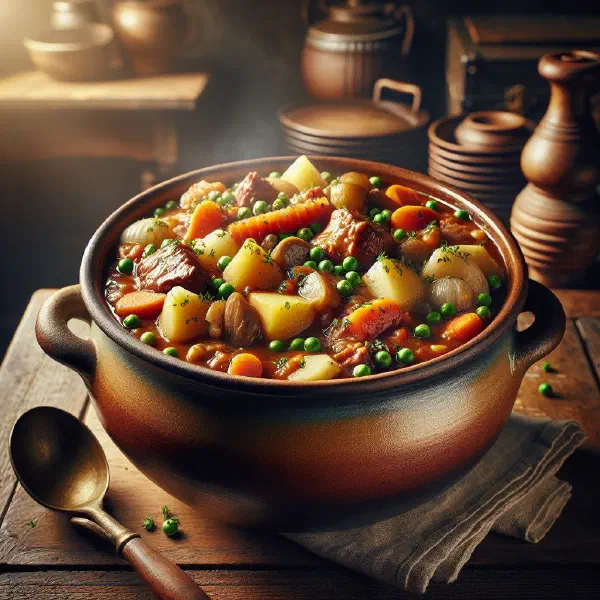
If you do not have every ingredient to hand, there are plenty of alternatives you can use. In place of beef ribs, you might use other cuts of beef or even chicken. Choosing seasonal vegetables adds freshness and supports sustainability. Beyond that, you can experiment with the herbs and vary them according to what is available through the year, the same flexible spirit that shines in a bowl of Ajiaco or a rich Mondongo.
Drink pairing ideas
Many different drinks pair well with a delicious caldo de costilla. A classic choice is a fresh, cool soft drink such as lemonade, which refreshes beautifully. For a more festive occasion, you could serve a gluten-free beer or a light red wine, both of which harmonise nicely with the hearty flavour of the dish. Water with a splash of lime or lemon is also an excellent choice for underlining the aromas, as is a warming Aguapanela con Limón.
Serving and presentation ideas
An attractive presentation of caldo de costilla enhances the whole eating experience. Serve the broth in traditional clay pots or deep, rustic bowls. Garnish with freshly chopped coriander and a slice of lime for a splash of colour. For a festive buffet, portion it into small bowls so guests can build their own caldo, adding extra ingredients to taste.
A bit of history
Caldo de Costilla has its roots deep in Colombian cuisine. The dish is often linked to the country’s traditional breakfast habits and symbolises the importance of family and community. The broth is frequently served at family gatherings or on special occasions, and it is treasured for its cosy, satisfying character. Historically, many of its ingredients came from local farming, which also makes the dish a symbol of regional identity and nourishment. It sits comfortably alongside other beloved classics of Colombian cuisine such as Changua.
More recipe ideas
Summary: Caldo de Costilla
In summary, caldo de costilla is a real highlight of Colombian cuisine, winning hearts through simple ingredients and a rich, lovingly made preparation. This dish brings together flavour and tradition. With a few adjustments, vegans, vegetarians and food lovers alike can enjoy a delicious version of the recipe. Let the aromas draw you in and rediscover the joy of cooking and sharing a good meal.