National Dish Colombia: Cuchuco de Trigo (Recipe)
In this article
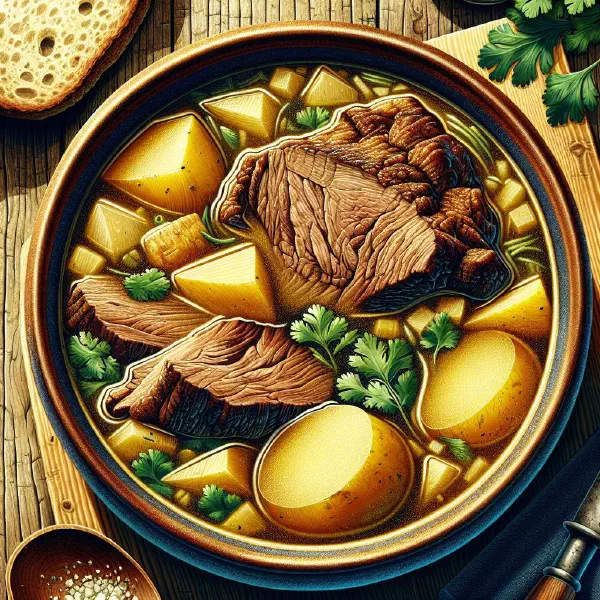
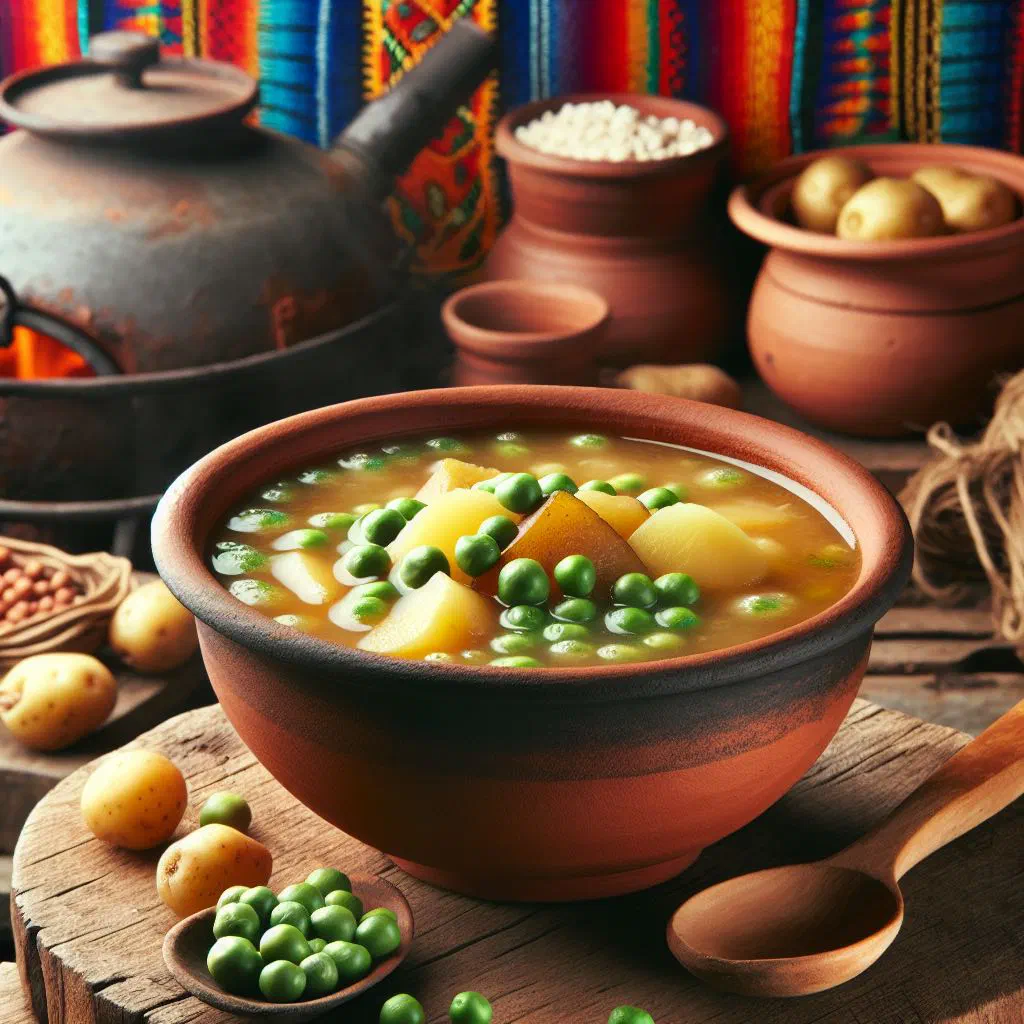
Warm and deeply nourishing, Cuchuco de Trigo is one of Colombia’s most comforting cold-weather dishes. Born in the chilly heights of the Andes, this rustic soup brings together cracked wheat, tender meat and a medley of hearty vegetables in a single, satisfying pot. It is the kind of meal that gathers a whole family around the table, filling the kitchen with the earthy aromas of the highlands. Simple, generous and full of tradition, it is a taste of Colombian home cooking at its finest.
About Cuchuco de Trigo
Cuchuco de Trigo is more than just a meal; it is a piece of Colombian heritage. Made from cracked wheat, an assortment of vegetables and a traditional cut of meat, it offers a distinctive and satisfying flavour. This dish is often prepared in large pots and served on special occasions, which makes it a true communal dish. It reflects the bounty of the land and the deep connection between the people of the Andes and their region. Like a good Sopa de Costilla, it is proof of how a handful of humble ingredients can become something genuinely special.
Ingredients (serves 1–2)
- 100 g cracked wheat
- 200 g pork on the bone (espinazo), or an alternative
- 1 carrot
- 1 onion
- 1 stick of celery
- 2 cloves of garlic
- 1 litre of water or stock
- Salt and pepper, to taste
- Fresh herbs, to garnish
Shopping for the ingredients
To make cuchuco de trigo you will want fresh ingredients, ideally sourced locally. Many of these, such as cracked wheat and a suitable cut of pork, are easy to find in Latin American grocery shops. If the traditional bone-in pork is not available, you can also use chicken or beef as an alternative. Be sure to pick out fresh vegetables too, so you draw out the very best flavour from the finished soup.
Preparing the dish
Preparing cuchuco de trigo is straightforward, though it calls for a little time and patience. Begin by peeling the vegetables and cutting them into small pieces so they cook evenly. The meat should also be washed well and portioned into pieces. If you do not have fresh herbs, dried ones can be used instead, but add them sparingly so they do not overpower the other flavours.
Step-by-step instructions
- Bring the water or stock to the boil in a large pot.
- Add the meat and let it cook for a few minutes.
- Add the prepared vegetables, the onion and the garlic.
- After about 15 minutes, sprinkle in the cracked wheat while stirring.
- Season with salt and pepper, then leave to simmer for a further 10 minutes.
- Garnish with fresh herbs before serving.
Gluten-free / lactose-free version
If you are looking for a gluten-free or lactose-free version, you can replace the cracked wheat with quinoa or cornmeal. These alternatives offer a similar texture and are ideal for anyone with an intolerance. Use a vegetable stock without any dairy products to make sure the dish stays lactose-free. Feel free to experiment with different vegetables for a range of flavour experiences.
Tips for vegans and vegetarians
For a vegan version of cuchuco de trigo, simply leave out the meat or replace it with tofu or seitan. These plant-based options add protein while keeping the soup’s hearty character intact. Take care to swap in a good-quality vegetable stock in place of the meat broth. The cracked wheat itself is naturally vegan, which makes this dish an excellent choice for plant-based diets.
More tips and tricks
An important tip when making cuchuco de trigo is to season the broth slowly, building up a full, rounded flavour. Herbs such as coriander or thyme complement the dish beautifully and are best added fresh. The soup also benefits from a long, gentle cooking time, which deepens the flavours further. Just remember to stir regularly so nothing catches and burns on the bottom of the pot.
Adapting the recipe to your taste
You can adapt this recipe to your own liking by adding different vegetables or spices. Courgette, aubergine or even potatoes can lend the dish an interesting new note. You might also turn up the heat with a pinch of red chilli flakes if you prefer a little more spice. The flexibility of the recipe means anyone can create their own personalised bowl. It is the same spirit of hearty, warming cooking you find in a classic Mondongo.
Ingredient substitutions
If you do not have certain ingredients to hand, there is always an alternative. Instead of the traditional bone-in pork you can use chicken, pork or even mixed beans for a protein-rich version. Likewise, the cracked wheat can be replaced with cornmeal to create a different texture.
Drink pairing ideas
A number of drinks pair well with cuchuco de trigo and complement its flavours. A fresh, fruity juice such as granadilla or mango juice harmonises nicely with the savoury notes. For those who prefer something else, a cold beer or a refreshing herb-laced mocktail works well. These combinations turn the meal into a truly special occasion.
Serving and presentation ideas
The way you present cuchuco de trigo can impress your guests and lift the whole dining experience. Serve the soup in attractive bowls and garnish generously with fresh herbs. Colourful vegetables give the dish an inviting look, and a little care with the plating raises the culinary experience. Be sure to use fresh ingredients so the colours stay bright and lively.
A bit of history
Cuchuco de trigo has its roots in the Colombian Andean region, where its ingredients were traditionally close at hand. The dish is a fine example of how Colombian cuisine turns local produce into something delicious, and it belongs to the same warming tradition as a good Puchero Santafereño. It is often prepared in the higher altitudes, where the temperatures are cooler and people need nourishing meals. Dishes like this help keep the country’s culture and traditions alive. To explore more of this rich culinary world, take a look at the wider world of Colombian cuisine.
More recipe ideas
Summary: Cuchuco de Trigo
In short, cuchuco de trigo is a nourishing and hearty dish that no Colombian kitchen should be without. It offers a deep insight into local culture and brings family and friends together around the table. With its versatility and its adaptable ingredients, it is ideal for anyone keen to discover new flavours. Try preparing this traditional dish and let the aromas of the Andes work their magic on you.