National Dish Colombia: Lechona (Recipe)
In this article
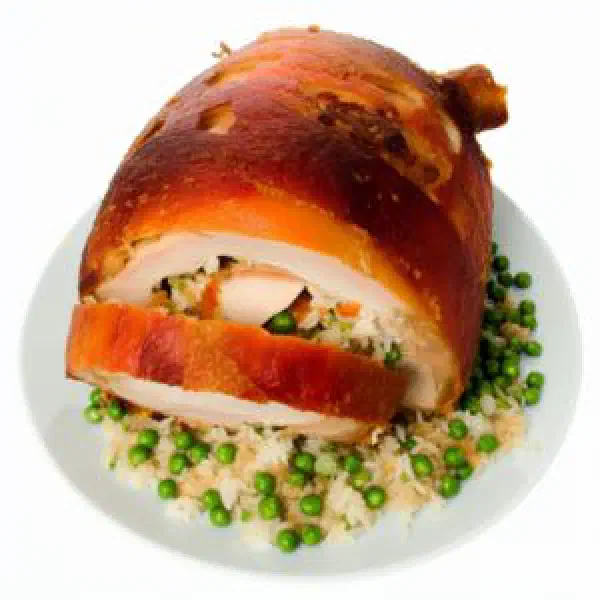
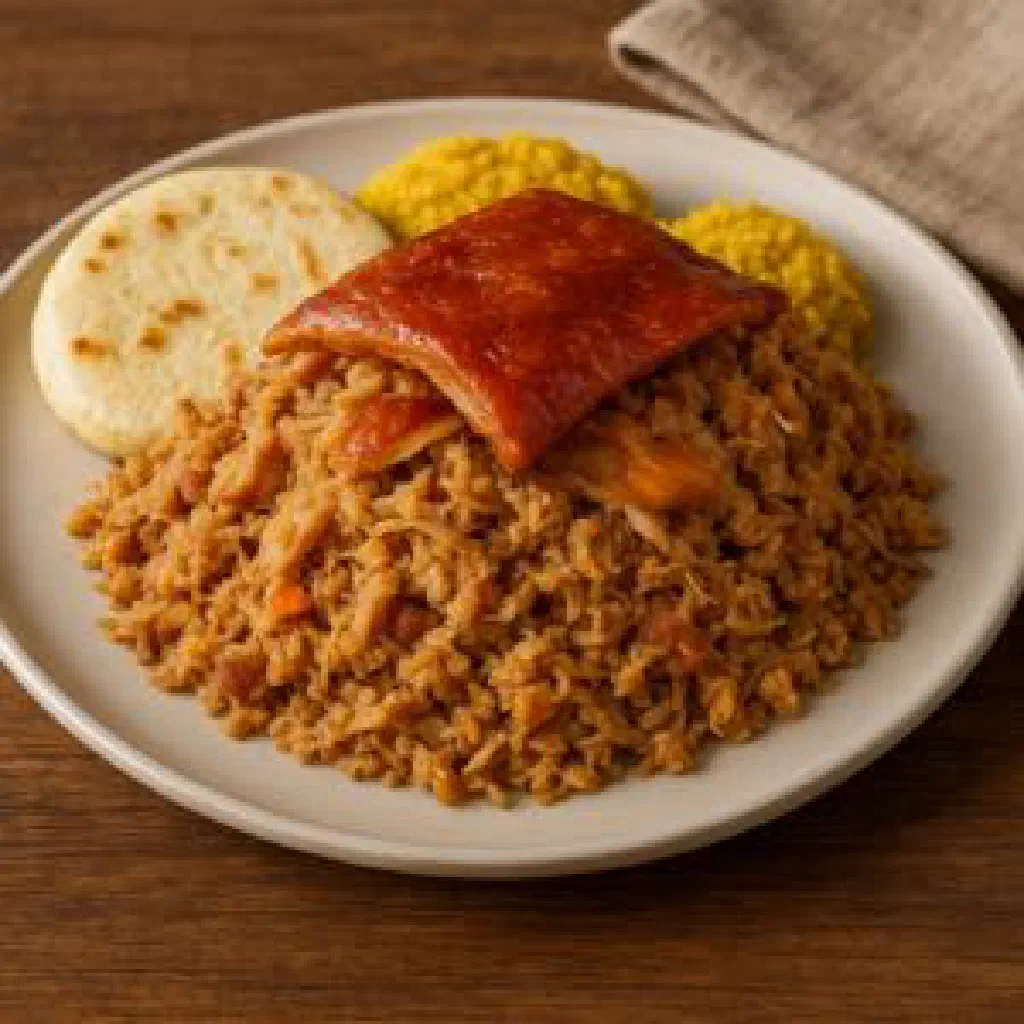
Meet Lechona, one of Colombia’s most beloved festive dishes. This magnificent roast of tender pork is stuffed with seasoned rice, sweet peas and warming spices, then slow-cooked until the skin turns crisp and golden. Traditionally the centrepiece at Christmas, weddings and other celebrations, it fills the table with the flavours and the warm hospitality of Colombia. Bring a little of that festive magic into your own kitchen.
About Lechona
Lechona is far more than a meal; it is a feast for the senses and a proud symbol of Colombian culture. This traditional dish is built around a stuffed suckling pig and is served in countless homes to mark special occasions. The filling is a delicious blend of seasoned rice, peas, onions and tender pork, all coming together to create an unmistakable flavour. At every celebration, whether Christmas, a wedding or another festivity, lechona is a much-loved highlight on the table.
Ingredients (serves 1–2)
- 1 kg suckling pig
- 250 g rice
- 100 g peas
- 1 large onion, chopped
- 2 cloves garlic, chopped
- 1 tsp cumin
- Salt and pepper to taste
- Olive oil
Shopping for the ingredients
To prepare a wonderful lechona, it is important to have the right ingredients to hand. Visit a good local butcher to source a quality suckling pig. The other ingredients, such as rice, peas and spices, are usually available in any supermarket. Fresh produce is especially valuable here, as it noticeably improves the flavour of the finished dish.
Preparing the dish
Before the cooking begins, thorough preparation is essential. Start by washing and marinating the suckling pig so the flavours have time to work their way through the meat. Meanwhile, you can get on with the filling of rice, peas, onions and spices. Remember to mix everything carefully so the seasoning is evenly distributed throughout.
Step-by-step instructions
- Clean the suckling pig thoroughly and rub the inside with salt, pepper and cumin.
- Cook the rice in a pan and combine it with the peas and onions.
- Spoon the filling into the suckling pig and either sew it up carefully or tie it with kitchen string.
- Place the suckling pig in the oven and roast at 180°C for around 4–5 hours, until golden brown.
- Let it rest for about 15 minutes before serving so the flavours can settle.
Gluten-free / lactose-free version
Lechona is easy to prepare gluten-free and lactose-free. Simply make sure the rice you choose contains no gluten and that all the spices are gluten-free too. For a lactose-free version, reach straight for plain vegetable oils rather than butter or dairy products.
Tips for vegans and vegetarians
There are creative ways to adapt the idea of lechona for vegans and vegetarians. Instead of a suckling pig you might use a large vegetable together with plant-based proteins such as lentils or seitan. These fillings can be enriched with spices and fresh herbs to echo the traditional flavour, so that non-meat-eaters can enjoy a similar culinary experience.
More tips and tricks
To make your lechona even more delicious, try out different spice combinations. A mix of smoked paprika and cinnamon can develop the flavour in an uniquely aromatic way. Make sure the meat is basted occasionally with its own juices during roasting to keep it juicy. Finally, that resting moment after cooking is essential to let the aromas shine.
Adapting the recipe to your taste
The flexibility of lechona lets you vary the ingredients to suit your own taste and preferences. You can fold different vegetables into the filling, carrots or peppers, for instance, for more colour and flavour. The pork can also be swapped for chicken or turkey for a slightly different version. Experiment with fresh herbs to give the dish a personal touch, much as you might with a hearty Fritanga.
Ingredient substitutions
If you struggle to find certain ingredients, there are several alternatives you can turn to. Sweetcorn, for example, can be used in place of peas to add a hint of sweetness. Rice is not strictly necessary either; quinoa or even couscous can serve as healthy and tasty alternatives. You can likewise adjust the spices to reflect your own regional flavour.
Drink pairing ideas
The choice of drinks can greatly enrich the culinary experience of lechona. Traditional Colombian drinks such as aguardiente or fruit cocktails pair wonderfully with this dish. A refreshing lemonade made from fresh limes or a mango juice blend helps to soften the savoury aroma. For wine lovers, a lightly chilled red harmonises beautifully with the flavour of the meat.
Serving and presentation ideas
Presentation is an important part of any feast, lechona included. Serve the dish straight from the roasting pan for a rustic, inviting look. Decorate it with fresh herbs such as parsley or coriander for a splash of colour. Extra sides such as avocado or tomato salads can be arranged attractively around the main dish to create a harmonious overall picture, in the generous spirit of Colombian cuisine.
A bit of history
The origins of lechona reach far back into Colombian history and reveal the importance of festive cooking within the culture. Over time, this dish has grown from a rural delicacy into a symbol of Colombian celebration. Historically, lechona was often prepared by the traditional local butchers and is deeply woven into festivities and family traditions. Today it remains an important part of many celebrations and embodies the warm hospitality of the Colombian people, a hospitality it shares with the beloved Sancocho.
More recipe ideas
Summary: Lechona
In short, lechona is a cultural experience that embodies both tradition and innovation. With its distinctive preparation and rich flavour, it brings joy to any table. This dish is an excellent choice. Discover the flavours and the warm hospitality of Colombia with every single bite.