National Dish Colombia: Pandebono (Recipe)
In this article
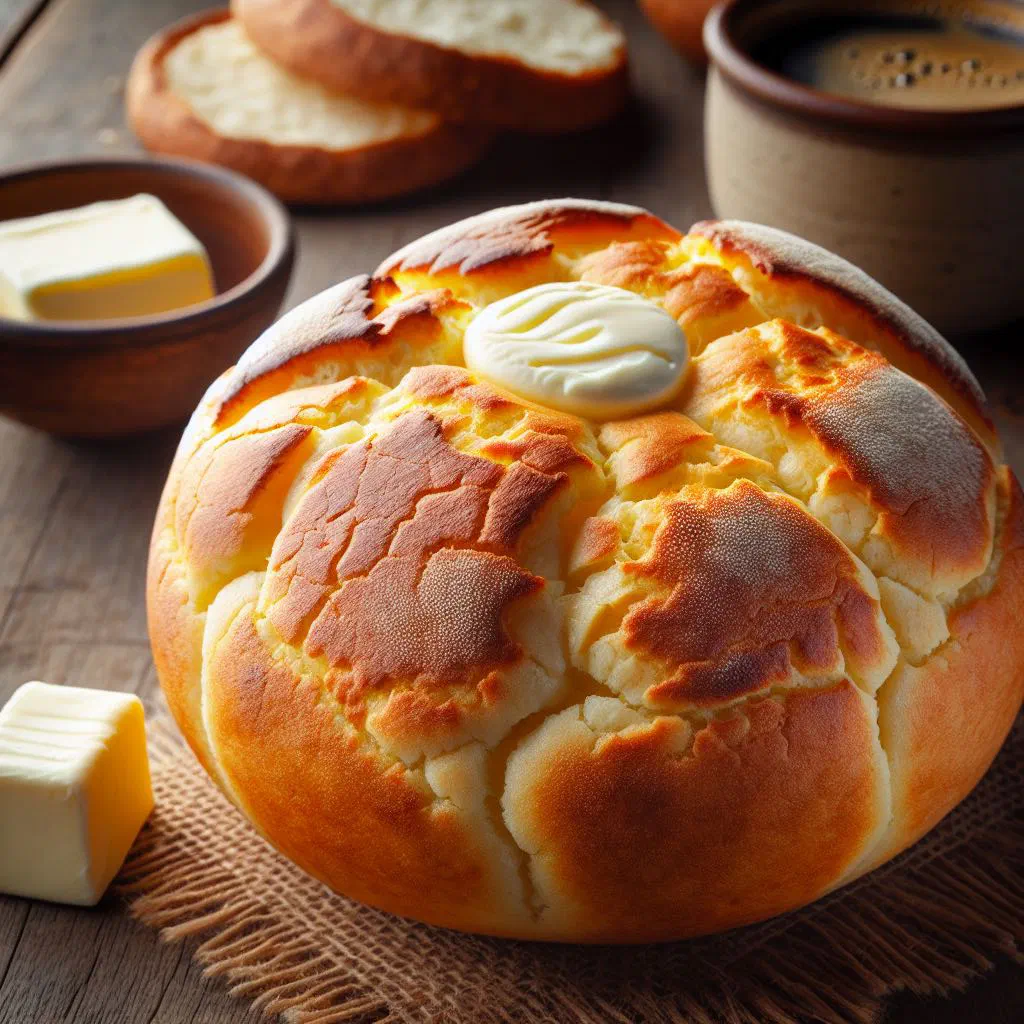
Meet Pandebono, one of Colombia’s best-loved baked treats. These little cheese breads boast a golden, crackly crust wrapped around a soft, airy centre that practically melts in the mouth. Beloved across the Valle del Cauca and enjoyed nationwide for breakfast or as an afternoon snack, they strike a perfect balance between the savoury tang of fresh cheese and the gentle sweetness of cornmeal. Best of all, they come together with just a handful of ingredients.
About Pandebono
Pandebono is a much-loved Colombian bake made from a simple mixture of cornmeal, cheese and eggs. It is especially popular in the Valle del Cauca region, where it is a staple at breakfast tables and a favourite mid-morning snack. What makes this bread so special is the contrast between its crisp outer shell and its soft, fluffy interior. The savoury flavour of the cheese blends beautifully with the subtle sweetness of the cornmeal, creating a wonderfully harmonious mouthful every time.
Ingredients (serves 1–2)
- 200 g cornmeal
- 100 g fresh grated cheese (such as queso fresco)
- 1 egg
- 100 ml water
- 1 tsp baking powder
- 1 pinch of salt
Shopping for the ingredients
When shopping for pandebono, it is worth seeking out fresh ingredients to get the best result. The cornmeal is the most important element, as it gives the bread its distinctive texture. You can find suitable cheese in many supermarkets, but look for a fresh, well-melting variety to achieve the ideal finish. The egg should be fresh too, to guarantee the perfect consistency once everything is combined.
Preparing the dish
Preparing pandebono is refreshingly straightforward and takes only a few steps. Start by gathering all the ingredients before you begin, so everything is within reach. It is important to preheat the oven to the correct temperature to ensure even baking. Don’t forget to lightly grease the baking tray so the finished pandebonos lift away cleanly once they are done.
Step-by-step instructions
- Preheat the oven to 200°C.
- In a bowl, combine the cornmeal, the baking powder and the salt.
- Add the grated cheese and mix well.
- Gradually work in the egg and the water until you have a smooth dough.
- Shape the dough into small balls and arrange them on a baking tray.
- Bake the pandebonos in the preheated oven for around 20 minutes, until golden brown.
- Let them cool briefly after baking and serve warm.
Gluten-free / lactose-free version
If you would like to make pandebono gluten-free, use a certified gluten-free cornmeal, widely available from health-food shops and organic stores. For a lactose-free version, opt for a lactose-free cheese. There are now many plant-based cheese alternatives that offer a similar texture and taste. Just be sure to check that the remaining ingredients are also free from gluten and lactose so everyone can enjoy them safely.
Tips for vegans and vegetarians
For a vegan take on pandebono, swap the egg for a plant-based egg replacer such as ground flaxseed or chia seeds mixed with water. There are also plenty of plant-based cheeses that work well in place of the traditional variety. Make sure the rest of your ingredients are free from animal products, and don’t be afraid to experiment with different combinations to find the ideal texture and flavour.
More tips and tricks
If you want to take your pandebono even further, try different cheese varieties to discover new flavour notes. Some bakers like to add spices or herbs to lend the dough a distinctive character, fresh herbs such as chives or parsley can bring a lovely, refreshing lift. Playing with the baking time can also produce different textures, so you can fine-tune the bread to suit exactly how you like it.
Adapting the recipe to your taste
The pandebono recipe is easy to tailor to your own preferences. If you fancy a sweeter version, stir in a little sugar or honey. You can also change the texture of the dough by adding a spoonful of yoghurt or soured cream. For those who prefer things more savoury, fried onions or peppers make excellent additions. Adjust the ingredients freely to land on the perfect combination for your palate.
Ingredient substitutions
If you don’t have every ingredient to hand, a few swaps work nicely. Soft cheese can be used instead of a firmer cheese to achieve a creamier texture, much like the melting cheese that gives Almojábana Cake its tender crumb. In place of water, you can also use milk to make the bread a touch richer. Experiment with the recipe to develop your own favourite version and have fun in the kitchen.
Drink pairing ideas
Pandebono is superb as a snack or breakfast and pairs wonderfully with a range of drinks. A fresh tropical fruit juice is a great choice for complementing the flavours, a glass of Lulo Juice or a scoop of chilled Salpicón both make lovely partners. A warming drink such as broth or coffee works beautifully too. Depending on the time of day, choose whatever best suits your mood and the occasion.
Serving and presentation ideas
To present your pandebono attractively, arrange it on a handsome plate and garnish with a little fresh fruit. Mint leaves or a drizzle of sauce can add an appealing splash of colour and flavour. Remember that we eat with our eyes first, so a creative arrangement makes the meal all the more enjoyable. Serving the breads warm, straight from the oven, brings out that extra burst of aroma.
A bit of history
Pandebono has its roots deep in Colombian cuisine and looks back on a long tradition. The dish is thought to have been shaped first by the country’s indigenous peoples and later by Spanish colonists. The use of maize and cheese is typical of the local gastronomy, which is rich in flavour and variety. Today pandebono is popular not only in Colombia but around the world, and it is often served in restaurants and cafés as a taste of authentic Colombian cuisine.
More recipe ideas
Summary: Pandebono
In short, pandebono is a beloved and delicious bake from Colombia that is ideal as a snack or breakfast. With its crisp outer crust and soft, airy interior, it is a genuine treat. Its simple preparation and the ease with which it can be customised make it an excellent choice for any occasion. Give this recipe a try and discover the flavours of Colombian cooking for yourself.