National Dish Congo: Fufu (Recipe)
In this article
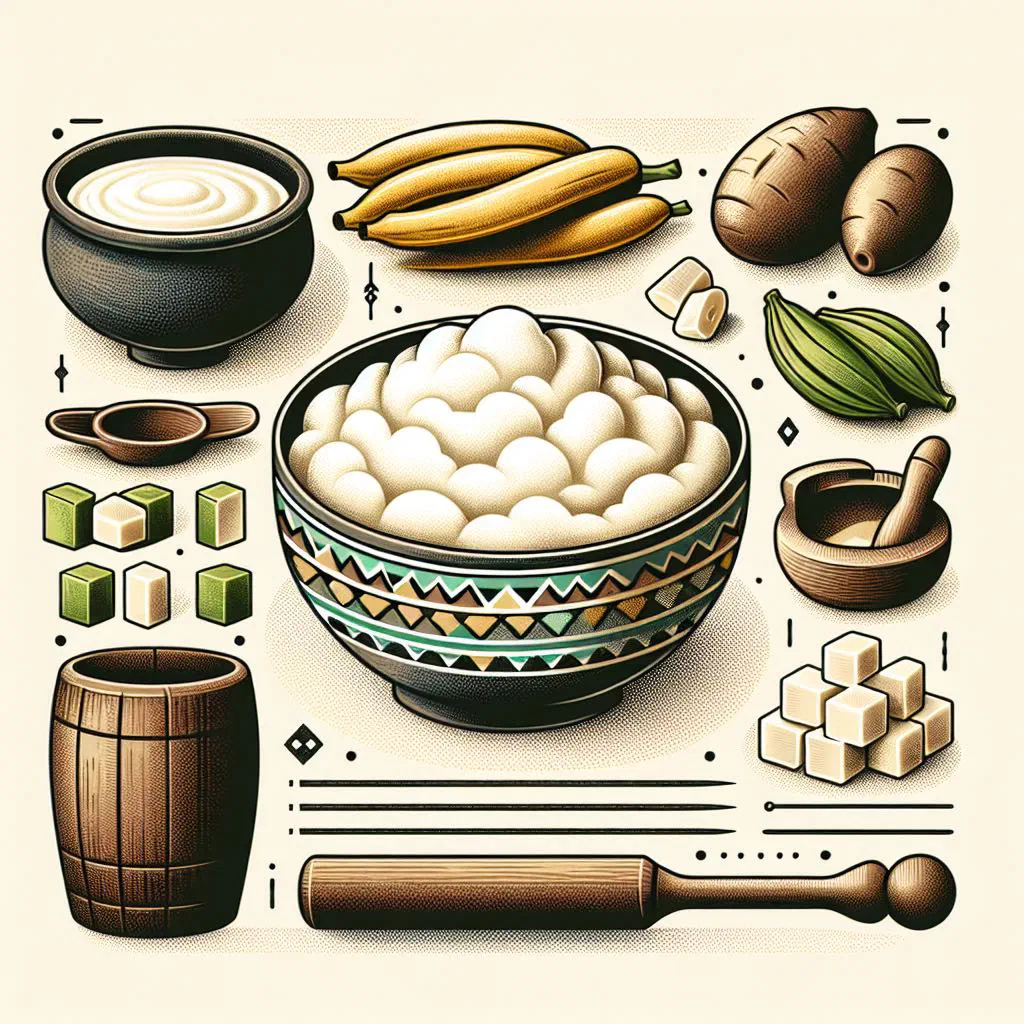
Meet Fufu, the soft, pillowy staple that sits at the heart of the Congolese table. Made from little more than cassava or cornmeal and water, it is pounded to a smooth, stretchy dough that is scooped up by hand and dipped into rich stews and sauces. More than a side dish, fufu is a symbol of togetherness, shared from a communal bowl and enjoyed in good company. Bring a taste of Central Africa into your own kitchen with this simple, satisfying classic.
About Fufu
Fufu is a traditional dish rooted in the rich culinary heritage of Africa, and especially of the Congo. It is made chiefly from pounded cassava root or cornmeal, and is prized for its distinctive, sticky texture. Fufu makes an excellent accompaniment, pairing beautifully with a wide variety of hearty stews and sauces. It is also a symbol of Congolese culture, often enjoyed in company, which makes it an important part of communal eating rituals.
Ingredients (serves 1–2)
- 500 g cassava, or 250 g cornmeal
- Water (as needed)
- A pinch of salt
Shopping for the ingredients
If you want to prepare fufu properly, it is worth choosing good-quality ingredients. Visit an African or Asian market to find fresh cassava. Cornmeal is readily available in most supermarkets, though take care to pick a variety suited to making fufu. Don’t forget a good salt as well, to bring out the flavour of the finished dish.
Preparing the dish
Before you start making Fufu, peel the cassava thoroughly and cut it into small pieces. If you are using cornmeal instead, be sure to measure it out carefully. To achieve the best possible texture, have a suitable mortar and pestle or a food processor ready to hand. Good preparation ensures the end result is smooth, even and delicious.
Step-by-step instructions
- Put the peeled cassava pieces into a pan of water and bring to the boil.
- Cook until soft, around 20–30 minutes.
- Drain the cassava and tip it into a bowl.
- Pound the cassava with a mortar and pestle or a food processor into a smooth, sticky dough.
- Add a pinch of salt to taste and mix well.
- Shape the fufu into small portions and serve warm.
Gluten-free / lactose-free version
Fufu is naturally gluten-free, as it is made mostly from cassava or cornmeal. This makes it a superb choice for anyone with a gluten intolerance or coeliac disease. The recipe also contains no dairy, so it is perfectly suited to those who are sensitive to lactose. Just be sure to keep any accompanying sauces gluten-free too when you build a full meal around your fufu.
Tips for vegans and vegetarians
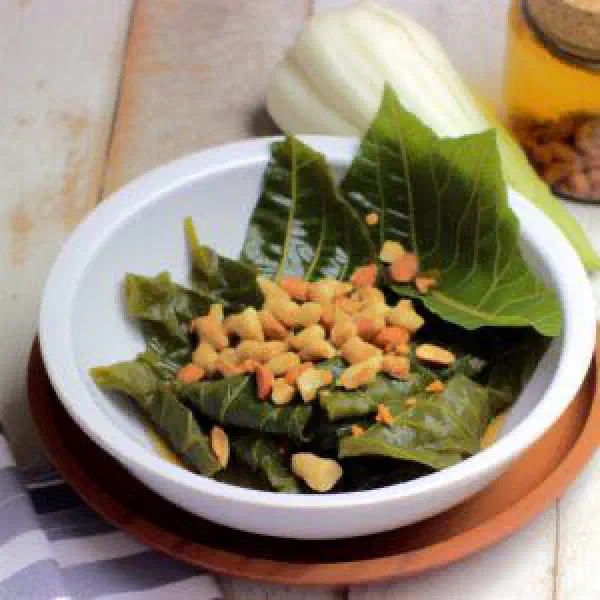
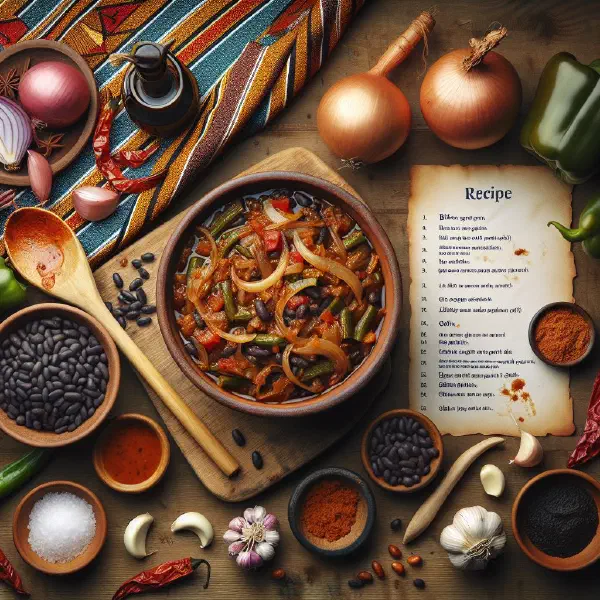
For vegans and vegetarians, fufu is an ideal base, since it is entirely plant-based and pairs wonderfully with a wide range of vegetable and pulse dishes. Serve it with plant-based vegetable stews or sauces to create a tasty, nourishing meal. A hearty Madesu bean stew or the leafy Pondu both make excellent meat-free partners. Just make sure to avoid animal stocks or products so the dish stays fully vegan, and be creative with your sauces to enrich the flavour.
More tips and tricks
Fufu can be prepared in several ways to achieve different textures and tastes. Experiment with the consistency by adding more or less water to suit your preference. You can also try other kinds of flour to give the dish a slightly different character. Take care to make fufu fresh, as it tastes best when served warm.
Adapting the recipe to your taste
Fufu is extremely versatile and easy to adapt to personal preference. If you want a more pronounced flavour, you can work spices or herbs straight into the dough. You can also combine it with different side dishes to discover new flavour pairings.
Ingredient substitutions
If you can’t find cassava, there are a few alternatives worth considering. Yucca, for example, has very similar properties and works well as a stand-in. When it comes to cornmeal, there are also different varieties, such as polenta, that can give a comparable result. The same cassava that stars here is also the backbone of Chikwangue, so it is worth exploring your options to give your cooking a creative twist.
Drink pairing ideas
Plenty of drinks work well alongside Fufu and round out the meal nicely. A classic Congolese palm wine, or fruit juices such as mango or pineapple, pair beautifully. If you prefer a non-alcoholic option, refreshing choices like ginger beer or hibiscus tea also suit the dish well. Choose whatever best fits the occasion and your own taste to complete the meal.
Serving and presentation ideas
The presentation of Fufu can lift the whole dining experience considerably. Serve the fufu in a lovely bowl to make it look appealing. You can also use fresh herbs or vegetables as a garnish to bring colour to the plate. We eat with our eyes first, so take a little care to arrange everything in an appetising way.
A bit of history
Fufu has a long culinary history that is woven into many African cultures. It is traditionally prepared according to the produce and customs of each country and region. In the Congo, fufu is a nourishing accompaniment and carries deep cultural meaning, fostering a sense of community around the table. Traditions surrounding fufu often involve sharing the dish together, which strengthens social bonds, a spirit you will find running right through Congolese cuisine.
More recipe ideas
Summary: Fufu
Fufu is a delicious and nourishing dish that plays an important role in both Congolese culture and African cuisine more broadly. With its simple preparation and its versatility alongside all manner of sauces and stews, it is perfect for any occasion. Vegetarian or gluten-free, fufu adapts with ease and offers endless room for creativity. Give this fascinating dish a try and bring a piece of Congolese tradition into your own kitchen.