National Dish Congo: Liboke ya Mbika (Recipe)
In this article
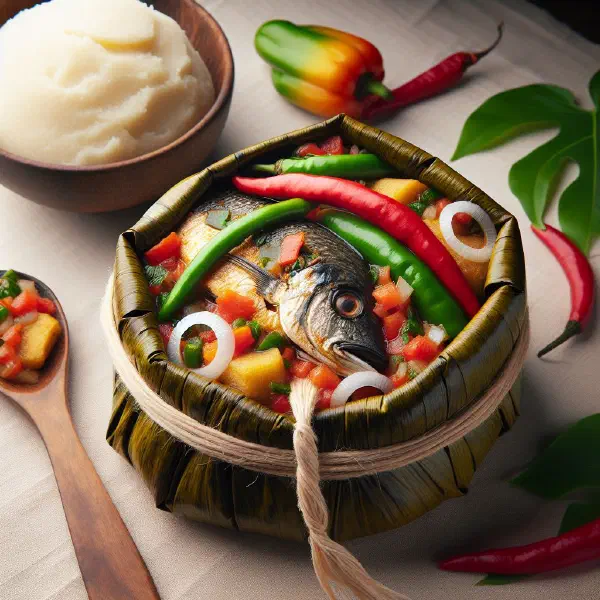
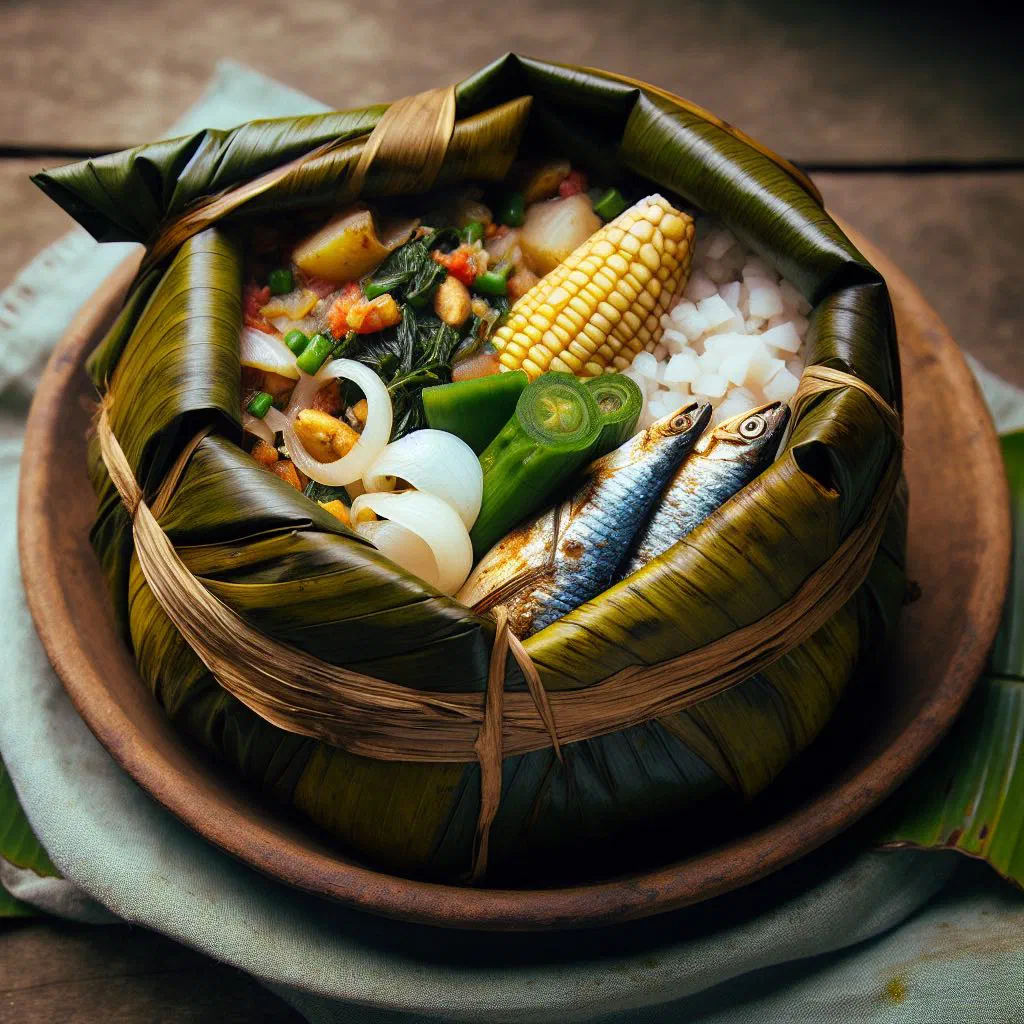
Discover Liboke ya Mbika, a treasured dish from the Democratic Republic of the Congo that appeals to the palate and the senses alike. Freshly caught fish is wrapped with fragrant spices and crisp vegetables in banana leaves, then gently steamed until every flavour blends into one. The result is a wonderfully aromatic parcel that carries the warmth and generosity of Congolese cooking straight to your table.
About Liboke ya Mbika
Liboke ya Mbika is a dish steeped in tradition, cherished throughout the Democratic Republic of the Congo as a feast for both the palate and the senses. At its heart is fish wrapped together with aromatic spices and fresh vegetables in banana leaves and cooked slowly and gently. The steaming allows each ingredient to release its aroma and meld with the others, creating something greater than the sum of its parts. More than simply delicious, this dish is a symbol of the Congo’s rich culinary heritage.
Ingredients (serves 1–2)
- 300 g freshly caught fish (such as tilapia or another white fish)
- 2 banana leaves
- 1 onion, chopped
- 2 cloves of garlic, crushed
- 1 pepper, diced
- 1 tomato, diced
- Juice of 1 lime
- 1 tsp vegetable stock
- Salt and pepper to taste
- Fresh herbs (such as parsley or coriander)
- Optional: chilli for heat
Shopping for the ingredients
The first step towards making Liboke ya Mbika is shopping for the ingredients. Many of the essentials can be found in your local supermarket, while fresh fish may be best sourced from a dedicated fishmonger or a market stall. When buying, make sure the fish is fresh and free of any unpleasant smells. Banana leaves are available in Asian or African grocery shops, and can often be bought frozen if fresh ones are hard to come by.
Preparing the dish
Preparing Liboke ya Mbika involves a few simple steps. Begin by cleaning the banana leaves thoroughly and briefly boiling them in water so they turn soft and pliable. While that happens, clean the fish and cut it into pieces. Wash and dice the vegetables if you have not already, and set out your spices and herbs. These are crucial to the flavour of the finished dish.
Step-by-step instructions
- Marinate the fish with lime juice, salt, pepper and vegetable stock.
- Combine the prepared vegetables — onion, pepper, tomato and garlic — with the fish.
- Lay a piece of banana leaf on a board and place the fish-and-vegetable mixture on top.
- Wrap the banana leaf carefully around the fish and secure it with kitchen string.
- Steam the parcel in a steamer or a large pan with a little water for about 30–40 minutes.
- Once cooked, open the parcel carefully and serve.
Gluten-free / lactose-free version
Liboke ya Mbika is naturally gluten-free and lactose-free. Its core ingredients, fresh fish, vegetables and spices, contain neither gluten nor lactose. If you reach for shop-bought stocks or spice blends, however, do check that they too are free from gluten and lactose. With that small precaution, you can enjoy this dish with complete peace of mind.
Tips for vegans and vegetarians
Although Liboke ya Mbika is traditionally made with fish, vegans and vegetarians can easily create their own version. Swap the fish for plant-based proteins such as tofu or tempeh, or even hearty vegetables like aubergine or courgette. Let your imagination guide you and experiment with different spices and herbs. These adjustments let you tailor the dish to a range of diets without sacrificing its delicious flavour.
More tips and tricks
To get the very best from Liboke ya Mbika, keep a few pointers in mind. Use fresh ingredients wherever you can, as they make a real difference to the taste. Experiment with extra spices such as ginger or cumin for a distinctive note. Steaming is key, so make sure the water is boiling steadily while the parcel cooks, ensuring it cooks through evenly. Let the dish cool slightly before serving to make it easier to handle.
Adapting the recipe to your taste
Adapting Liboke ya Mbika to your own preferences is easy and enjoyable. Try different types of fish, or add extra vegetables to vary the texture and flavour. If you like a little heat, stir in chilli or a splash of hot sauce. You can also play with herbs to reach exactly the taste you are after, much like the aromatic leaf dishes of Congolese cuisine.
Ingredient substitutions
If certain ingredients are hard to find, there are plenty of alternatives for Liboke ya Mbika. Frozen fish can stand in for fresh, though fresh is preferable here. In place of banana leaves you can use aluminium foil, the flavour will be a touch different, but the method stays much the same. With a few simple swaps you can adapt the dish to whatever you have to hand, in the same spirit as a fish parcel like Liboke de Poisson.
Drink pairing ideas
The right drink rounds off the Liboke ya Mbika experience beautifully. A light white wine or a fruity rosé pairs wonderfully with the dish. For alcohol-free options, fresh fruit juices or sparkling water with lemon work well. These accompaniments underline the freshness of the fish and make the meal all the more pleasant.
Serving and presentation ideas
Presentation plays a real part in the overall impression of Liboke ya Mbika. Arrange the banana-leaf parcels attractively on a large plate, scatter fresh herbs over the top and use lime wedges as a garnish. As they say, we eat first with our eyes, and a thoughtful presentation lifts the dish to a new level.
A bit of history
Liboke ya Mbika has its roots in the time-honoured cooking of the Congo and symbolises the deep bond between people and the natural world around them. Built on natural, regional ingredients, it is an authentic part of the region’s cultural heritage. It is often prepared for large celebrations and gatherings, highlighting the social side of eating. Cooking in banana leaves keeps the dish both sustainable and nutritious while preserving its genuine Congolese flavour.
More recipe ideas
Summary: Liboke ya Mbika
In short, Liboke ya Mbika is a wonderful dish that captures the very essence of Congolese cooking. With fresh fish, aromatic spices and its creative preparation in banana leaves, it offers a taste experience like no other. Flavourful meal, the adaptability of this recipe makes it a great choice for any occasion. Let its aromas and its craft inspire you, and enjoy a tour into the heart of the Congo.