National Dish Congo: Pondu (Recipe)
In this article
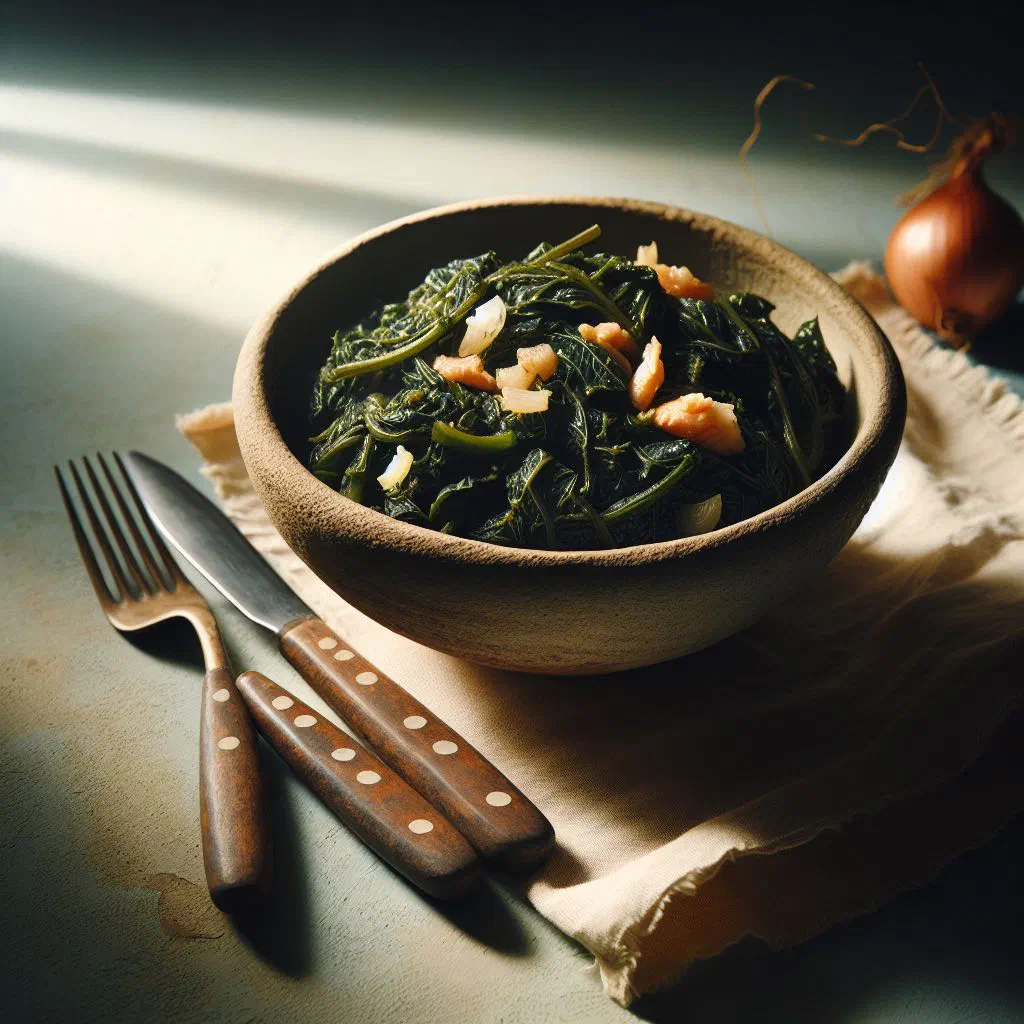
Discover Pondu, one of the Congo’s most cherished dishes. Built around tender, slow-cooked cassava leaves, this comforting speciality is rich in flavour and deeply nourishing. It is traditionally served with a creamy peanut sauce or a piece of freshly cooked fish, which makes it wonderfully versatile and easy to suit different tastes. Warm, hearty and full of character, pondu brings a genuine taste of Central Africa straight to your own kitchen.
About Pondu
Pondu is a traditional Congolese dish made from cooked cassava leaves. This delicious speciality has its roots in the Congo’s home kitchens and reflects the rich culinary tradition of the country. Pondu is often served with a peanut sauce or with fish, which makes it a flexible dish that adapts well to a range of tastes. It is full of flavour and genuinely nourishing, as the cassava leaves are packed with important nutrients.
Ingredients (serves 1–2)
- 250 g cooked cassava leaves
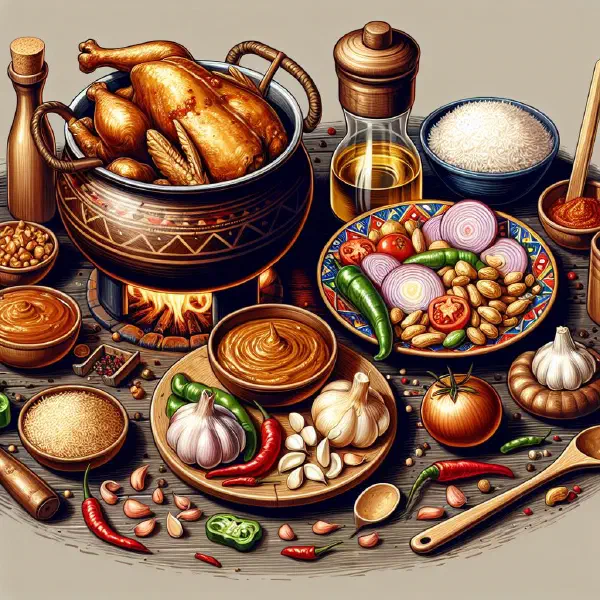
- 2–3 tablespoons peanut butter
- 1 onion, diced
- 2 cloves garlic, finely chopped
- 1–2 fish fillets (such as tilapia)
- Salt and pepper, to taste
- Water or vegetable stock
Shopping for the ingredients
If you would like to make pondu, it is worth tracking down the right ingredients first. Many African and Asian grocers stock fresh cassava leaves, which give the dish its authentic flavour. Alternatively, you can use frozen or dried cassava leaves, both of which are often available at local markets. In addition, the peanuts for the sauce are best freshly ground to bring out a deep, intense flavour.
Preparing the dish
Preparing pondu takes only a few simple steps. First, wash the cassava leaves thoroughly to remove any dirt or grit. Next, finely chop the onions and garlic, and cut the fish fillets into small pieces. This bit of groundwork makes sure every ingredient cooks quickly and evenly once it hits the pan.
Step-by-step instructions
- Sauté the onions and garlic in a pan with a little oil until they turn translucent.
- Add the cooked cassava leaves and stir well to combine.
- Stir in the peanut butter along with a splash of water or stock to reach a creamy consistency.
- Gently fold through the pieces of fish and let everything simmer over medium heat until the fish is cooked through.
- Season with salt and pepper and serve hot.
Gluten-free / lactose-free version
Pondu is naturally gluten-free and lactose-free, which makes it an excellent choice for anyone with intolerances. Just check that the peanut butter you use contains no hidden gluten. The dish can also be made in its simplest form, without any extra ingredients that contain gluten or lactose. Season it with nothing more than spices and fresh herbs and it still shines.
Tips for vegans and vegetarians
For a vegetarian or vegan version of pondu, simply leave out the fish. The dish stays every bit as tasty if you add extra vegetables or some tofu instead. The peanut butter still provides valuable protein, while the cassava leaves are a good source of fibre. You can also finish the dish with a handful of fresh herbs or spices to lift the flavour further.
More tips and tricks
To get the most out of your pondu, experiment with different spices and side dishes. Scattering roasted peanuts over the top, for example, adds extra crunch and flavour. A pinch of chilli or a favourite spice blend can be a great addition too. Play with the consistency by adding more or less liquid until you reach the perfect texture.
Adapting the recipe to your taste
Every cook has their own preferences when it comes to flavours and ingredients, so pondu is easy to shape to your liking. You can adjust the amount of peanut butter depending on how creamy and intense you want the sauce to be. Adding different vegetables is another good idea, letting you discover new flavours and give the dish a fresh twist. This same peanut-rich approach also underpins the classic Moambe.
Ingredient substitutions
If certain ingredients are hard to find, there are plenty of alternatives to fall back on. Instead of peanut butter, you can use almond butter or cashew butter for a slightly different flavour note. If cassava leaves are unavailable, spinach-like greens make a good stand-in with a similar texture, much like the leafy base of Saka Saka. Experiment with different ingredients to add your own personal touch.
Drink pairing ideas
Pondu pairs beautifully with a range of drinks. A fresh fruit juice, such as pineapple or mango, offers a fruity, refreshing contrast to the savoury dish. A local beer or a light red wine can also lend the meal its own particular accent. Try a few combinations to find the one you like best.
Serving and presentation ideas
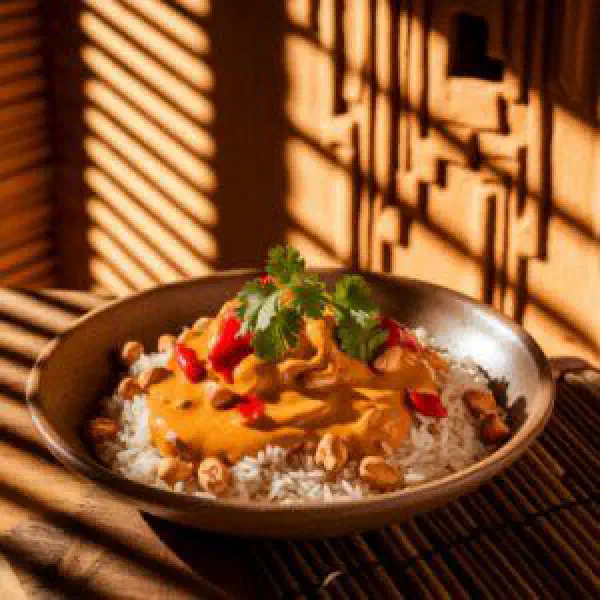
Thoughtful presentation can heighten the whole enjoyment of pondu. Serve it in an attractive bowl and garnish with freshly chopped herbs to add colour and freshness. Scattering whole peanuts over the top creates an appealing texture, too. Serve it with a side of rice or Fufu to give the meal even more depth.
A bit of history
Pondu has a long history in Congolese culture and is valued not only in everyday life but at special occasions too. The use of cassava leaves has deep historical roots, as the plant is native to many parts of Africa and provides an excellent source of nourishment. This dish is a symbol of the Congo’s cultural identity and is often cooked and shared within the community, underlining the importance of hospitality and togetherness. It sits comfortably alongside other staples of Congolese cuisine.
More recipe ideas
Summary: Pondu
Pondu is a delicious dish and a meaningful part of Congolese food culture. With its nourishing ingredients and its ready adaptability, this speciality continues to win fans in both traditional and modern kitchens. Pondu brings people together and creates a sense of community and hospitality. Give it a try and let the range of flavours and the simplicity of the preparation win you over.