National Dish Congo: Saka-Saka ya Mwamba (Recipe)
In this article
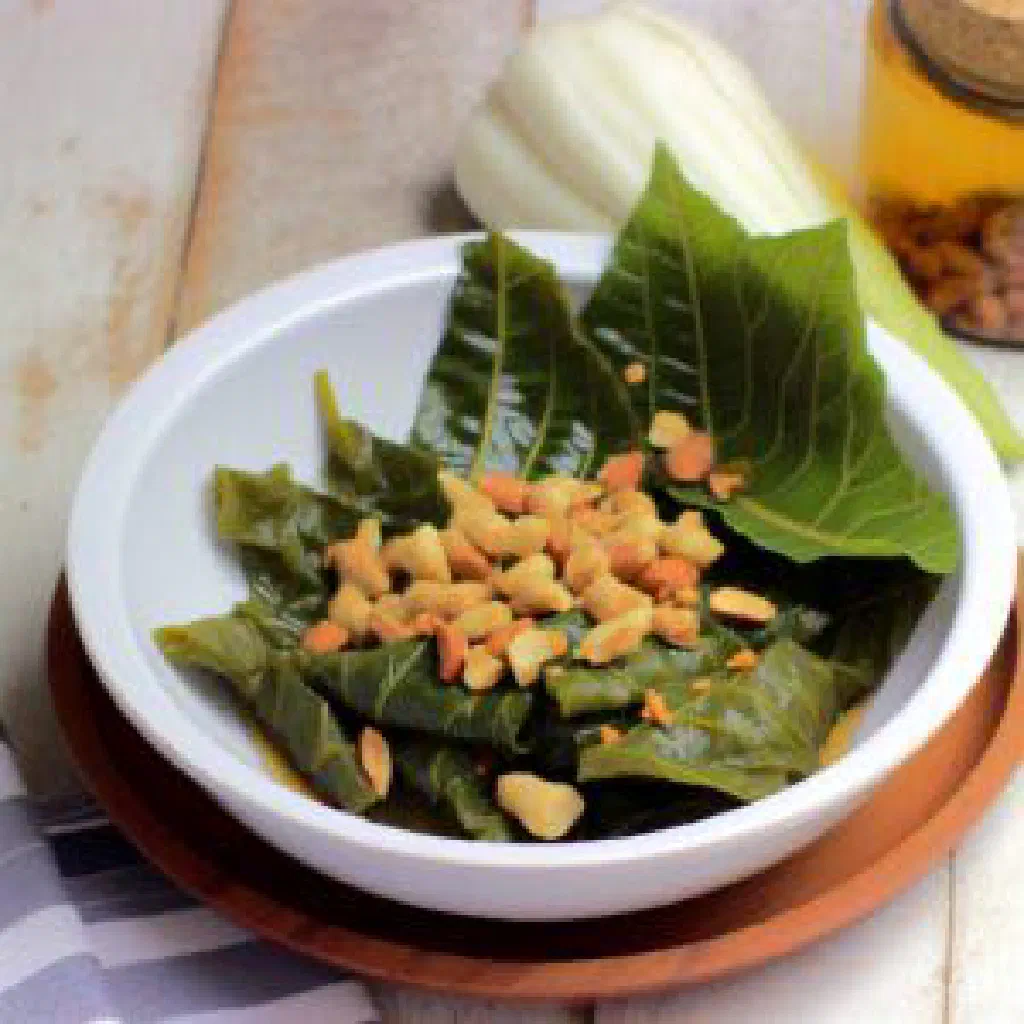
Discover Saka-Saka ya Mwamba, a soul-warming classic from the Congo built around tender cassava leaves and a nutty, richly spiced sauce. Fresh greens are simmered until silky and folded together with roasted peanuts, onions and fragrant palm oil for a dish that is both nourishing and deeply comforting. Earthy, wholesome and unmistakably African, it brings the heart of Congolese home cooking straight to your table.
About Saka-Saka ya Mwamba
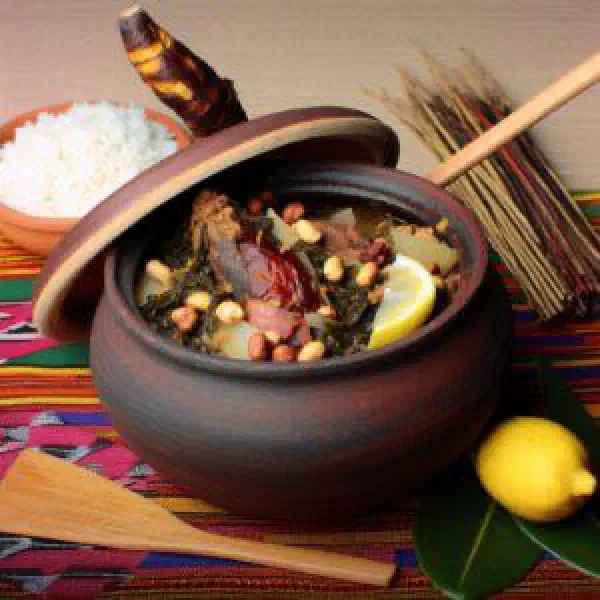
Saka-Saka ya Mwamba is a traditional dish from the Congo that stands out for its distinctive, humble ingredients. At its centre are fresh cassava leaves, prized as much for their flavour as for being rich in nutrients. For many people in the region this dish is considered a true dietary staple. The combination of cassava leaves, peanuts, onions and warming spices creates a memorable taste that captures the very essence of Congolese cooking.
Ingredients (serves 1–2)
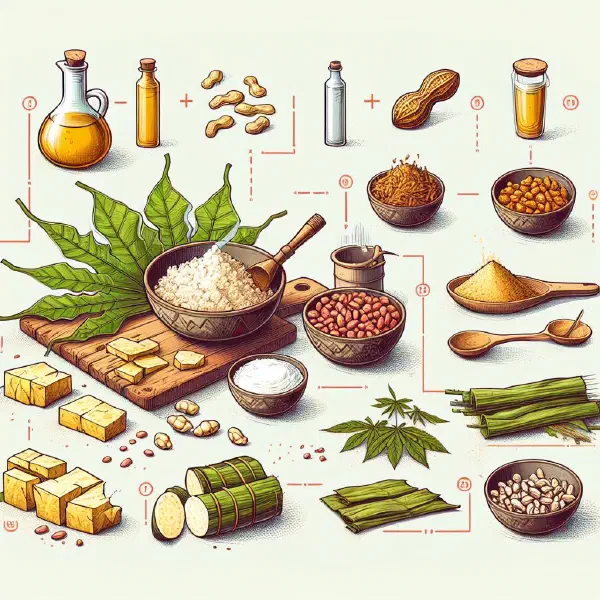
- 300 g fresh cassava leaves
- 100 g peanuts (unsalted)
- 1 onion, finely chopped
- 2 cloves garlic, crushed
- 2 tablespoons palm oil (or to taste)
- Salt and pepper to taste
- Water (as needed)
Shopping for the ingredients
To gather everything you need for saka-saka ya mwamba, your best bet is a local Asian or African grocery. There you will usually find fresh cassava leaves and unsalted peanuts, both essential to this dish, and palm oil is often stocked in the same shops. If you cannot track down fresh cassava leaves, frozen ones will work in some cases. Just make sure they are of good quality. These same cassava greens are the backbone of related dishes like Saka Saka and Pondu.
Preparing the dish
Preparing saka-saka ya mwamba begins with cleaning the cassava leaves. It is important to wash them thoroughly to remove any grit and impurities. Next, the peanuts should be roasted and coarsely crushed to release their aroma. The onions and garlic also need attention, finely chop and crush them so their natural flavours can unfold fully in the finished dish.
Step-by-step instructions
- Blanch the cassava leaves in a large pot of boiling water until soft (about 10–15 minutes).
- Drain off the water and let the leaves drip dry well.
- Heat the palm oil in a pan and sauté the onions and garlic until lightly golden.
- Add the blanched cassava leaves and stir well to combine.
- Fold in the roasted peanuts and mix everything together thoroughly.
- Season with salt and pepper and cook for a further 10 minutes over low heat.
Gluten-free / lactose-free version
One of the great advantages of saka-saka ya mwamba is that it is naturally gluten-free and lactose-free. For anyone with an intolerance or allergy, that makes it an excellent choice. When using palm oil and other ingredients, simply double-check that none contain hidden sources of gluten. This dish slots easily into a healthy diet without any special swaps.
Tips for vegans and vegetarians
Saka-saka ya mwamba is an ideal dish for vegans and vegetarians, since it contains no animal products at all. To deepen the flavour further, you can add diced vegetables such as carrots or peppers. It is also possible to swap the peanuts for other nuts, like cashews, to vary the texture. Experiment with different spices to fine-tune the taste to your own liking.
More tips and tricks
There are a few handy tips that will help you get especially tasty results from saka-saka ya mwamba. Use freshly roasted peanuts to intensify their aroma. A blend of different spices can lend the dish real depth. Try chilli for a fiery kick or a pinch of nutmeg for a sweet, earthy note. A garnish of fresh coriander or parsley looks appealing and brings extra freshness to the plate.
Adapting the recipe to your taste
If you are looking for alternatives to fresh cassava leaves, consider seasonal leafy greens such as spinach or cabbage for a similar flavour and texture. Keep in mind that cooking times may vary. For the peanuts, you can also use different kinds of nuts, each bringing its own character to the dish.
Ingredient substitutions
When certain ingredients are hard to find, thoughtful substitutions keep saka-saka ya mwamba on the menu. Spinach or spring greens step in nicely for cassava leaves, though they cook more quickly. Ground groundnut paste can replace whole roasted peanuts for a smoother sauce, much like the nutty base you find in Moambe. These swaps let you adapt the recipe to what is in season or to your own taste.
Drink pairing ideas
A range of drinks pairs beautifully with saka-saka ya mwamba and rounds out the eating experience. A refreshing lemon water or a light African beer both make great companions. A homemade ginger tea can also complement the dish’s flavours wonderfully. Choose a drink that underlines the sense of occasion, especially when the meal is shared among friends and family.
Serving and presentation ideas
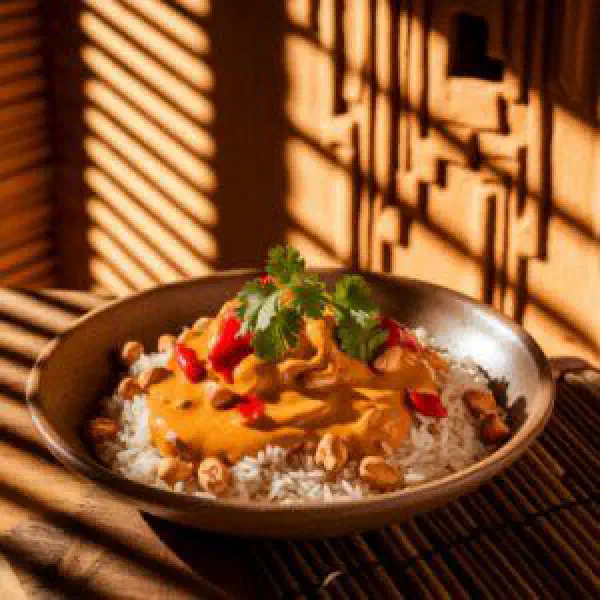
Presentation plays an important part in enjoying saka-saka ya mwamba. Serve it in an attractive bowl and garnish with fresh herbs for an appealing contrast. A side of rice or fried plantains can lift the whole spread, as can a portion of Fufu for scooping up the sauce. Remember to serve the dish warm so its flavours come fully to life.
A bit of history
Saka-saka ya mwamba has its roots in Congolese culture and is a fine example of traditional African cooking. The use of cassava leaves reflects the importance of this plant across many African countries, where it is regarded as a staple food. Over the centuries the dish has evolved and is often served at special occasions and celebrations. By preparing and sharing saka-saka ya mwamba, we enjoy a good meal and keep the cultural identity of the Congo alive, a spirit you can taste across all of Congolese cuisine.
More recipe ideas
Summary: Saka-Saka ya Mwamba
Saka-saka ya mwamba is a delicious, nutrient-rich dish that showcases the culinary variety of the Congo in exquisite fashion. With simple ingredients and a straightforward method, it is a perfect choice for anyone keen to explore African cooking. The combination of cassava leaves, peanuts and spices makes it a unique experience that appeals to vegetarians and meat lovers alike. Give it a try and let the flavours of the Congo work their magic.