National Dish Costa Rica: Boiled Pejibaye (Recipe)
In this article
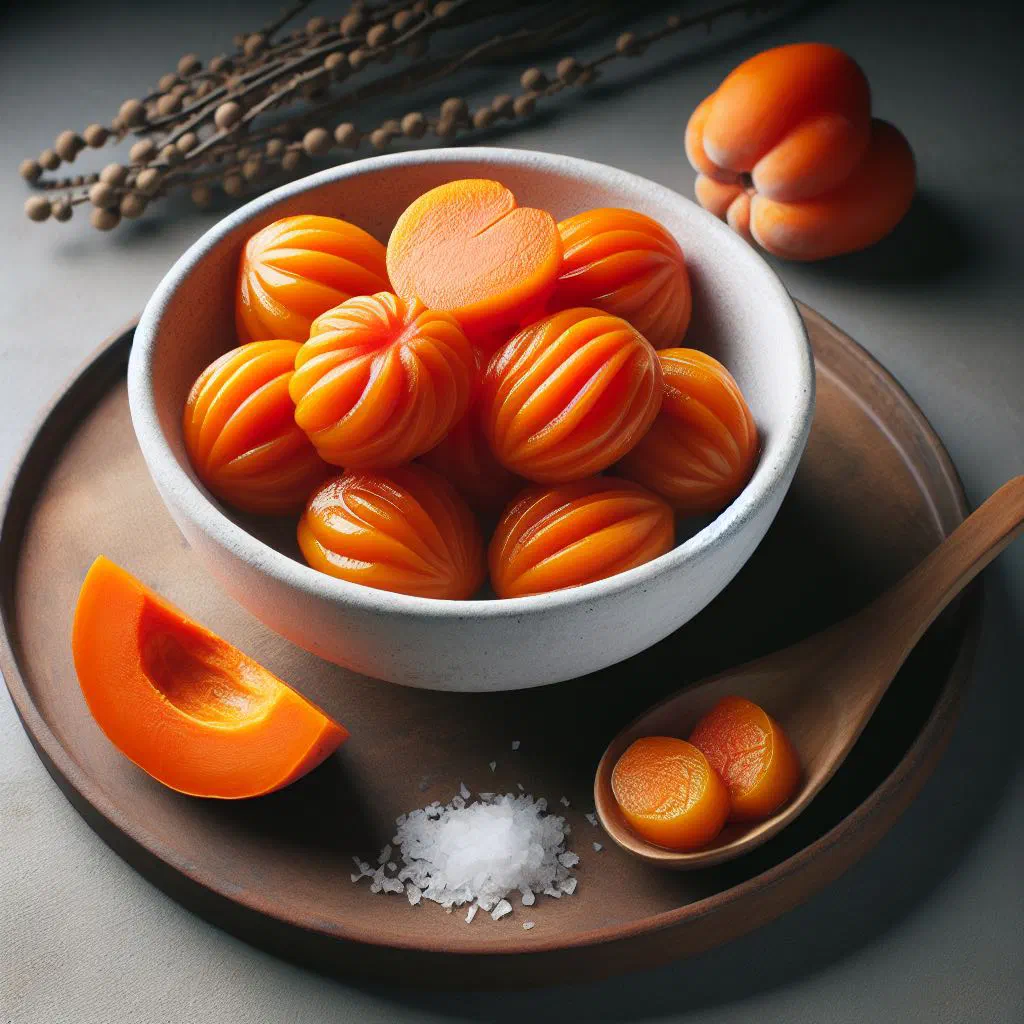
Meet Boiled Pejibaye, a beloved snack from the tropical heart of Costa Rica. These golden fruits from the peach palm boast a wonderfully creamy texture and a rich, nutty flavour that has made them a fixture at family gatherings and festive occasions. Simmered gently in salted water and traditionally served with a little butter and cheese, they are as nourishing as they are moreish. Here is everything you need to bring this authentic Costa Rican treat to your own table.
About Boiled Pejibaye
Boiled Pejibaye is a traditional dish from Costa Rica built around the nutritious fruit of the peach palm. These fruits are packed with vitamins and minerals and have a creamy consistency and an intensely nutty taste. They are frequently served at social gatherings and festivals, which has made them a popular snack and a delicious side dish. In this article you will find everything you need to know about this hearty, satisfying treat.
Ingredients (serves 1–2)
- 250 g pejibaye fruits
- 1 litre water
- 1 teaspoon salt
- 2 bay leaves (optional)
- Butter and cheese to taste (optional)
Shopping for the ingredients
Pejibaye fruits are available at many Latin American markets and some Asian grocery shops. When buying, look for fruits that are fresh and free of damage. The remaining ingredients, such as salt and bay leaves, are easy to find in most supermarkets. Allow yourself enough time to make sure you have everything you need before you start cooking.
Preparing the dish
Before you begin making Boiled Pejibaye, make sure the fruits are thoroughly washed. Remove any dirt and residue from the skins. It is also wise to set up a suitable cooking station with a large pot so the fruits have plenty of room to cook. Proper preparation ensures your dish tastes its best and the texture turns out perfectly.
Step-by-step instructions
- Place the washed pejibaye fruits in a large pot.
- Add the water, the salt and the bay leaves.
- Bring the water to the boil, then reduce the heat.
- Let the fruits simmer for about 30–40 minutes, until soft.
- Remove the fruits from the water and allow them to cool slightly.
- Carefully peel the pejibaye and serve as you like with butter and cheese.
Gluten-free / lactose-free version
Boiled Pejibaye is naturally gluten-free and can also be prepared without any dairy. If you would like to avoid gluten or lactose, simply serve the fruits with olive oil or plant-based margarine. Skip the cheese or milk to keep the dish vegan. That way people with a range of dietary needs can enjoy the delicious pejibaye. It sits well alongside other naturally gluten-free staples such as Yuca Al Mojo.
Tips for vegans and vegetarians
For a vegan version of Boiled Pejibaye, use plant-based alternatives in place of butter and cheese. This provides the creaminess you want and makes the dish accessible to a wider audience. Try to choose fresh, organic produce to maximise the health benefits. Many vegans and vegetarians are surprised at just how versatile and tasty pejibaye can be as part of their diet.
More tips and tricks
To get the very best from your Boiled Pejibaye, it helps to choose your accompaniments carefully. Fresh herbs can lend the dish a special note. A touch of lemon juice at serving time also brings out the flavour of the fruit beautifully. Experiment with different seasonings to create an aroma that is entirely your own.
Adapting the recipe to your taste
The recipe for Boiled Pejibaye is easy to adjust to suit personal preference. You could add more or less salt, for example, depending on your taste. You might also try different spice blends from around Latin America to give the dish even more depth. Those who like things mild will appreciate the underlying sweetness of the pejibaye, while lovers of bolder food can experiment with extra seasoning.
Ingredient substitutions
If you cannot find pejibaye fruits, you can occasionally use other starchy foods such as chestnuts or boiled sweet potatoes instead. These alternatives can offer a similar consistency and flavour, much like the comforting texture found in a bowl of Sopa De Platano. Do be careful when adjusting the cooking times, however, as they can differ quite a bit. This gives you the freedom to play with the recipe without missing out on the enjoyment.
Drink pairing ideas
Boiled Pejibaye goes wonderfully with fruity drinks or alongside a fresh Ceviche, which complements the fresh flavours of the fruit. A refreshing fruit juice or a chilled tea would also be a good choice. Places serving traditional Costa Rican food often pour Agua de Sapo, a sweet drink that rounds off the flavour combination. Experiment to find the perfect drink for your dish.
Serving and presentation ideas
The presentation of Boiled Pejibaye can be lifted considerably by adding fresh vegetables or herbs to the plate. Garnish the dish with fresh coriander leaves or lime peel. An attractive arrangement boosts the visual appeal and turns the meal into a festive occasion. Small bowls of extra accompaniments beside the main dish can add complexity to the whole spread.
A bit of history
The origins of the pejibaye trace back to the indigenous peoples of Costa Rica, who have harvested the fruits for centuries. This traditional way of preparing them is a symbol of cultural identity and of the country’s wealth of natural resources. Pejibaye is not merely a food but also part of a collective heritage passed down from one generation to the next. Anyone who makes Boiled Pejibaye is contributing to this rich tradition, a proud thread of Costa Rican cuisine.
More recipe ideas
Summary: Boiled Pejibaye
Boiled Pejibaye is a delicious and nourishing dish that captures the authentic taste of Costa Rica. Treat yourself or your guests to these varied flavours and get to know the culture through preparing and enjoying this tasty dish. With simple ingredients and just a few steps, it makes a wonderful dish that appeals to the palate and warms the heart in equal measure. Give it a try and discover the fascinating world of Costa Rican cooking.