National Dish Costa Rica: Gallo Pinto (Recipe)
In this article
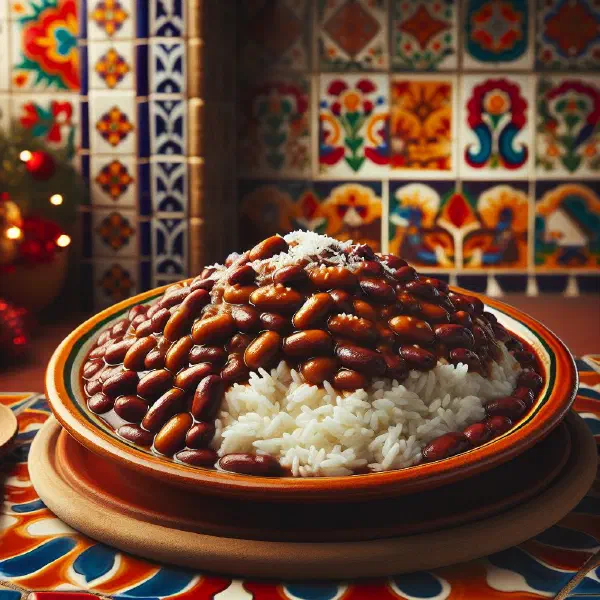
Gallo Pinto is yesterday’s rice and beans fried together this morning. The beans stain the rice, which is where the name comes from: spotted rooster. Costa Ricans eat it for breakfast with eggs, and the argument with Nicaragua about who invented it is genuine and unresolved.
About Gallo Pinto
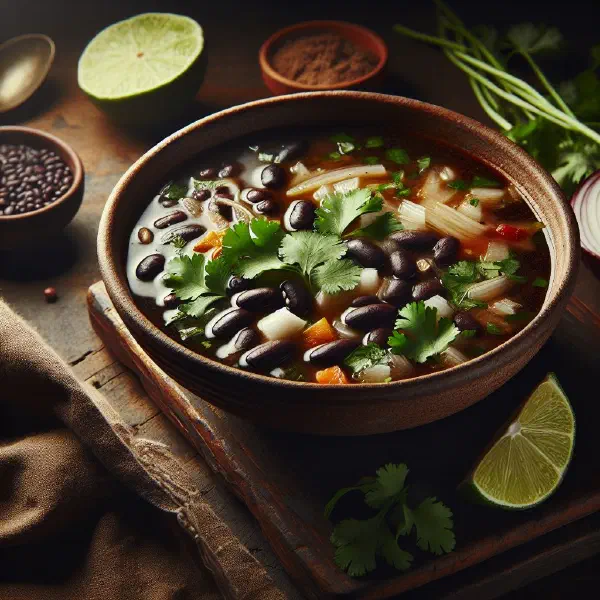
Gallo pinto is Costa Rica’s breakfast. Cooked rice and black beans are fried with onion, pepper and coriander, and the distinguishing ingredient is Salsa Lizano, a mild brown sauce that most Costa Rican households treat as essential.
The rice should be a day old. Fresh rice is too moist and clumps in the pan.
Ingredients (serves 1–2)
- 1 cup cooked rice
- 1 cup cooked black beans
- 2 tablespoons vegetable oil
- 1 small onion, finely diced
- 1 red pepper, finely diced
- 2 cloves garlic, chopped
- 1/4 cup fresh coriander, chopped
- Salt and pepper to taste
- 1 teaspoon cumin
- Worcestershire sauce, to taste
Shopping for the ingredients
Salsa Lizano is the real ingredient here and is sold in Latin American shops and online; Worcestershire sauce is the accepted substitute the recipe uses. Keep a few tablespoons of the black bean cooking liquid, because that dark liquor is what colours the rice properly.
Preparing the dish
Cook the rice the day before and refrigerate it. Drain the beans but keep some liquid. Dice the onion and pepper small so they cook through in the few minutes the dish takes.
Step-by-step instructions
- Heat the oil in a large frying pan and gently sweat the onions and garlic until soft.
- Add the red pepper and continue to sauté for a few more minutes.
- Stir in the cooked rice and black beans, mix everything together well and fry until the rice turns golden.
- Season the mixture with salt, pepper, cumin and Worcestershire sauce. Fold through the coriander and serve the dish hot.
Gluten-free / lactose-free version
Rice and beans are gluten-free and dairy-free. Worcestershire sauce contains barley malt vinegar, and Salsa Lizano contains wheat, so both need substituting for a strictly gluten-free version. Tamari with a pinch of sugar approximates the effect.
Tips for vegans and vegetarians
Gallo pinto is vegan as written, provided the Worcestershire sauce is anchovy-free, which most are not. Salsa Lizano is vegan. Served with fried plantain and avocado instead of eggs, it makes a complete plant-based breakfast.
More tips and tricks
Use day-old rice. This is the one rule. Add a few spoonfuls of the bean liquid to the pan, not just the beans, since that is what makes it pinto rather than rice with beans on top. And do not stir it constantly; let it sit in the pan long enough to catch slightly.
Adapting the recipe to your taste
More Lizano is the usual direction. Some households add a little of the previous night’s meat. In Nicaragua the same dish uses red beans rather than black, which Costa Ricans regard as the whole difference.
Ingredient substitutions
Red kidney beans make the Nicaraguan version. Any leftover rice works. Spring onion in place of the white onion is common.
Drink pairing ideas
Costa Rican coffee, obviously. Fresh papaya or cas juice is the standard breakfast drink. Agua dulce, hot water with unrefined cane sugar, is the rural morning drink.
Serving and presentation ideas
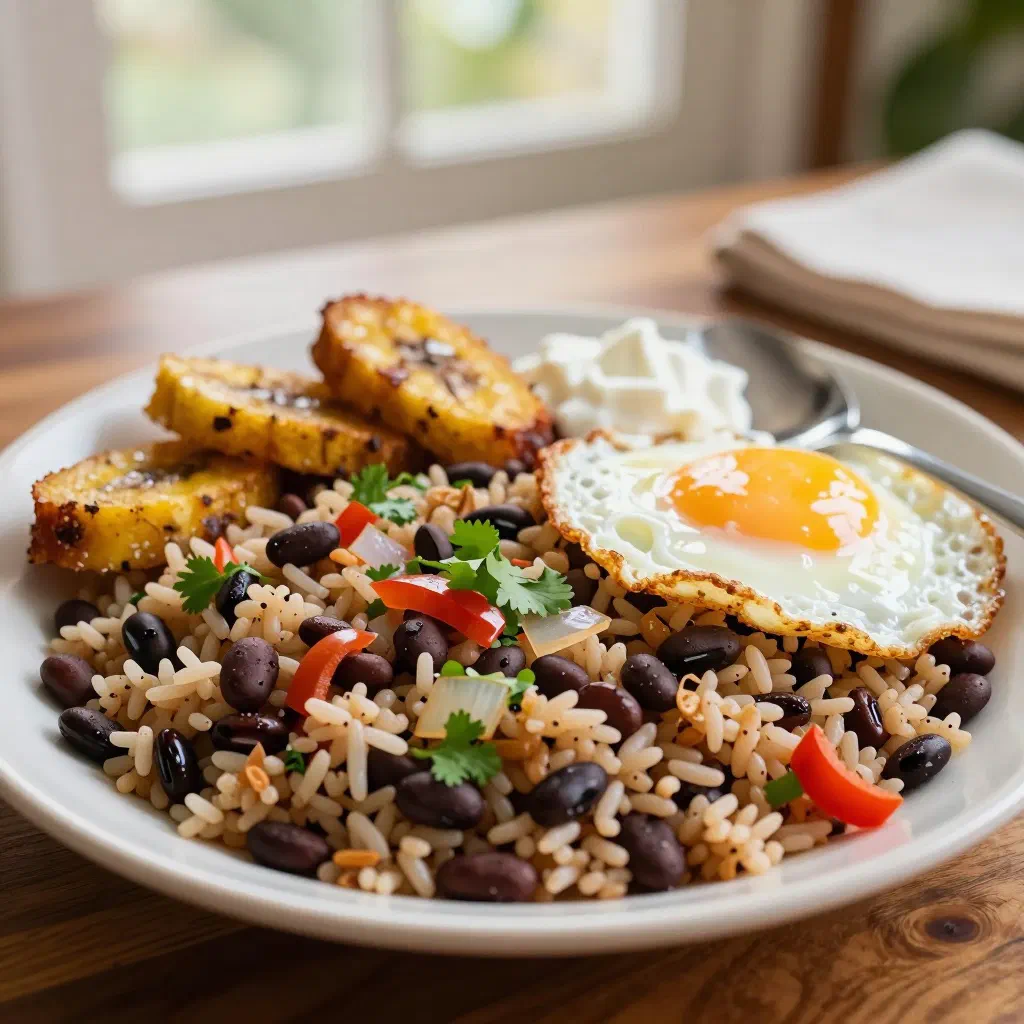
Serve it for breakfast with fried eggs, fried plantain, soured cream and a wedge of white cheese. On a lunch plate it becomes part of a casado. Salsa Lizano stays on the table.
A bit of history
Rice and beans cooked together appear across the Caribbean and Central America, brought by African cooks and adapted everywhere. Costa Rica and Nicaragua both claim gallo pinto as national and both are partly right. It is the foundation of Costa Rican cuisine and eaten by more people on more mornings than anything else in the country.
More recipe ideas
Summary: Gallo Pinto
Gallo pinto is day-old rice fried with black beans, onion, pepper and Salsa Lizano. Use cold rice, add some bean liquid for colour, and let it catch in the pan.