National Dish Costa Rica: Pan de Banano (Recipe)
In this article
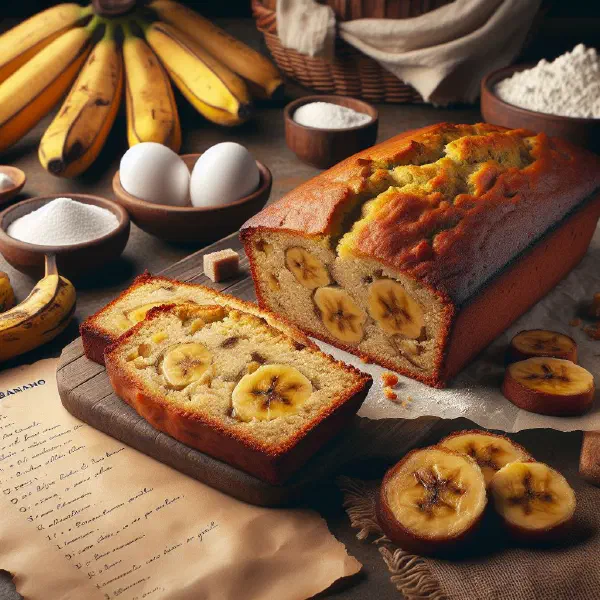
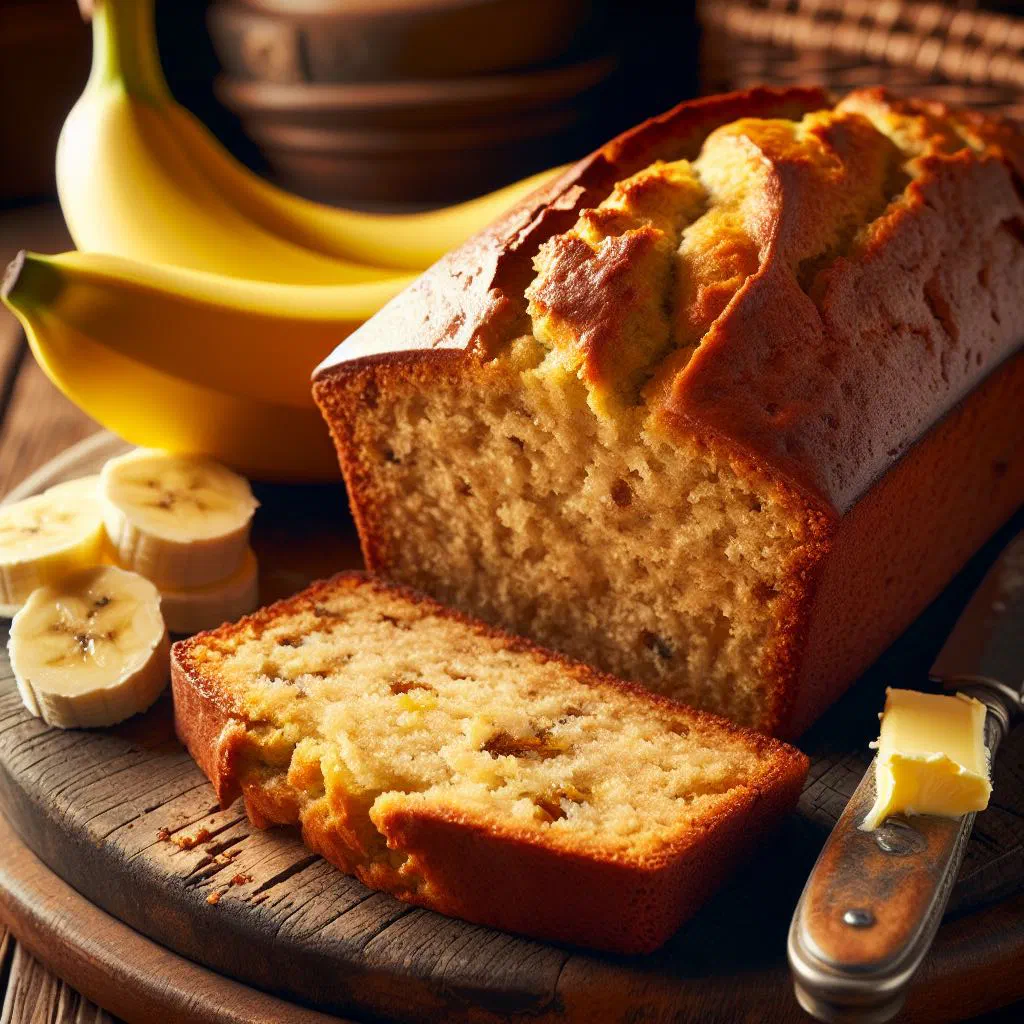
Meet Pan de Banano, Costa Rica’s much-loved take on banana bread. This moist, tender loaf brings together sweet, fragrant bananas, a warming hint of cinnamon and a scattering of crunchy nuts for a bake that feels like home. Enjoyed at breakfast or as an afternoon treat, it comes together with the simplest of ingredients, making it just the thing whether you are a seasoned baker or trying your first loaf. Bring a slice of Caribbean warmth straight to your own kitchen.
About Pan de Banano
Pan de Banano is far more than a plain banana bread; it is a symbol of Costa Rican cooking. This moist loaf unites the flavour of ripe, sweet bananas with a pinch of cinnamon and crunchy nuts to create a beautifully harmonious bake. Traditionally it is enjoyed at breakfast or as a sweet snack, which makes it ideal at any time of day. Its straightforward preparation means it appeals to complete beginners and keen home bakers alike, much like the cosy comfort of a slice of Queque Seco.
Ingredients (serves 1–2)
- 2 ripe bananas
- 100 g sugar
- 1 egg
- 100 g flour (or a gluten-free alternative)
- 1/2 teaspoon baking powder
- 1/2 teaspoon cinnamon
- 50 g chopped nuts (walnuts or almonds)
- 1 pinch of salt
Shopping for the ingredients
When shopping for your Pan de Banano, take care that the bananas are properly ripe. Ripe bananas have an intense yellow colour and should give slightly under gentle pressure. Sugar, flour and the other dry ingredients are available in any supermarket. It is worth choosing good-quality nuts, as they lend the loaf extra texture and flavour.
Preparing the dish
Preparing the dish begins with selecting the right bananas. Peel the ripe bananas and mash them well in a bowl, making sure they are thoroughly broken down so they blend evenly with the other ingredients. Measure out the remaining ingredients and prepare a baking tin by greasing it with butter or lining it with baking paper. These small steps are key to a successful result.
Step-by-step instructions
- Preheat the oven to 175°C.
- Mash the ripe bananas in a large bowl.
- Add the sugar and the egg and mix everything together well.
- In a separate bowl, combine the flour, baking powder, cinnamon and salt.
- Add the dry ingredients to the wet mixture and fold everything together gently.
- Stir in the chopped nuts until they are evenly distributed through the batter.
- Pour the batter into the prepared baking tin.
- Bake the Pan de Banano for around 45 minutes, or until golden brown.
- Let the loaf cool a little before turning it out of the tin.
Gluten-free / lactose-free version
Making a gluten-free version is simple: swap the wheat flour for a gluten-free flour such as almond or rice flour. For a lactose-free loaf, replace the butter with a plant-based oil or margarine. These adjustments make the Pan de Banano accessible to anyone with a food allergy, without spoiling its delicious flavour. Just be sure to check each ingredient carefully so that everything really is gluten- and lactose-free.
Tips for vegans and vegetarians
Vegans can adapt this loaf easily by replacing the egg with apple sauce or a similar alternative. These ingredients help retain the moisture the egg would normally provide. Do double-check the sweetener too, as not every type of sugar is vegan. With these simple swaps the recipe stays open to everyone while remaining just as delicious.
More tips and tricks
A few extra tips and tricks can make a real difference to your bake. It can help, for instance, to store the bananas in the fridge overnight to intensify their natural sweetness. Adding chocolate chips or dried fruit gives the loaf an exciting twist too. And don’t forget to let the Pan de Banano rest for a few hours after baking, as this allows the flavours to develop more fully.
Adapting the recipe to your taste
You can tailor this recipe to your own preferences by adding different nuts or dried fruit. Perhaps you favour walnuts over almonds, or would like to fold in cranberries to play off the sweetness of the bananas. Adding spices such as nutmeg or vanilla can shift the flavour and make the recipe more personal. Experiment with different combinations to create your perfect Pan de Banano, the same spirit of tropical baking you’ll find in a slice of Bizcocho De Yuca.
Ingredient substitutions
If you don’t have every ingredient to hand, there are plenty of alternatives you can use. Instead of sugar you might reach for honey or agave syrup, which make for a slightly healthier option. And if nuts aren’t for you, swap them for rolled oats to vary the texture. Substitutions like these let you experiment freely while still ending up with a delicious loaf.
Drink pairing ideas
Several drinks complement Pan de Banano beautifully. A glass of freshly squeezed orange juice brings a lovely freshness that plays off the sweet flavour of the loaf. A creamy coffee makes a wonderful companion too. For special occasions you could blend up a fruity smoothie to heighten that Caribbean feel, or serve it alongside a comforting cup of Arroz Con Leche.
Serving and presentation ideas
For an attractive presentation, slice the Pan de Banano and arrange it on an elegant plate. Decorate with fresh fruit such as berries or orange slices. You might also serve a lightly sweetened yoghurt in a small bowl on the side. A thoughtful presentation can lift the whole tasting experience considerably.
A bit of history
Pan de Banano has its roots in Costa Rica’s traditional cooking and is a firm favourite prepared in many households. The use of bananas, which grow in abundance across Costa Rica, has tied this bake closely to the country’s culture and traditions. Many families have their own version of the recipe, often handed down from generation to generation. Bakes like this are a wonderful example of the rich variety of Costa Rican cuisine.
More recipe ideas
Summary: Pan de Banano
In short, Pan de Banano is a wonderful example of Costa Rica’s warm hospitality. With its simple ingredients and quick preparation, this delicious bake is an easy one to enjoy. It brings a piece of Caribbean charm to any kitchen. Let this traditional recipe work its magic and give it a go yourself.