National Dish Costa Rica: Picadillo (Recipe)
In this article
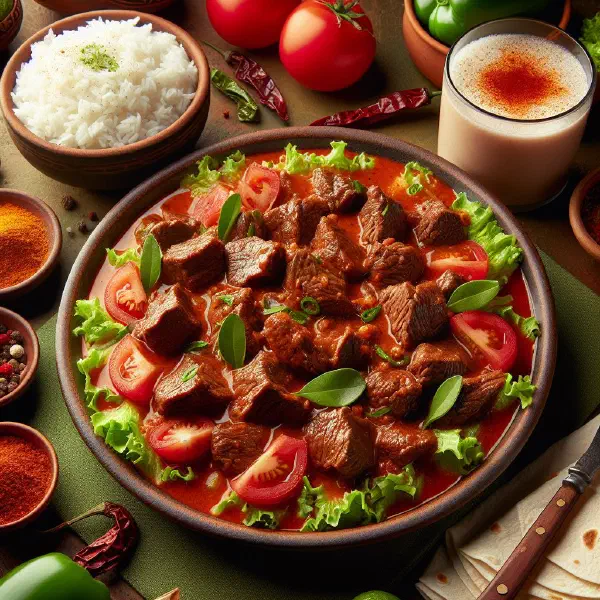
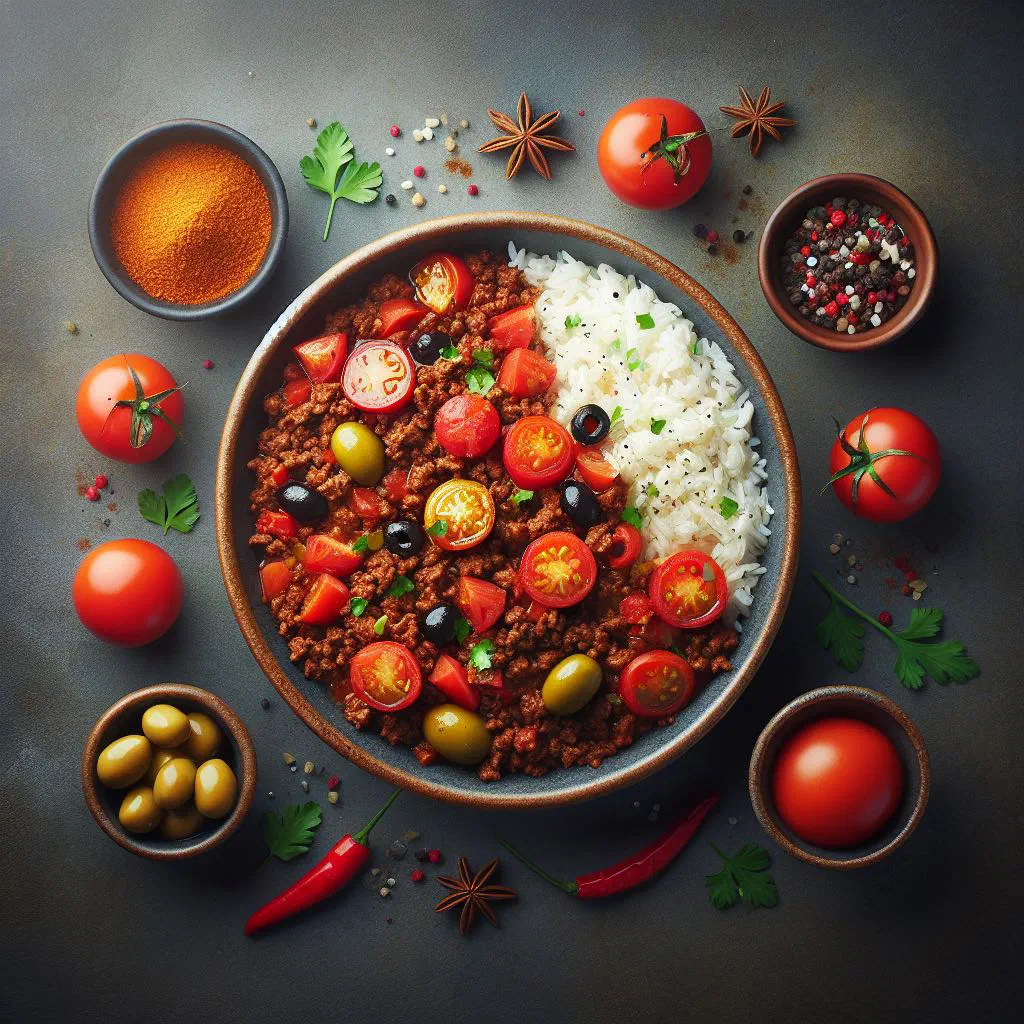
Discover Picadillo, one of the heartiest treasures of Costa Rica’s kitchens. This savoury skillet of tender minced beef, fresh vegetables and warm spices captures the very soul of tico home cooking. Fragrant with cumin and paprika and traditionally served alongside rice and black beans, it is easy, comforting and endlessly adaptable. Bring the flavours of Central America straight to your own table with this simple, satisfying classic.
About Picadillo
Picadillo is a traditional dish cherished across much of Central America, and nowhere more so than in Costa Rica. It is a hearty minced-beef skillet that is often served with rice and black beans. Alongside the mince, the base ingredients include a selection of fresh vegetables and spices that turn the dish into a genuine flavour experience. The versatility of picadillo makes it easy to create different variations, each lending its own regional character to this beloved staple of Costa Rican cuisine.
Ingredients (serves 1–2)
- 250 g minced beef
- 1 small onion
- 1 red bell pepper
- 1 carrot
- 2 cloves of garlic
- 1 tsp cumin
- 1 tsp paprika
- 2 tbsp olive oil
- Salt and pepper, to taste
- Fresh coriander, to garnish
Shopping for the ingredients
When shopping for the ingredients for picadillo, it is well worth visiting a local market to find fresh vegetables and good-quality minced beef. Choose organic produce where possible to ensure the best quality. Spices such as cumin and paprika should be fresh, as this makes a considerable difference to the flavour of the finished dish. Allow yourself enough time to select and prepare the ingredients at a relaxed pace.
Preparing the dish
Before you begin cooking, all the ingredients should be washed thoroughly and prepared. Cut vegetables such as the onion, bell pepper and carrot into small dice. The garlic cloves should be finely chopped to draw out an intense aroma. This groundwork is essential so the picadillo cooks evenly and tastes its best.
Step-by-step instructions
- Heat the olive oil in a large pan over medium heat.
- Add the onion and garlic and fry until translucent.
- Add the minced beef to the pan and cook until well browned and cooked through.
- Stir in the bell pepper and carrot and fry everything for a further 5 minutes.
- Season the dish with cumin, paprika, salt and pepper.
- Let the picadillo simmer for a few more minutes so the flavours can develop fully.
- Serve hot, garnished with fresh coriander.
Gluten-free / lactose-free version
Picadillo is naturally gluten-free and lactose-free, provided no extra ingredients containing gluten or lactose are added. To be safe, use a pure olive oil and make sure all your spices are free from gluten and other allergens. This makes it an excellent choice for anyone with food intolerances, so people following special diets can enjoy the dish just as much as everyone else.
Tips for vegans and vegetarians
For vegan or vegetarian versions of picadillo, you can replace the minced beef with plant-based alternatives such as soya mince or lentils. Mixed vegetables also work beautifully here, adding varied texture and outstanding flavour. Spices such as cumin and paprika stay the same to keep that authentic aroma. This way the culinary experience remains unchanged, even without any animal products.
More tips and tricks
An important tip when making picadillo is not to fry the minced beef for too long, so it stays tender. You can also add a pinch of sugar to balance the flavours and bring a subtle sweetness to the dish. Fresh herbs should be added only at the very end of cooking to preserve their freshness. Try experimenting with different warm spices to keep varying the flavour of the dish.
Adapting the recipe to your taste
The recipe for picadillo is easy to adapt to your personal preferences. You can add extra vegetables such as courgette or peas to make the dish even more nourishing. If you like it spicier, add fresh chillies or chilli powder. This way you can tailor the dish to your own taste and turn every mouthful into something special.
Ingredient substitutions
If you do not have all the ingredients to hand, there are plenty of alternatives you can use. Instead of minced beef, you could choose minced chicken or a plant-based product. For the vegetables, reach for seasonal produce that happens to be fresh, the same market-fresh spirit behind a good Arroz Con Verduras. Spices are flexible too: experiment with different blends to shape the dish to your liking.
Drink pairing ideas
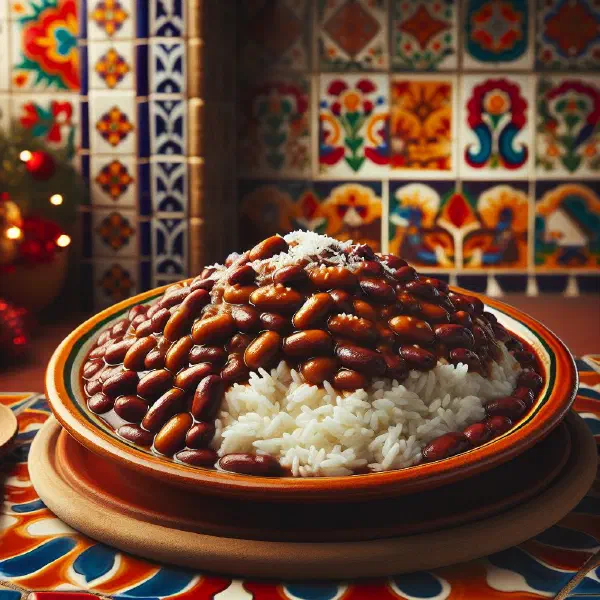
A range of drinks pairs well with a delicious picadillo. A cold cerveza (beer) is a popular choice in Costa Rica. Alternatively, you could serve a fruity refresco (fruit cordial) or a crisp white wine. For alcohol-free options, freshly pressed fruit juices or citrus-infused water work wonderfully, much like the natural juices poured alongside a plate of Gallo Pinto.
Serving and presentation ideas
Presentation plays an important part with a dish like picadillo. Serve it in a decorative bowl and garnish with freshly chopped coriander or slices of lime. A side of rice and beans can also be arranged attractively on the plate. Using colourful plates and stylish tableware heightens the whole visual experience of the meal. Perfect when picadillo takes centre stage in a Casado.
A bit of history
The roots of picadillo reach back to the Spanish colonial era and have evolved ever since across Latin America. It is a dish prepared quite differently from one country to the next, with each place adding its own touch. In Costa Rica, picadillo is an everyday meal and a symbol of the sociability and hospitality of its people. It is often served at parties and celebrations, which underlines the cultural value of the dish.
More recipe ideas
Summary: Picadillo
Picadillo is a tasty and versatile dish that appeals to thanks to its hearty ingredients and aromatic spices. It is simple to prepare and easy to adapt to your own preferences. Picadillo remains a firmly established part of Costa Rican cuisine. Enjoy this culinary experience, which pleases the palate and tells the story of Costa Rica’s rich culture.