National Dish Costa Rica: Ropa Vieja (Recipe)
In this article
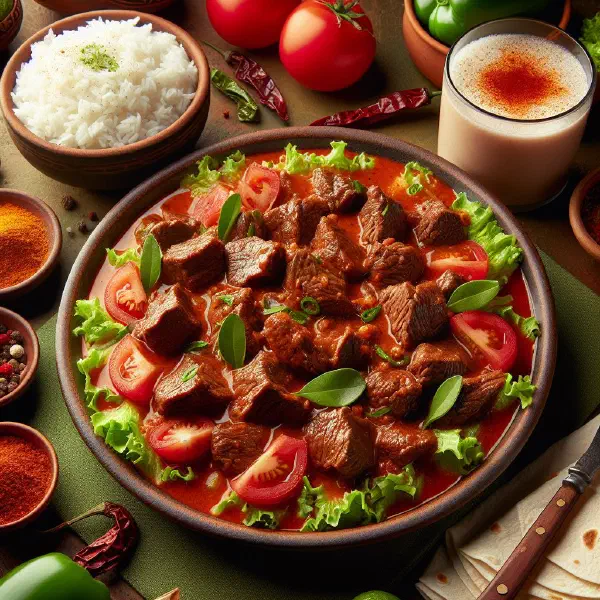
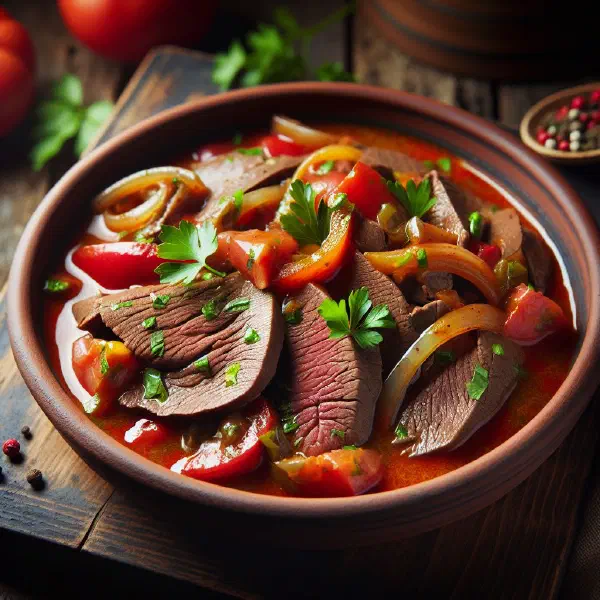
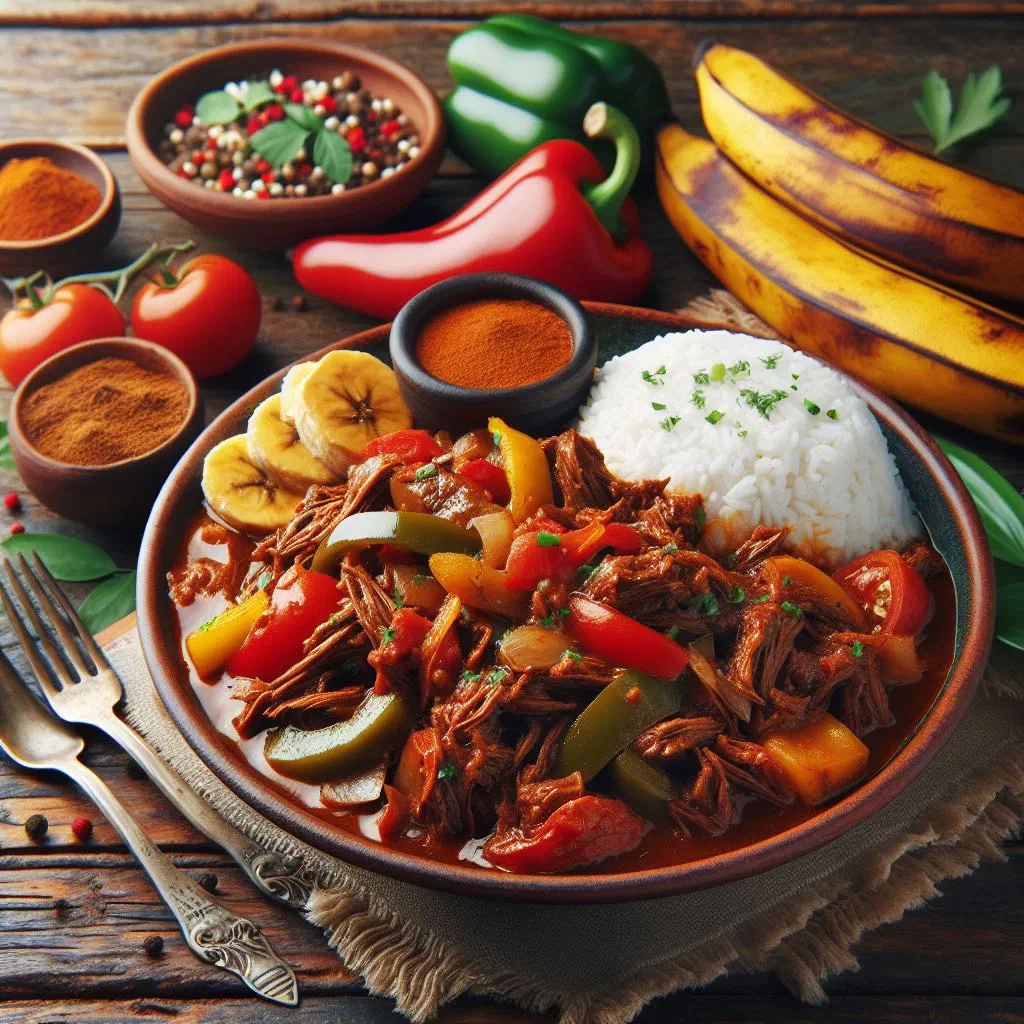
Meet Ropa Vieja, a soulful classic beloved across Costa Rica. Tender strips of slow-braised beef simmer in an aromatic tomato sauce brightened with sweet peppers and onions, until the meat falls apart into soft, ragged threads. The name translates literally as “old clothes”, a playful nod to those tattered strands. Warm, colourful and endlessly comforting, it is a dish that carries the heart of Costa Rican home cooking straight to your table.
About Ropa Vieja
Ropa Vieja is a traditional dish from Costa Rica, adored by locals and visitors alike. It is built around tender, braised strips of beef cooked down in a fragrant tomato sauce with fresh peppers and onions. The name means “old clothes”, a reference to the shredded strands of meat that give the dish its distinctive, rumpled appearance. More than a treat for the palate, Ropa Vieja is a tour into the warm, bright traditions of Costa Rica, the same kind of hearty home cooking you will find across Costa Rican cuisine.
Ingredients (serves 1–2)
- 500g beef (such as shoulder or shin)
- 2 large tomatoes
- 1 large onion
- 1 yellow pepper
- 1 red pepper
- 3 garlic cloves
- 1 teaspoon cumin
- 1 teaspoon oregano
- Salt and pepper, to taste
- Olive oil, for frying
- Rice and beans, to serve
Shopping for the ingredients
For Ropa Vieja, it is well worth choosing fresh vegetables and good-quality beef. Many supermarkets and local markets in Costa Rica offer freshly harvested produce that noticeably improves the flavour of the dish. Check the meat for an even colour and a tender texture. This is crucial to the final result. High-quality spices such as cumin and oregano can make a real difference too, so pick them out with care.
Preparing the dish
Preparing Ropa Vieja is an important step in coaxing out the best flavours. Begin by cutting the beef into large pieces and seasoning it with salt and pepper. Wash the fresh vegetables and dice them small so they melt into the sauce later on. It is also a good idea to chop the garlic finely for an intense aroma. This will make the dish all the more flavourful.
Step-by-step instructions
- Heat olive oil in a large pot and brown the beef on all sides until nicely coloured.
- Remove the beef from the pot and sauté the sliced onions and peppers in the remaining fat.
- Add the chopped garlic and let it soften briefly.
- Stir in the diced tomatoes and the spices, mixing everything well.
- Return the browned beef to the pot and top up with water until the meat is almost fully covered.
- Cover the pot and let it braise over low heat for 2 to 3 hours.
- Lift out the cooked meat, shred it, then return it to the sauce and simmer for a few more minutes.
- Serve with rice and beans, and enjoy.
Gluten-free / lactose-free version
One of the best things about Ropa Vieja is that it is naturally free from gluten and lactose. You can rest assured that guests with intolerances or special dietary needs are well catered for. When cooking for others, it is worth keeping an eye on the side dishes: serve the meal with gluten-free rice or pulses to guarantee a tasty and easily tolerated plate.
Tips for vegans and vegetarians
For vegans and vegetarians, there are creative ways to adapt the recipe for Ropa Vieja. You could, for instance, swap the beef for tender jackfruit or seasoned tofu. These alternatives soak up the flavours of the spices beautifully and offer a similar textural complexity. Remember to season the dish generously as it cooks so you reach the full, satisfying flavour you would enjoy in the traditional version.
More tips and tricks
The preparation of Ropa Vieja can be made simpler and even more delicious with a few extra tips and tricks. A slow cooker is ideal for making the meat extra tender; let it simmer overnight to draw out the best aroma. Try adding different varieties of pepper, too, to give the dish an added dimension of flavour. Finally, fresh vegetables are a must for lifting both the quality and the presentation.
Adapting the recipe to your taste
The beauty of Ropa Vieja is how many ways there are to adapt the ingredients. Feel free to add more vegetables such as carrots or celery to boost the nutritional value. You can also vary the flavours by working in extra spices like paprika or chilli for a touch of heat. The freedom to shape the recipe to your own preferences is part of what makes every batch unique.
Ingredient substitutions
If you do not have every ingredient for Ropa Vieja to hand, there are plenty of alternatives. In place of fresh tomatoes you can use tinned ones. If beef is not to your taste, try lamb or chicken instead. Both marry well with the spices, much as the chicken does in Arroz Con Pollo. Adjustments like these help you tailor the dish to your palate without losing the essence of the recipe.
Drink pairing ideas
The right drinks can greatly enhance the whole Ropa Vieja experience. A cool, fresh sangria or a light, sparkling beer pairs wonderfully with the dish’s savoury aromas. For an alcohol-free option, fresh fruit juices or a refreshing hibiscus tea offer a lovely contrast to the hearty flavours. Choose drinks that support the flavour profile of the food and make for a harmonious meal.
Serving and presentation ideas
An appealing presentation of Ropa Vieja can raise interest in this traditional dish. Serve it in a colourful, deep bowl and garnish with fresh herbs such as coriander or parsley to add colour and freshness. Pair it with bright vegetables and a portion of rice on the side to create a pleasing contrast. A thoughtful presentation is an important part of the meal, building anticipation for the first bite.
A bit of history
The history of Ropa Vieja reaches back into the 19th century and points to the Spanish roots of Costa Rican cooking. Originally the dish was made from the leftovers of boiled beef, which explains how it came by its name. It grew into one of Costa Rica’s national dishes, closely tied to both the culture and the everyday life of Costa Ricans. Preparing and sharing Ropa Vieja is more than just a meal; it is a social and cultural gathering that celebrates community and tradition, the same spirit you find in a plate of Casado or a bowl of Gallo Pinto.
More recipe ideas
Summary: Ropa Vieja
Ropa Vieja is a piece of Costa Rican culture. With its delicious flavour and hearty preparation, it brings a feeling of home to the table. The recipe offers no end of ways to adapt it, whether for vegetarians, vegans or those with specific dietary needs. However you make it, the traditional way or with your own personal twists, it promises a memorable taste experience.