National Dish Costa Rica: Tamal de Cambray (Recipe)
In this article
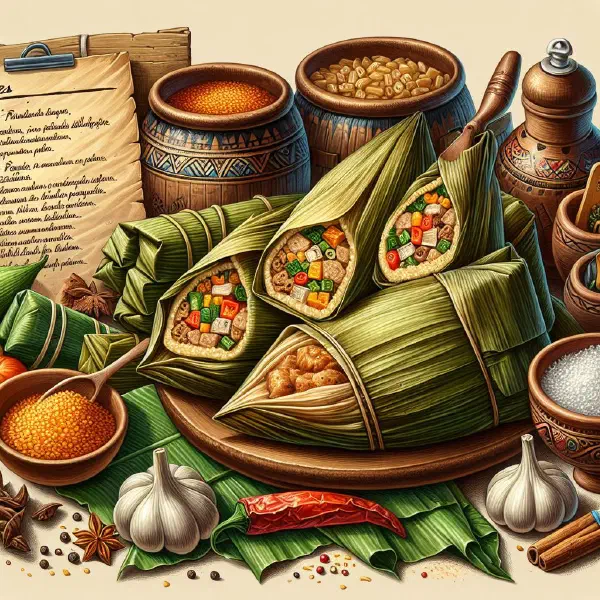
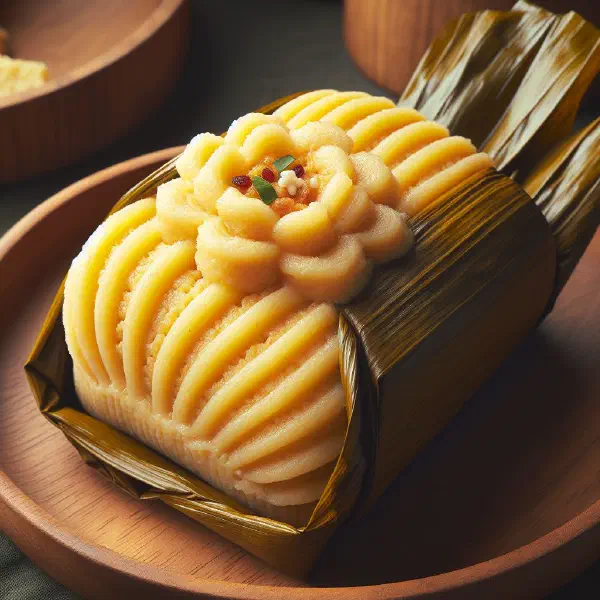
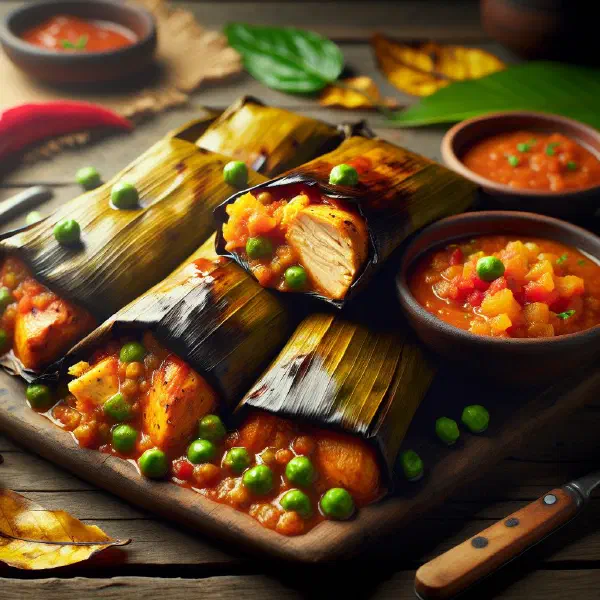
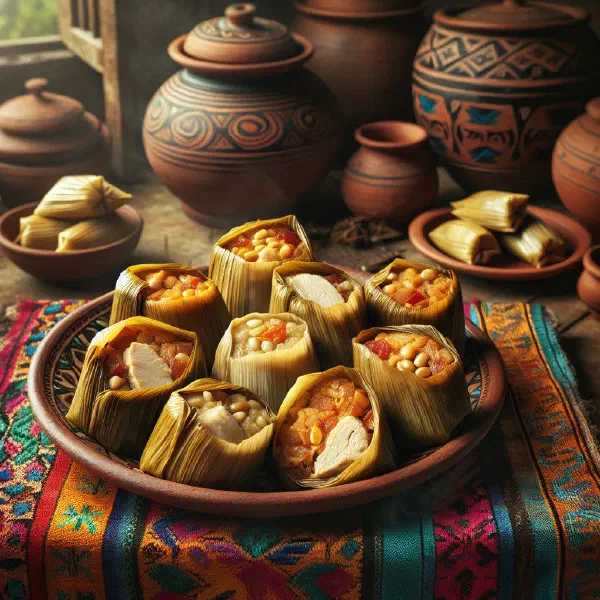
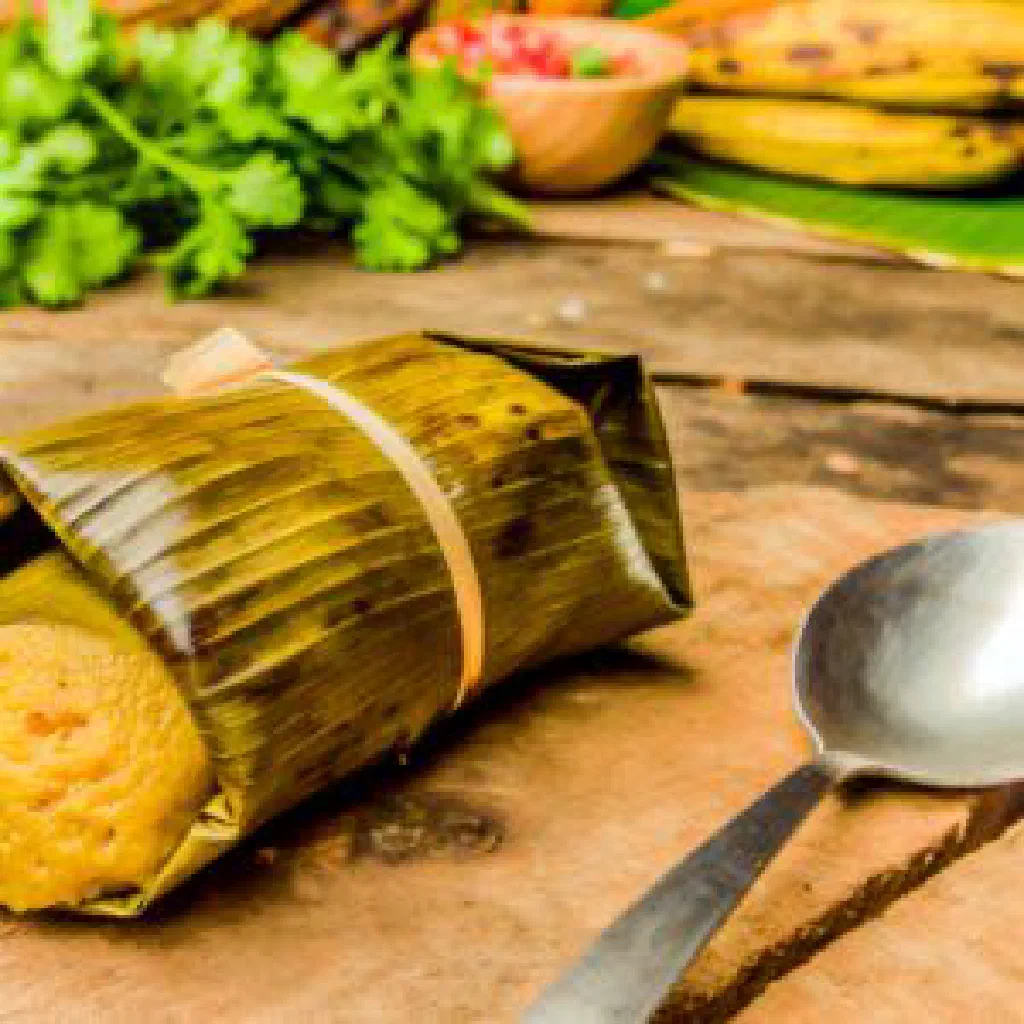
Meet Tamal de Cambray, one of Costa Rica’s most treasured festive dishes. These little corn masa parcels bring together sweet and savoury flavours in a way that feels wonderfully special. Wrapped in fragrant banana leaves and gently steamed, they are filled with tender meat or vegetables, olives and warming spices. A true highlight of the Costa Rican table, they turn any gathering into an occasion worth celebrating.
About Tamal de Cambray
Tamal de Cambray is a delicious and thoroughly Costa Rican dish, distinguished by its unique blend of sweet and savoury aromas. Originally developed by the indigenous peoples of Costa Rica, it has become a much-loved festival food that is often served on special occasions. At its heart are the tamales themselves, made from corn masa and a variety of fillings. The exact make-up varies from region to region and from cook to cook, yet the basic method stays reassuringly the same.
Ingredients (serves 1–2)
- 250 g corn masa flour
- 250 ml chicken or vegetable stock
- 100 g cooked, diced chicken or vegetables (such as carrots and peas)
- 50 g olives
- 1 tsp baking powder
- Salt to taste
- Banana leaves, for wrapping
Shopping for the ingredients
To gather everything you need for Tamal de Cambray, it is worth visiting a local supermarket or an international grocery. Basic ingredients such as corn masa flour are usually easy to find in any well-stocked shop. For specific fillings such as cooked chicken or vegetables, you can choose fresh produce or make use of ready-cooked options. Don’t forget to check that you have the everyday staples like salt and baking powder before you begin.
Preparing the dish
Preparing Tamal de Cambray is a crucial step that does much to determine the quality of the finished parcels. First, warm the stock and make sure that any fresh fillings have already been cooked and diced. Good preparation also means soaking the banana leaves, which serve as the wrapping for the tamales. These should be left to soak a few hours in advance so they become soft and pliable enough to fold.
Step-by-step instructions
- Drain the soaked banana leaves and cut them into neat rectangular pieces.
- Mix the corn masa flour thoroughly with the chicken stock and baking powder in a bowl until you have a smooth, even dough.
- Spoon a small amount of the dough onto a piece of banana leaf and spread it out evenly.
- Place the diced filling and olives in the centre, then fold the leaf up carefully around it.
- Steam the filled tamales in a steamer or a pot of water for about 1 to 1.5 hours.
- Once steamed, lift the tamales out, let them cool a little, and serve.
Gluten-free / lactose-free version
Tamal de Cambray lends itself beautifully to a gluten-free and lactose-free preparation, since the main ingredient, corn masa flour, is naturally free of gluten. Use vegetable stock in place of chicken stock to keep the dish lactose-free as well. Just take care that none of the ingredients you use have picked up traces of gluten during processing. This makes the dish a welcome option for anyone looking to avoid gluten-containing products.
Tips for vegans and vegetarians
For vegans and vegetarians there are plenty of ways to adapt Tamal de Cambray. Instead of chicken, you can use plant-based protein sources such as beans or tofu, both of which make a delicious filling. The vegetables in the filling can be varied to suit your taste too, giving you scope to create healthy and flavourful combinations. Remember to reach for fresh, seasonal produce to guarantee the fullest flavour, much as you would for a hearty Olla de Frijoles.
More tips and tricks
An important part of cooking Tamal de Cambray is getting the steaming technique right. Make sure there is always enough water in the steamer so the tamales cook evenly throughout. To deepen the flavour, herbs such as coriander and garlic can be added to either the dough or the filling. Another idea worth trying is combining different fillings to create your own unique flavour experiences.
Adapting the recipe to your taste
The lovely thing about the Tamal de Cambray recipe is its versatility. You can adjust the fillings or the seasonings to hit exactly the flavour you are after. Experiment with different cheeses, or add hot peppers for a bit of a kick. The possibilities are almost endless, leaving plenty of room for you to add your own personal touch.
Ingredient substitutions
If some ingredients prove hard to find, there are always alternatives that let you make Tamal de Cambray all the same. The corn masa flour, for instance, can be replaced with a mixture of rice flour and potato starch to achieve a similar dough. In place of banana leaves you can use foil to wrap the tamales, though this does alter the flavour a little. It is also worth seeing which seasonal products are available to add fresh aromas, in the same spirit as a bright Picadillo de Chayote.
Drink pairing ideas
A range of drinks pairs nicely with a delicious Tamal de Cambray and underlines the flavour of the meal. A traditional Horchata Tica (a rice-based drink) makes a refreshing accompaniment and harmonises perfectly with the dish’s savoury notes. Alternatively, a fresh fruit juice or a light, white craft beer rounds off the meal nicely. If you prefer something with alcohol, a margarita adds an extra fruity twist.
Serving and presentation ideas
Presentation can be decisive in serving Tamal de Cambray in an appealing way. Use fresh herbs to garnish the tamales and add a colourful salsa that looks as appetising as it tastes. An attractive, well-dressed serving platter heightens the effect and makes the dish even more inviting. Take care to arrange the tamales in a pleasing display to complete the overall picture.
A bit of history
Tamal de Cambray originally comes from the indigenous cooking of Costa Rica and has been preserved and refined across many generations. In the different regions of the country, each family has its own recipe with unique ingredients and methods. Traditionally the dish was prepared for festivals and celebrations, which gives it the special flair it still carries today. This culinary treasure reflects the culture and diversity of Costa Rican cuisine, sitting comfortably alongside classics such as Tamales and Gallo Pinto.
More recipe ideas
Summary: Tamal de Cambray
Tamal de Cambray is a delicious and versatile dish from Costa Rica, enjoyed just as happily at celebrations as in everyday life. Its distinctive flavour and creative filling variations make it a genuine highlight of Costa Rican cooking. With the tips and adjustments above, you can shape the recipe entirely to your own taste and create a memorable culinary experience. Whether savoury or sweet, Tamal de Cambray never fails to bring joy to the table.