National Dish Croatia: Biskupski Kruh (Recipe)
In this article
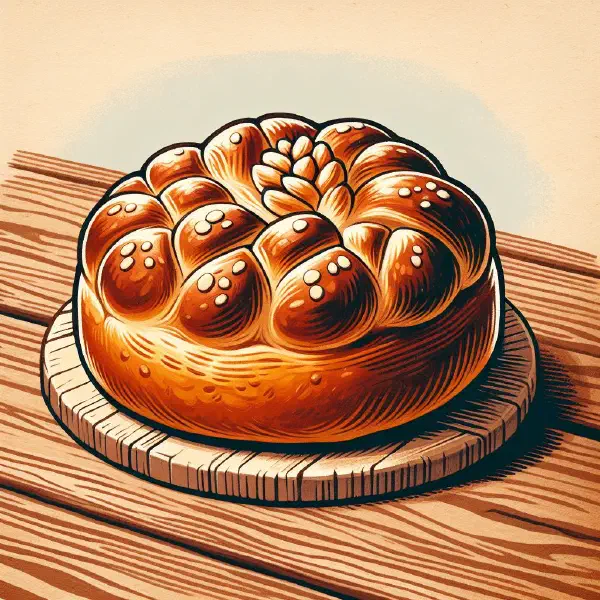
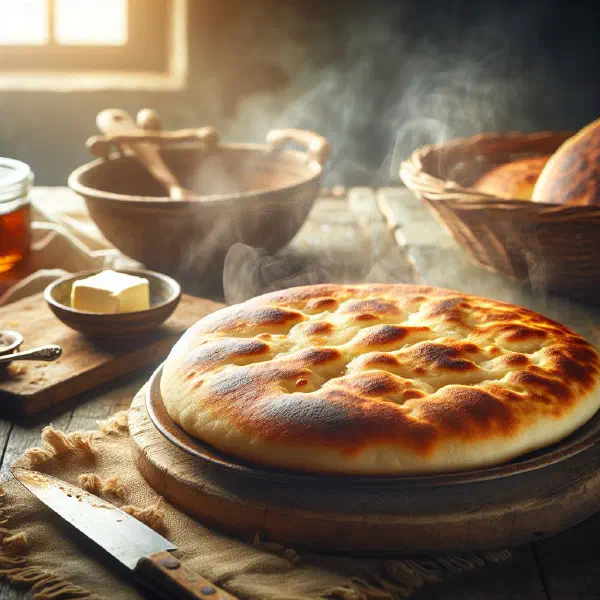
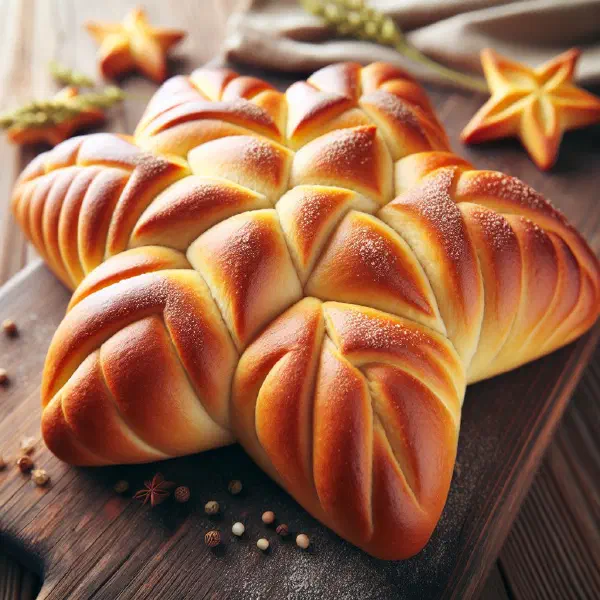
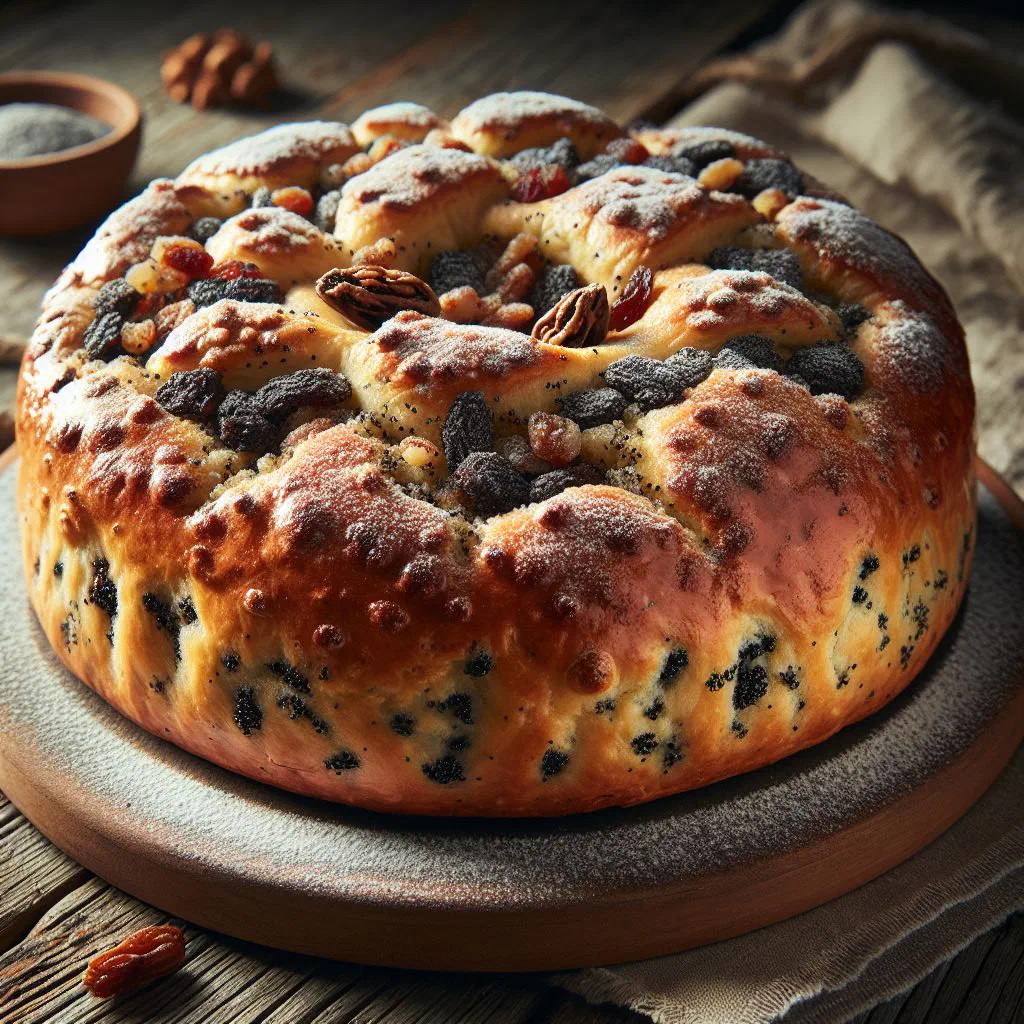
Meet Biskupski Kruh, a rustic Croatian loaf whose name translates as “bishop’s bread”, a nod to the legend that it was once baked for the tables of local bishops. With its sturdy crust, tender crumb and the gentle depth that comes from blending wheat and rye, it is honest, satisfying bread that belongs alongside hearty stews, cured meats or simply a drizzle of good olive oil. Bring a little of the Croatian countryside into your own kitchen with this approachable bake.
About Biskupski Kruh
Biskupski Kruh is a traditional Croatian bread celebrated as much for its history as for its flavour. The name “Biskupski” means “episcopal”, and legend has it that the loaf was once served in the households of local bishops. It is defined by its rustic shape and a wonderfully crisp crust that pairs beautifully with all manner of regional dishes. A combination of different flours and a touch of regional character turn this humble loaf into a genuine delicacy on the table.
Ingredients (serves 1–2)
- 250 g wheat flour
- 100 g rye flour
- 1 tsp salt
- 1 tsp sugar
- 7 g dried yeast
- 300 ml warm water
- 1 tbsp olive oil
Shopping for the ingredients
When shopping for Biskupski Kruh, it is worth choosing good-quality flours. The wheat flour gives the bread its light, airy structure, while the rye flour lends a particular depth and aroma. The salt and sugar matter too, as they help activate the dough and bring out its flavour. A spoonful of olive oil adds a fine finishing note and improves the texture, so the loaf turns out crisp on the outside and soft within.
Preparing the dish
Preparing Biskupski Kruh is wonderfully straightforward and needs only a few steps. Begin by combining the dry ingredients so they are evenly distributed throughout the mix. Next, add the warm water slowly to bring everything together into a smooth, homogeneous dough. After kneading, let the dough rest for a while so it can rise and the flavours have time to develop.
Step-by-step instructions
- Combine the wheat and rye flour with the salt, sugar and dried yeast in a large bowl.
- Pour in the warm water and the olive oil, then knead the dough thoroughly until it is smooth and supple.
- Cover the bowl with a tea towel and leave the dough to rest in a warm spot for about 1 hour.
- Once risen, shape the dough into a loaf and place it on a baking tray lined with baking paper.
- Bake the Biskupski Kruh in a preheated oven at 220 °C for 25–30 minutes, until golden brown.
- After baking, let the bread cool on a wire rack before slicing.
Gluten-free / lactose-free version
For a gluten-free version of Biskupski Kruh, you can use one of the special gluten-free flour blends now widely available in supermarkets. Be sure to choose a mix that rises well so the loaf keeps its structure. The recipe is already lactose-free, since it relies on olive oil rather than butter, making it suitable for anyone who is lactose intolerant. Enjoy it all the same as a side to a wide variety of dishes.
Tips for vegans and vegetarians
Biskupski Kruh is naturally vegan, as it contains no animal products whatsoever. Even so, do check that every ingredient is genuinely plant-based, particularly the flour and the olive oil. You can add herbs or spices to give the loaf a little extra character. Serve it with vegan dips or spreads to turn a simple slice into a satisfying meal.
More tips and tricks
To make the crust of Biskupski Kruh especially crisp, place a heatproof dish of water in the oven while it bakes. The steam helps the crust develop perfectly. It is also worth experimenting with different flours and additions such as nuts or seeds to add your own personal touch. For storage, keep the bread in a cotton bag to preserve its freshness, much as you would a Kornatski Kruh.
Adapting the recipe to your taste
The recipe for Biskupski Kruh is easy to adjust to suit your own preferences. Add herbs such as rosemary or thyme, for example, to give the loaf an aromatic lift. The amounts of salt and sugar can also be varied to taste. Beyond that, you can experiment by combining different flours to achieve a range of flavours and textures.
Ingredient substitutions
If you have no dried yeast to hand, fresh yeast works just as well. Simply dissolve the cube in warm water before adding the remaining ingredients. For a gluten-free loaf, the rye flour can be replaced with buckwheat or rice flour. Substitutions like these let you bake the bread to your own liking without sacrificing its distinctive character, just as a swap or two transforms a classic Pogača.
Drink pairing ideas
Biskupski Kruh goes splendidly with a range of drinks that underline the loaf’s flavours. A light, fruity white wine such as a Graševina is ideal for accompanying its rustic notes. Homemade lemonade or a herbal tea make lovely companions too, especially if you are serving the bread at a picnic or a barbecue.
Serving and presentation ideas
To present Biskupski Kruh at its best, arrange it on a rustic wooden board. Serve it with suitable dips such as olive oil with balsamic, or a spoonful of Ajvar alongside. Fresh herbs can be used as a garnish to create a visually appealing effect. Remember to keep the bread warm before serving, so its aroma comes through at its finest.
A bit of history
The roots of Biskupski Kruh reach deep into Croatian history, where it was originally known as the bread of bishops. It reflects the agricultural traditions and local culture that run strong throughout Croatia. This kind of bread is often served at festivals, holidays and special occasions, which underlines its place in Croatian society. Through its time-honoured method of preparation, it keeps alive the customs that are a proud part of Croatian cuisine, handed down across the generations.
More recipe ideas
Summary: Biskupski Kruh
In short, Biskupski Kruh is far more than a simple loaf. It is a genuine piece of Croatian culture brought to your table. It is versatile, easy to prepare and pairs with countless dishes, or can be enjoyed on its own. By using good-quality ingredients and following time-honoured methods, it offers a taste experience that reflects both its origins and a real passion for good food. Give it a try and bring a flavour of the Balkans into your own kitchen.