National Dish Czechia: Pečené Vepřové Koleno (Recipe)
In this article
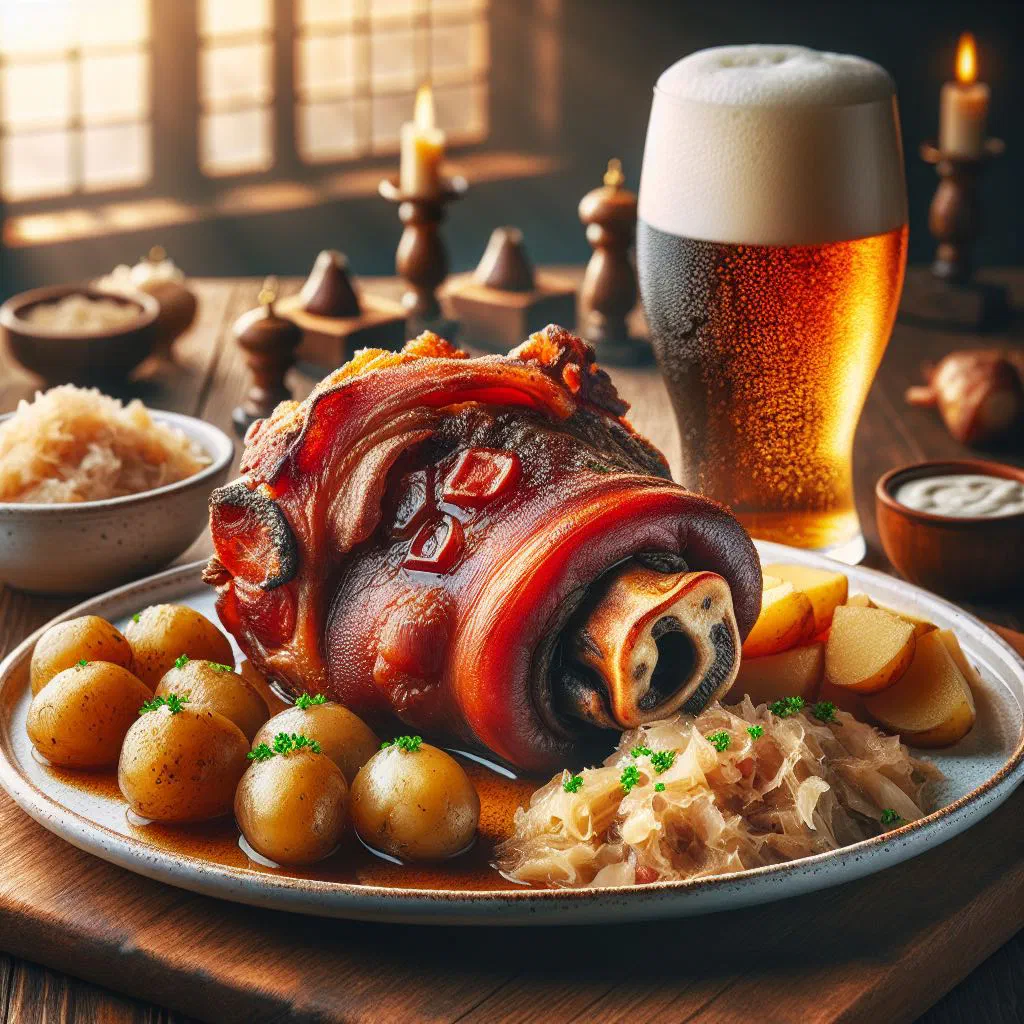
Say hello to Pečené Vepřové Koleno, the gloriously crispy roasted pork knuckle that stands proud among the Czech Republic’s best-loved dishes. Underneath its crackling, golden skin waits tender, deeply seasoned meat that all but falls from the bone. Fragrant with caraway and mellow roasted garlic, and traditionally served with tangy sauerkraut and a hunk of crusty bread, it is hearty pub cooking at its most satisfying. Bring a taste of a Prague beer hall to your own table with this rewarding roast.
About Pečené Vepřové Koleno
Pečené Vepřové Koleno, also known simply as pork knuckle, is one of the most popular national dishes of the Czech Republic. It wins people over with its wonderful flavour and with the way it is cooked. The knuckle is traditionally roasted until crisp, giving the skin an uniquely crackling texture. The tender, juicy meat beneath is perfectly seasoned and pairs beautifully with classic sides such as sauerkraut and crusty bread. It is a dish made for sharing and for good company.
Ingredients (serves 1–2)
- 1 pork knuckle (about 1 kg)
- 2 onions
- 4 cloves of garlic
- 1 litre stock (pork or vegetable)
- 2 tablespoons mustard
- 1 teaspoon caraway seeds
- Salt and pepper, to taste
- 1 tablespoon oil
- Sauerkraut, to serve
- Crusty bread
Shopping for the ingredients
When it comes to Pečené Vepřové Koleno, freshness and quality should come first. Visit your local butcher for the pork knuckle to make sure you are getting a good, well-sourced cut of meat. Picking up fresh vegetables such as onions and garlic matters just as much for the full depth of flavour. Many supermarkets also stock ready-made sauerkraut, but making your own is a superb way to intensify the aromas of the finished dish.
Preparing the dish
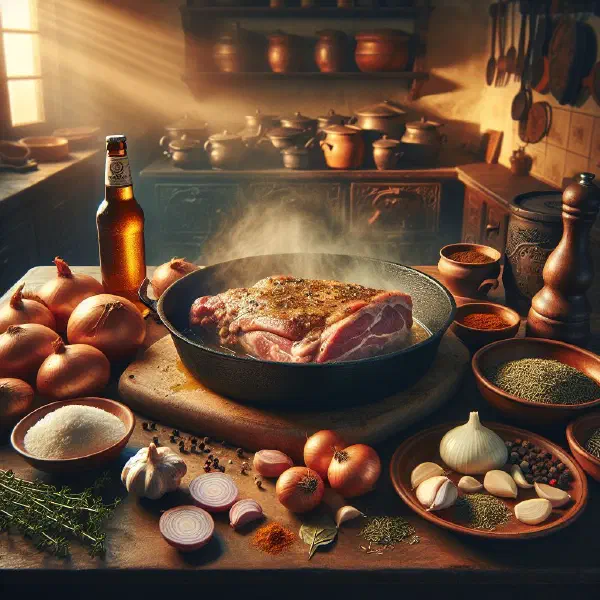
Before you start cooking the Pečené Vepřové Koleno, good preparation makes all the difference. First, rinse the knuckle thoroughly and pat it dry. Next, rub it all over with mustard before scattering on the seasonings, salt, pepper and caraway. Leave the knuckle to marinate in the fridge for a few hours, or ideally overnight, so the flavours have time to work their way into the meat.
Step-by-step instructions
- Preheat the oven to 180°C.
- Heat the oil in a large roasting pan and sauté the onions and garlic until golden brown.
- Add the marinated knuckle to the pan and brown it on all sides.
- Pour in the stock and cover the pan with aluminium foil.
- Roast the knuckle in the oven for about 2 hours, then remove the foil so it can crisp up.
- Continue roasting for a further 30–45 minutes, until the skin is golden and crackling.
- Let the knuckle rest for a few minutes before serving.
Gluten-free / lactose-free version
Pečené Vepřové Koleno is easily made gluten-free and lactose-free. Simply choose a gluten-free stock to keep the whole dish free of gluten. The meat itself is naturally lactose-free, as it contains no dairy at all. When serving, steer clear of sides that contain gluten or lactose, certain breads, for example, and reach for gluten-free bread or fresh vegetables as an alternative accompaniment instead.
Tips for vegans and vegetarians
Although Pečené Vepřové Koleno is traditionally built around pork, vegans and vegetarians can still share in the pleasures of Czech cooking. One appealing option is to use a plant-based meat alternative prepared in a similar way, a piece of seitan or tofu, for instance, marinated and then roasted until crisp. The classic sides of sauerkraut and crusty bread are, of course, easy to keep entirely vegan, resulting in a tasty and creative meal that loses none of its comfort.
More tips and tricks
To get the very best from your Pečené Vepřové Koleno, a few pointers are worth keeping in mind. Marinating overnight delivers a far more intense flavour. Lend the dish an extra layer of aroma by adding herbs such as thyme or rosemary. Basting the knuckle regularly as it roasts also helps keep the meat juicy and stops it drying out. For an especially crackling skin, turn the temperature up for the final few minutes of cooking.
Adapting the recipe to your taste
The Pečené Vepřové Koleno offers plenty of scope to suit your own preferences. If you like things spicier, add a little chilli powder or paprika to the seasoning mix. For a sweeter note, work a touch of honey or maple syrup into the rub before roasting. The sides can vary too. Try steamed vegetables or potatoes as alternatives to sauerkraut and bread. Its rich, savoury profile sits right at home among other Czech classics such as Pork Goulash, so it is well worth getting creative and combining different flavours.
Ingredient substitutions
If a few ingredients for the Pečené Vepřové Koleno are not to hand, there are plenty of alternatives. Instead of the classic pork knuckle, a knuckle of lamb or beef can be used, giving the dish a different but equally delicious character. Vegetable stock can stand in for the meat stock to make the dish vegetarian. You can be inventive with the seasonings too; in place of caraway, try other herbs and spices such as oregano or basil to discover new flavour directions.
Drink pairing ideas
A hearty dish like Pečené Vepřové Koleno deserves well-chosen drinks to go alongside. A classic Czech beer, Pilsner Urquell or Budweiser Budvar, say, is the perfect match for rounding out the flavours. Wine lovers might reach for a robust red such as a Merlot or a cuvée. Alcohol-free options work wonderfully too: a homemade apple cider or a lively lemonade will accompany the meal beautifully without distracting from the taste.
Serving and presentation ideas
Presentation can make all the difference to the Pečené Vepřové Koleno experience. Serve the knuckle on a rustic wooden board to underline its traditional character. Garnish with fresh herbs such as parsley or chives to add colour and freshness. Sides like the tangy Kysele Zeli also deserve an attractive touch, served in a separate bowl. Thoughtfully arranged plates not only look good but turn the meal into a genuine occasion.
A bit of history
The roots of Pečené Vepřové Koleno reach far back into Czech history and reflect the country’s traditional home cooking. This dish is more than a symbol of Czech hospitality; it is often served at celebrations and festivals. Cooking and eating hold a high place in Czech culture, and preparing the knuckle calls for patience and dedication. Over centuries of tradition the recipe has evolved, with various regional variations emerging that make it an ever more distinctive part of Czech cuisine.
More recipe ideas
Summary: Pečené Vepřové Koleno
In short, Pečené Vepřové Koleno is a genuine treat for anyone who loves good food. This traditional Czech dish appeals to with its crackling skin and tender meat. Its straightforward preparation and the wealth of possible sides and drinks make it an excellent choice for convivial evenings. Bring a little Czech flair into your own kitchen with this recipe and enjoy the hearty, delicious cooking of the Czech Republic.