National Dish Czechia: Švestkové Knedlíky (Recipe)
In this article
Meet Švestkové Knedlíky, the beloved Czech plum dumplings that turn a handful of ripe fruit into pure comfort. Soft potato dough is wrapped around whole, juicy plums, gently simmered, then finished with a shower of sugar and a generous drizzle of melted butter. Sweet, warming and wonderfully homely, they are just as happy served as a dessert or as a light main course. Bring a taste of the Bohemian countryside straight to your own kitchen.
About Švestkové Knedlíky
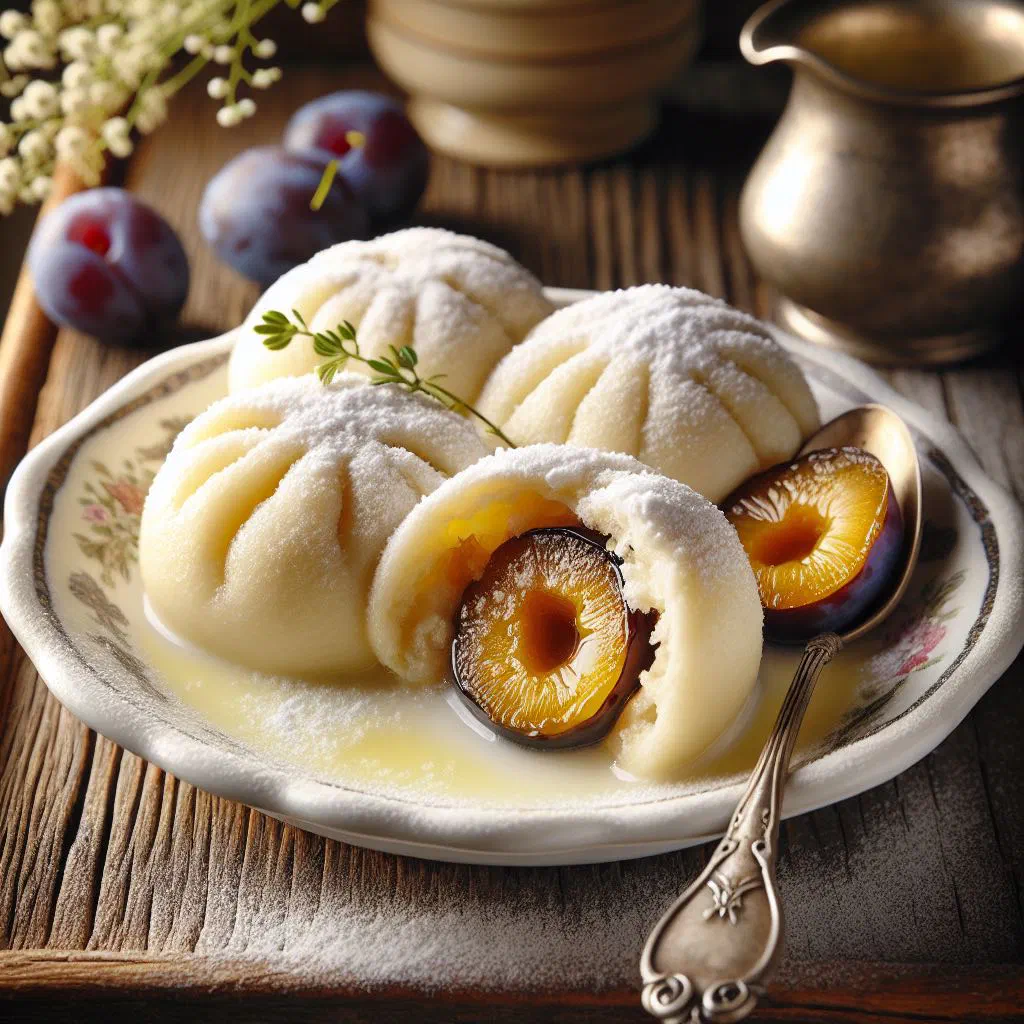
Švestkové Knedlíky are a classic of Czech cuisine, made chiefly from a soft potato dough. Each dumpling is filled with a whole plum that turns tender and fragrant as it cooks. The dish has a long tradition in the Czech Republic and is usually served with sugar and melted butter. These sweet dumplings work beautifully as a dessert or even as a satisfying sweet main course that gently indulges the palate.
Ingredients (serves 1–2)
- 300 g potatoes
- 100 g flour (or gluten-free flour)
- 1 egg
- A pinch of salt
- 600 g plums
- Sugar, for dusting
- Melted butter, to serve
Shopping for the ingredients
When shopping for Švestkové Knedlíky, pay close attention to the quality of the plums, as they are the heart of the dish. Look for ripe, sweet fruit with good colour and a firm, plump texture. The flour can be swapped for a gluten-free version if you prefer, making the recipe more accessible to anyone with a gluten intolerance. Potatoes can be bought fresh or pre-cooked, though fresh potatoes give the best flavour of all.
Preparing the dish
Preparing Švestkové Knedlíky is straightforward, but it does call for a little patience and care. Begin by boiling the potatoes and then mashing them to a smooth purée. Let the purée cool completely before adding the flour and egg. The dough then kneads easily into a soft, pliable mixture that wraps around the plums with no trouble at all.
Step-by-step instructions
- Boil the potatoes in water until soft, then drain and mash them.
- Combine the cooled potato purée with the flour, egg and a pinch of salt, and knead to a smooth dough.
- Stone the plums and dust them with a little sugar if you like.
- Divide the dough into small portions, flatten each one and wrap it around a plum.
- Drop the dumplings into boiling water and cook for 8–10 minutes, until they rise to the surface.
- Lift out the finished dumplings carefully and drain, then serve with sugar and melted butter.
Gluten-free / lactose-free version
For a gluten-free version of Švestkové Knedlíky, use gluten-free flour, which blends nicely with the potato dough. Make sure every other ingredient is gluten-free too, to avoid any cross-contamination. For a lactose-free version, swap the melted butter for plant-based butter or margarine without losing any of the flavour. The recipe is so adaptable that it suits a wide range of dietary needs.
Tips for vegans and vegetarians
For vegans, the recipe can be adapted by leaving out the egg or replacing it with a vegan egg substitute. Many cooks use apple purée or flaxseed water, for example, to help bind the dough. The dumplings stay just as delicious despite these changes and slot easily into a plant-based kitchen. Vegetarians have an even simpler time of it, as they can use the traditional ingredients without any adjustments.
More tips and tricks
Among the most useful tips for making Švestkové Knedlíky is to stone the plums carefully, so they stay moist and aromatic. The choice of fruit matters too, sweet, plump plums are by far the best. It also helps to cook the dumplings in gently boiling water so they cook evenly without falling apart. Getting the ratio of potatoes to flour right is likewise key to a perfect dough. If you love working with sweet dumplings, you might also enjoy the curd-filled Tvarohové Knedlíky.
Adapting the recipe to your taste
You can tailor the recipe to your own preferences by using different types of fruit. Apples or preserved cherries are popular variations too. A pinch of cinnamon in the dough lends the dish a comforting, spiced note. Take the chance to experiment with different flavours and discover your own perfect version.
Ingredient substitutions
When making Švestkové Knedlíky, a few ingredients can be swapped to create new flavour experiences. Instead of plums, try other fruit such as apricots or blueberries. You can also replace the flour with almond or rice flour, which lends the dish an interesting character. Substitutions like these are not only creative but open up fresh flavours and combinations for every palate.
Drink pairing ideas
Drinks that pair well with Švestkové Knedlíky include a light Czech white wine or a fruity juice to echo the sweetness of the dessert. A cool, dry cider makes for another refreshing option. For an alcohol-free choice, freshly pressed plum juice is ideal for complementing the flavour of the dish, much like the fruit at the heart of a Slivovicový Kompot. Little touches like these turn every meal into a harmonious experience.
Serving and presentation ideas
An attractive presentation of Švestkové Knedlíky can be achieved with pretty plates or bowls. Serve the dumplings on a colourful cloth or a rustic wooden surface to give the dish a festive feel. It is also worth drizzling the dumplings with melted butter in a light zigzag and garnishing with mint or icing sugar to taste. These small details can add a great deal to the enjoyment.
A bit of history
Švestkové Knedlíky have their origins in traditional Czech cuisine and rank among the country’s most cherished dishes. Dumpling-making has a long history in Central Europe, reaching back to the Middle Ages. This sweet variety was developed to celebrate the plum harvest and has remained a fixture in many Czech households to this day. The recipe is often handed down from generation to generation, giving the dumplings a nostalgic value all their own.
More recipe ideas
Summary: Švestkové Knedlíky
Švestkové Knedlíky are a culinary highlight of Czech cuisine. With their combination of tender potato dough and aromatic plums, they are a delicious choice as both a dessert and a main course. Their versatility, and the freedom to adapt the recipe to your own taste, make them a dish everyone should try. Let this traditional recipe cast its spell and bring a little piece of the Czech Republic into your kitchen.