National Dish Denmark: Æggekage (Recipe)
In this article
Meet Æggekage, the wonderfully simple Danish egg cake that sits somewhere between an omelette and a baked frittata. Fluffy, golden and studded with fresh herbs and vegetables, it is the sort of dish Danish households turn to for a leisurely breakfast, a generous brunch or a light lunch. Best of all, it asks very little of you: a few eggs, whatever vegetables are lurking in the fridge, and a hot pan. Bring a taste of Danish home cooking to your own kitchen.
About Æggekage
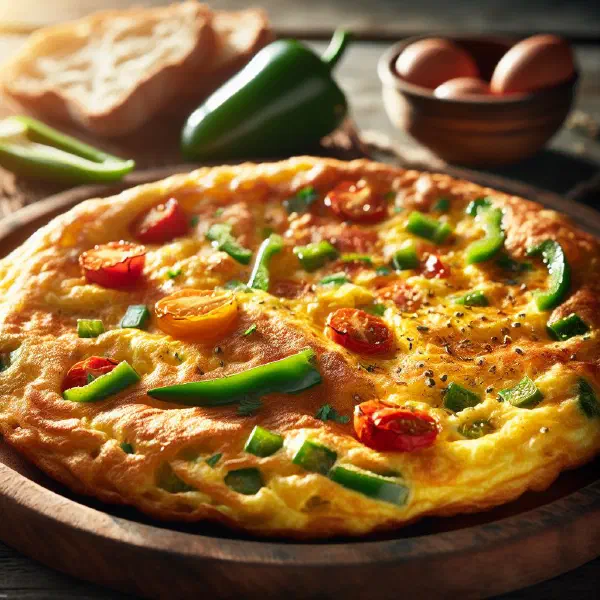
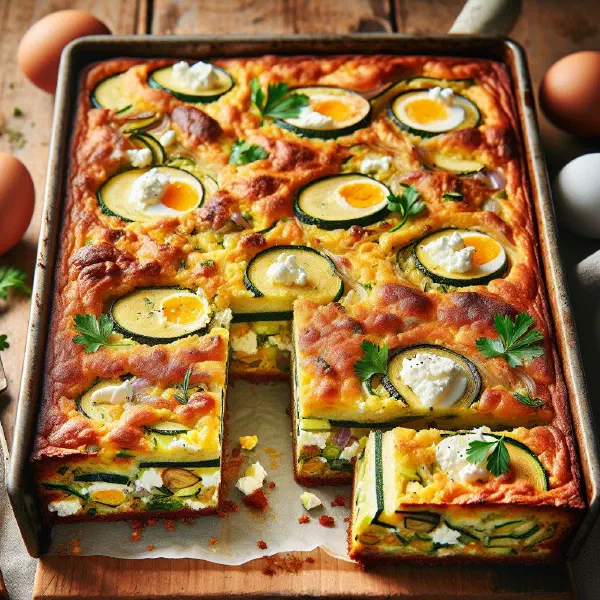
Æggekage is a Danish national dish celebrated for its simplicity and its versatility. It closely resembles an omelette, but is usually finished in the oven and can carry a whole range of fillings depending on what you fancy. The star ingredient is eggs, combined with fresh vegetables, herbs and, if you like, meat or fish. In Denmark, æggekage is served as breakfast, brunch or a light midday meal, and it is a brilliant way to use up leftover vegetables.
Ingredients (serves 1–2)
- 3–4 eggs
- 100 ml milk
- 1 small onion, finely chopped
- 1 small pepper, diced
- 1 handful of herbs (parsley or chives, for example)
- Salt and pepper to taste
- 20 g butter or oil for frying
Shopping for the ingredients
When shopping for æggekage, it pays to choose local, seasonal produce. Visit a weekly market or a trusted supermarket to find good-quality eggs and fresh vegetables. Milk can be whichever kind you prefer, whether whole or semi-skimmed. Do buy the herbs fresh if you can. They give the dish its particularly fragrant character, much as they do in a classic Stegt Flæsk med Persillesauce.
Preparing the dish
Getting ready for æggekage is quick and straightforward. Begin by cracking the eggs into a bowl and whisking them together with the milk. Add a pinch of salt and pepper to season. Then fold the diced vegetables and the chopped herbs through the egg mixture and stir well, so that everything is evenly distributed before it hits the pan.
Step-by-step instructions
- Preheat the oven to 180 °C.
- Melt the butter or oil in an ovenproof pan over medium heat.
- Add the onion and fry until soft and lightly golden.
- Tip in the remaining vegetables and cook briefly alongside.
- Pour the egg mixture over the vegetables and let it set on the hob for 2–3 minutes.
- Transfer the pan to the preheated oven and bake the æggekage for 15–20 minutes, until the top is golden and firm.
- Remove from the oven and let it cool slightly before cutting into wedges and serving.
Gluten-free / lactose-free version
For a gluten-free take on æggekage, consider milk alternatives such as almond or oat milk, and check that the remaining ingredients, vegetables and seasonings alike, are free from gluten. Anyone avoiding lactose will find the same plant-based milks an excellent option. Thanks to the sheer variety available today, the flavour stays intact and the dish remains suitable for almost any diet.
Tips for vegans and vegetarians
To make æggekage vegan, the eggs can be replaced with a batter of chickpea flour and water. This mixture behaves much like egg and binds the other ingredients nicely. Use plant-based milk alternatives too, and swap the butter for oil. The dish stays vegan without losing either its lovely flavour or its texture.
More tips and tricks
A few small touches will improve any æggekage. Use fresh herbs for the fullest flavour and aroma, and experiment with different vegetables to create your own version. A handful of grated cheese adds another layer of savoury depth, so do not be afraid to get creative, the same generous spirit that makes Biksemad such a satisfying leftovers dish.
Adapting the recipe to your taste
The æggekage formula can be adapted in countless ways to suit different palates. If you prefer something heartier, add bacon or ham for a savoury kick. For a lighter version, spinach and other leafy greens work beautifully. The possibilities are endless, which is exactly what makes every æggekage a personal culinary experience.
Ingredient substitutions
If you do not have everything to hand, there are plenty of alternatives. Instead of onions, use leeks or spring onions for a milder note. Dried herbs can stand in for fresh ones, though the fresh flavour is hard to beat. Experiment with different vegetables according to the season or your own preferences.
Drink pairing ideas
Æggekage pairs happily with a range of drinks that round out its flavour. Freshly squeezed orange juice is a natural match and brings a fruity contrast to the savoury eggs. For a heartier breakfast, coffee or a herbal tea works nicely. For something more distinctly Danish, a glass of Hindbaerbrus will pleasure younger diners.
Serving and presentation ideas
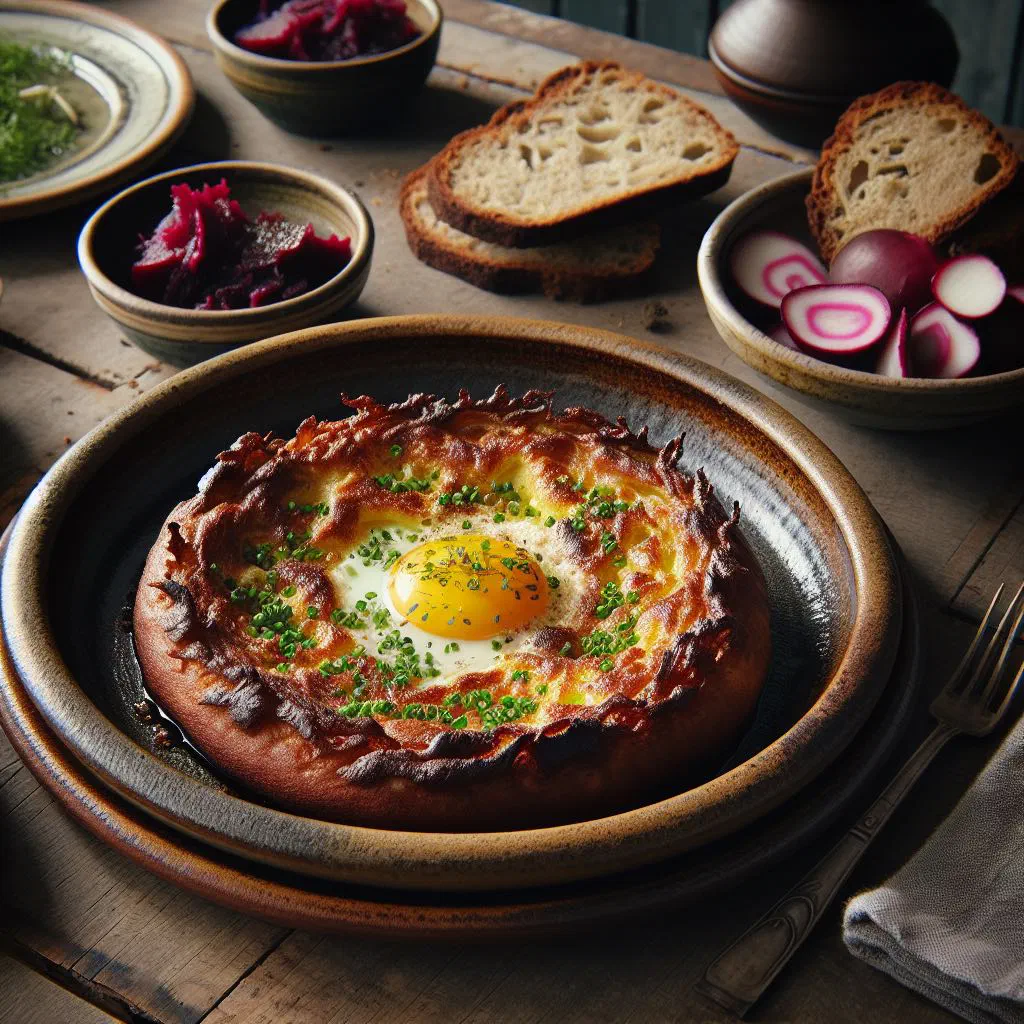
Presentation can lift the whole æggekage experience. Serve it on an attractive plate and garnish with fresh herbs or a slice of lemon. A colourful vegetable side or a light salad, a spoonful of Rodbedesalat, perhaps, adds further interest. Serving everything with handsome utensils rounds off the visual impression.
A bit of history
Æggekage has its roots in traditional Danish cooking, a tradition defined by simplicity and by the use of regional produce. The dish reflects the Danish fondness for fresh, nourishing food, and it has long been regarded as a restorative meal to get you back on your feet. Historically it was often made in busy times, precisely because it comes together so quickly. Today it remains a favourite in family kitchens and in traditional restaurants serving Danish cuisine alike.
More recipe ideas
Summary: Æggekage
In short, æggekage is a versatile and straightforward dish firmly anchored in Danish cooking. It offers endless scope for adaptation and works just as well for special occasions as for everyday meals. With fresh ingredients and a dash of creativity, anyone can put together their own delicious version. Give it a go and let the range of flavours win you over.