National Dish Denmark: Flæskesteg (Recipe)
In this article
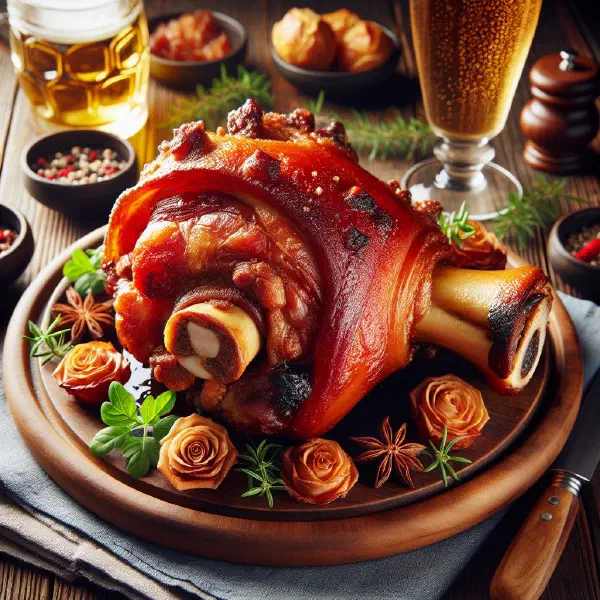
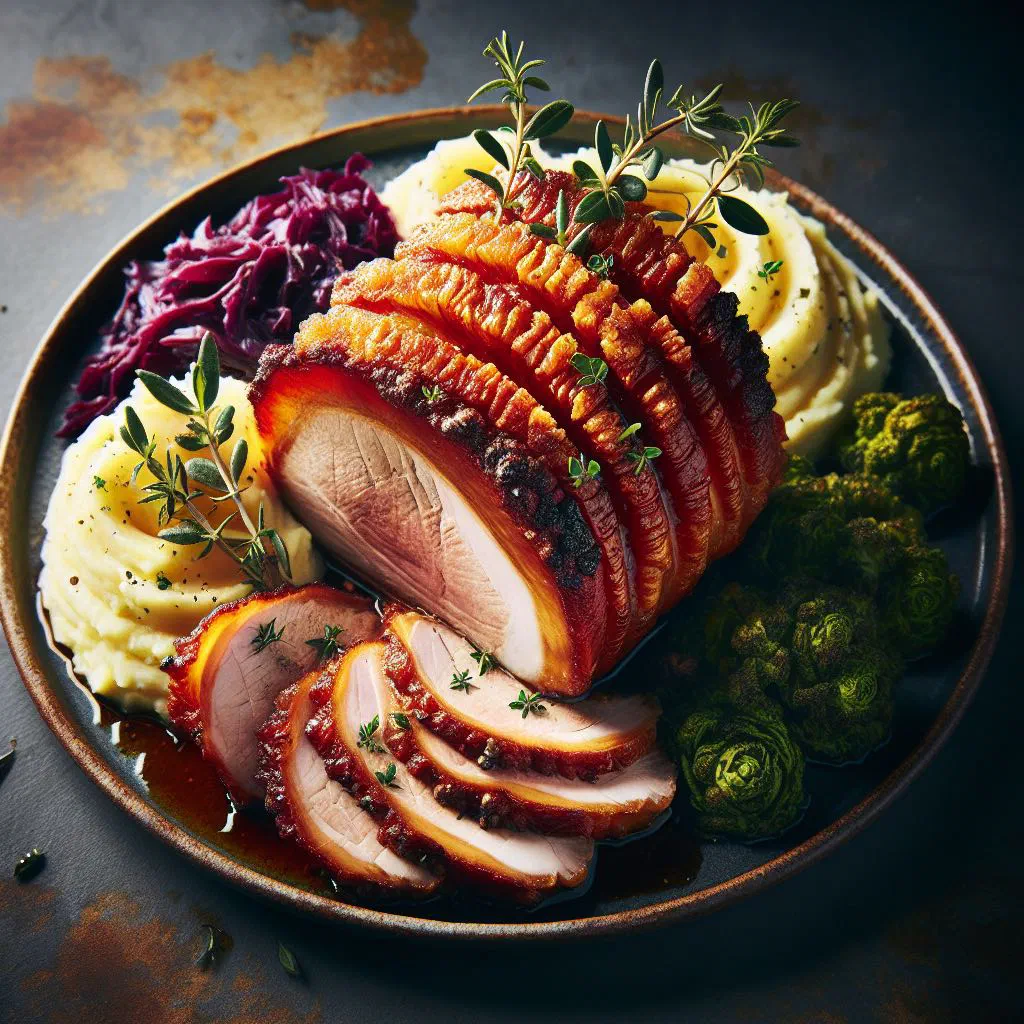
Meet Flæskesteg, the roast that Denmark reserves for its very best occasions. A joint of pork is scored, salted and sent into a hot oven until the rind shatters into glassy crackling while the meat beneath stays juicy and tender. It is the centrepiece of Christmas tables and family celebrations across the country, and the smell alone is enough to gather everyone into the kitchen. With a little patience, this Danish classic is entirely within reach at home.
About Flæskesteg
Flæskesteg is far more than a Sunday roast; it is a symbol of Danish cookery and appears whenever there is something worth celebrating. The dish is built around succulent pork and is famous above all for its crisp, crackling rind. The craft lies in cooking the joint to just the right point, so that the outside snaps and the inside stays soft and moist. For many Danes the dish is inseparable from family gatherings and festive occasions, which gives it a cultural weight few other dishes can match.
Ingredients (serves 1–2)
- 500 g pork joint with the rind on
- Salt
- Pepper
- Water
- 1 tsp caraway seeds (optional)
- 1 tsp garlic powder (optional)
Shopping for the ingredients
When shopping for the ingredients for flæskesteg, choosing good-quality pork makes all the difference. Pay particular attention to the rind, since this is what delivers the all-important crunch. Visit a trusted butcher who sells fresh meat, or look for regional suppliers in your supermarket. Spices such as caraway and garlic powder should be of decent quality too, so that the full flavour comes through, the same care that pays off in a hearty Gammeldags Oksesteg.
Preparing the dish
To produce the tastiest flæskesteg, careful preparation is essential. Begin by scoring the rind of the joint in a diamond pattern, cutting through the skin but stopping short of the meat itself. This is what allows the crackling to crisp up beautifully later on. Then rub the meat generously with salt and pepper to intensify the flavour, and leave it to rest for a few hours at room temperature.
Step-by-step instructions
- Preheat the oven to 220 °C.
- Place the prepared pork joint in a roasting tin.
- Pour water into the tin to help the heat spread evenly.
- Roast for around 1.5 hours, until the crackling is golden brown and crisp.
- Baste the rind with the pan juices now and then so it does not dry out.
- Once the cooking time is up, take the joint out of the oven and let it rest briefly before carving.
Gluten-free / lactose-free version
Flæskesteg is naturally gluten-free and lactose-free, since it calls for nothing more than pork and seasoning. Just take care with the side dishes: choose gluten-free potato dishes or a Rodkal made without additives.
Tips for vegans and vegetarians
There are creative ways for vegans and vegetarians to capture the spirit of flæskesteg. Instead of a pork joint, try seitan or a whole roasted cauliflower for a comparable eating experience. The spices and the method stay exactly the same, so the result is every bit as satisfying. Experiment with different seasonings and sauces to vary the flavour to your liking.
More tips and tricks
A perfect flæskesteg takes attention and a little practice, but anyone can master it with the right pointers. Keep basting the rind with the pan juices for an even, golden colour. Letting the meat rest after roasting allows the juices to redistribute, which makes for a noticeably juicier result. A splash of cider in the pan liquid adds a lovely extra note.
Adapting the recipe to your taste
Every recipe can be tuned to personal preference. Add herbs such as rosemary or thyme for a deeper savoury character, or reach for chilli-based spices if you want a bit of heat. Play with the balance of salt and pepper until it hits exactly the right note for your palate. The joint also takes well to being served in the Danish style alongside Kartoffelmos Med Brun Sovs.
Ingredient substitutions
There are always alternatives that suit different tastes. In place of the pork joint you could use chicken breast or fish fillets for a lighter version. Different spices are worth trying too, smoked paprika, for instance, brings a gently smoky aroma. Be adventurous and try new combinations to create your own take on flæskesteg.
Drink pairing ideas
A hearty flæskesteg pairs happily with a wide range of drinks. A good Danish beer complements and underlines the flavours beautifully. A fresh, light red wine is another fine choice, balancing the richness of the meat without overwhelming it. Non-alcoholic options such as homemade lemonade or a chilled Hindbaerbrus make refreshing company.
Serving and presentation ideas
An attractive presentation makes the whole meal more enjoyable. Serve the flæskesteg on a large wooden board for a rustic feel, and arrange the sides, red cabbage and potatoes, around the joint to create an inviting picture. A good gravy in a separate jug rounds off the spread and lets guests help themselves as generously as they please.
A bit of history
Flæskesteg has a long tradition in Danish cuisine, reaching back to the 19th century. It was originally prepared by families at festive times to give special occasions a little more significance. The combination of crisp crackling and tender meat turned it into a much-loved dish that came to represent the taste of Denmark itself. Today flæskesteg is not merely a recipe but a genuine part of Danish identity, standing alongside classics such as Frikadeller.
More recipe ideas
Summary: Flæskesteg
In short, flæskesteg is a delicious and deeply traditional Danish dish that appeals to the palate while carrying real cultural meaning. With its crisp crackling and tender meat, it is made for celebration. The preparation is refreshingly straightforward and easily adapted to personal taste, turning any meal into an occasion. Give flæskesteg a try and discover the wonderful layers of flavour that Danish cooking has to offer.