National Dish Denmark: Grønlangkål (Recipe)
In this article
Discover Grønlangkål, the creamed kale that Danes bring to the table every winter. Silky, gently spiced and deeply comforting, it turns a humble leafy green into something quietly luxurious. A whisper of nutmeg, a generous pour of cream and a slow simmer are all it takes. Bring a little Scandinavian tradition into your own kitchen with this timeless classic.
About Grønlangkål
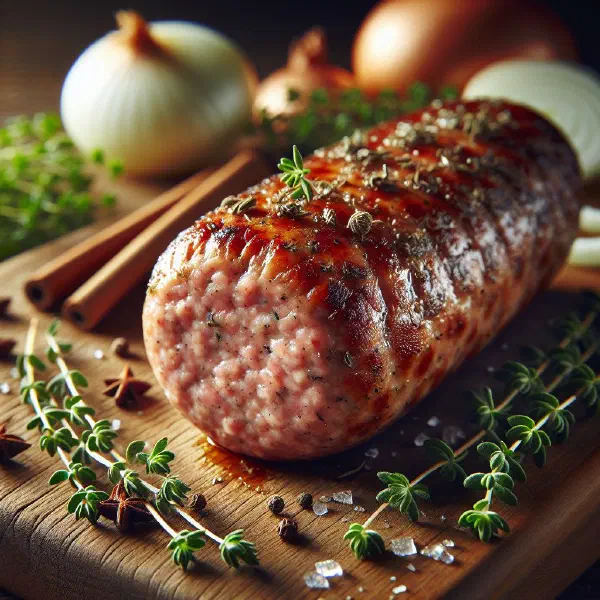
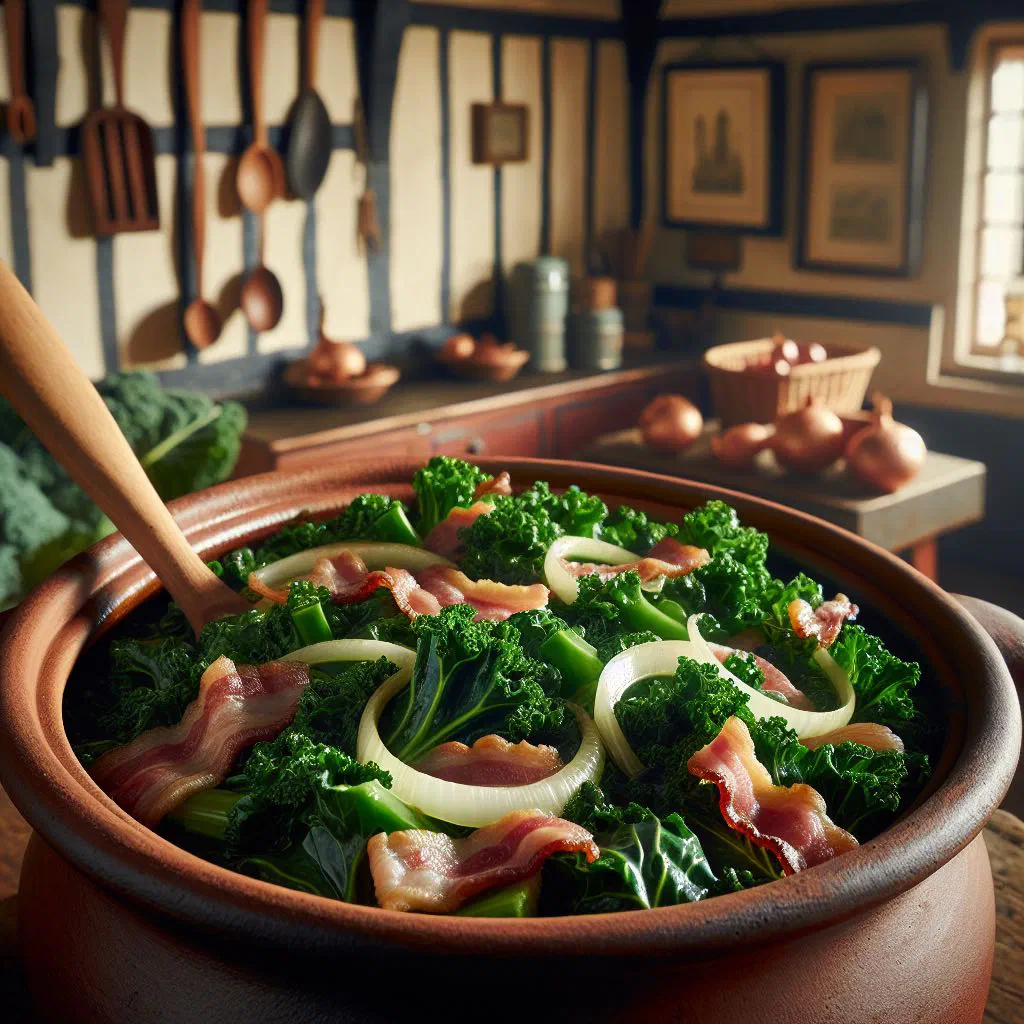
The Danish dish Grønlangkål is a genuine celebration of flavour and a fixture of Nordic cooking. This hearty, tender kale dish is especially popular through the winter months and counts as a classic Danish national dish. It brings kale together with a handful of warming spices and the characteristic creamy sauce that gives the dish its unmistakable taste. Grønlangkål is often served with sausage or a pan-fried cutlet, and it is the perfect addition to a traditional Danish festive spread.
Ingredients (serves 1–2)
- 300 g fresh kale
- 1 onion
- 2 tablespoons butter or margarine
- 200 ml single cream, or a plant-based alternative
- 1 teaspoon grated nutmeg
- Salt and pepper, to taste
- Optional: 100 g sausages or fried meat
Shopping for the ingredients
When shopping for grønlangkål, the freshness of the kale matters most. Look for leaves that are vividly green and crisp rather than limp or yellowing. The onions should be firm and free of soft or bruised patches. Most of the other ingredients, such as cream and butter, are easy to find in any supermarket, though it is well worth seeking out good-quality products for the best possible flavour.
Preparing the dish
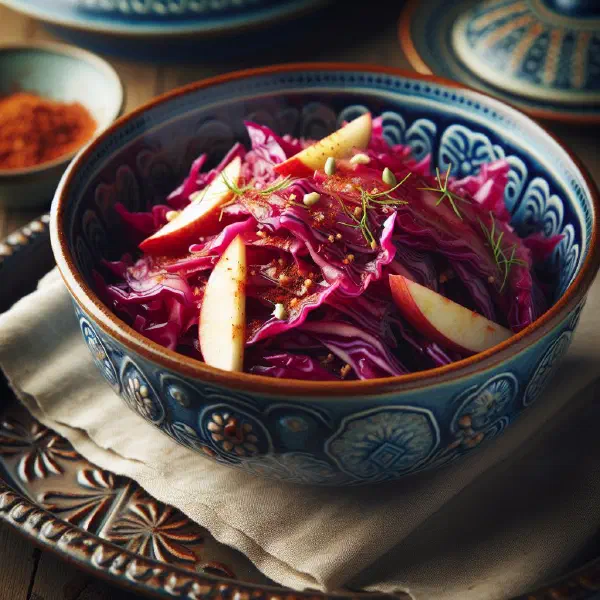
To set the dish up properly, wash the kale thoroughly and strip the leaves from the tough stalks. The leaves can then be roughly chopped so they cook down quickly and evenly. The onion should be cut into small pieces so it browns uniformly in the pan and releases its full aroma. A well-prepared base is the key to a really good grønlangkål, in the same way careful groundwork lifts a dish of Rødkål.
Step-by-step instructions
- Heat the butter in a large pan and sweat the chopped onion until translucent.
- Add the kale and fry, stirring, for around 5 minutes.
- Pour in the cream and season with nutmeg, salt and pepper.
- Let the dish simmer over low heat for 15–20 minutes, until the kale is tender.
- Add fried sausages or meat before serving, if you like.
Gluten-free / lactose-free version
Grønlangkål is naturally gluten-free, which makes it an excellent choice for anyone with a gluten intolerance. To make the dish suitable for those avoiding lactose, the cream can be replaced with a plant-based cream or almond milk. The butter can likewise be swapped for a lactose-free product or for margarine. These adjustments keep the dish every bit as delicious without causing any discomfort.
Tips for vegans and vegetarians
For a vegan version of grønlangkål, replace the cream with oat or soya cream. Butter can be exchanged here too for a plant-based alternative. Vegans should also make sure any accompaniments, such as sausages or meat, are plant-based, good vegan sausages work beautifully. That way the hearty, creamy character of the dish is preserved in full.
More tips and tricks
To deepen the flavour of grønlangkål even further, add a clove of garlic while you are softening the onion. A small pinch of smoked paprika can also give the dish an extra lift. Avoid cooking the kale for too long, or it will lose both its brilliant colour and its pleasant bite. A short cooking time over gentle heat gives the best result.
Adapting the recipe to your taste
Grønlangkål is easy to tailor to personal preference. If you like things a little spicier, add extra seasonings such as cayenne pepper or caraway. For a sweeter note, scatter over raisins or dried cranberries just before serving. Nuts such as walnuts add welcome crunch and make the dish more interesting still, much as they do in a slice of Studenterbrød.
Ingredient substitutions
If kale is unavailable, other leafy greens such as spinach or savoy cabbage make good stand-ins. They taste rather different but are prepared in much the same way. In place of dairy cream you might also consider coconut cream for a richer, subtly sweet result. The onion can be replaced with spring onions for a milder, fresher flavour.
Drink pairing ideas
Grønlangkål goes wonderfully with hearty beers, which complement the richness of the dish. A Danish lager or a malty ale is especially recommended. Wine drinkers might prefer a dry white wine or a lightly chilled red. Alcohol-free options such as ginger beer or a fruity smoothie round the meal off nicely, as does a glass of Hindbærbrus.
Serving and presentation ideas
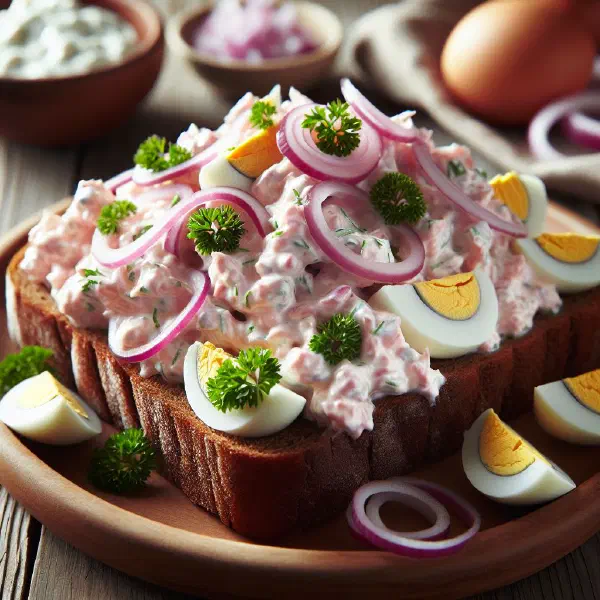
To serve grønlangkål attractively, spoon it into a large, shallow dish and garnish with fresh herbs such as parsley or chives. Offer crusty bread or small rolls alongside, or a slice of dark rye as you would with Rugbrød med Leverpostej. A few lemon slices can provide a fresh contrast. Play up the colours of the dish to make the plate look as inviting as possible.
A bit of history
Grønlangkål has its roots in traditional Danish home cooking and has been made for centuries. It reflects the importance of local, seasonal ingredients and a thrifty, sustainable approach to eating. The dish is usually prepared in the colder months, since kale keeps well through winter and was long an important source of nourishment. Grønlangkål is more than just a dish; it is an expression of Danish cuisine and the Danish way of life.
More recipe ideas
Summary: Grønlangkål
Grønlangkål is a traditional Danish dish that charms with nothing more than fresh kale and a fragrant, creamy sauce. It is a perfect everyday plate and a festive one too, and it adapts readily to whatever you prefer. Vegan or gluten-free, the affection this dish inspires stays the same. Let Danish cooking be your inspiration and enjoy the warming flavours of grønlangkål.