National Dish Denmark: Julefrokost (Recipe)

In this article
Discover Julefrokost, Denmark’s much-loved Christmas lunch. Far more than a single dish, it is a whole table of festive small plates, silky liver pâté on dark rye, glistening pickled herring, good cheese and steaming mugs of spiced gløgg. Shared slowly with family and friends over an afternoon that happily stretches into evening, it is Danish hygge at its most generous. Here is how to bring that warmth to your own table.
About Julefrokost
The Danish Julefrokost is far more than a simple Christmas meal; it is a genuine celebration of community and of Denmark’s culinary heritage. Family and friends traditionally gather to enjoy a whole spread of delicious dishes that appeal to every sense, not just the palate. The table carries hearty liver pâté, marinated herring and the ever-popular gløgg, a hot spiced wine. Every dish has its own story to tell and adds to the festive atmosphere of this true feast of joy.
Ingredients (serves 1–2)
- 200g liver pâté (leverpostej)
- 100g marinated herring
- 500ml gløgg
- 2 slices rye bread
- Butter
- Cheese of your choice
Shopping for the ingredients
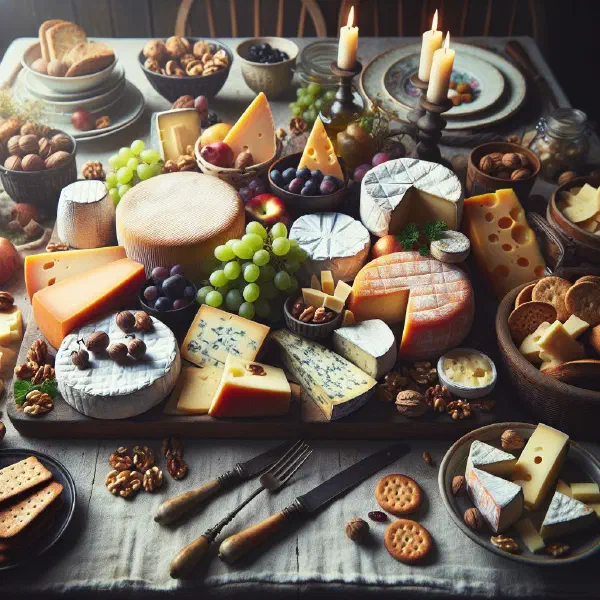
When shopping for your julefrokost, it is well worth looking for fresh, good-quality produce. Many of the traditional ingredients are stocked by Danish delicatessens or larger international supermarkets. Marinated herring and liver pâté are usually found in the chilled section, while gløgg is widely sold as a ready-made mix. Do not forget to pick out a few Danish cheeses, which go beautifully with this kind of festive spread, the same ones that make up a classic Ostebord.
Preparing the dish
To prepare a Danish julefrokost, it helps to lay out all your ingredients on the table first. That gives you a clear overview and lets you assemble the feast efficiently. Another useful tip is to make some of the dishes in advance so you save time on the day itself. This is especially true of the liver pâté, which simply tastes better served cold.
Step-by-step instructions
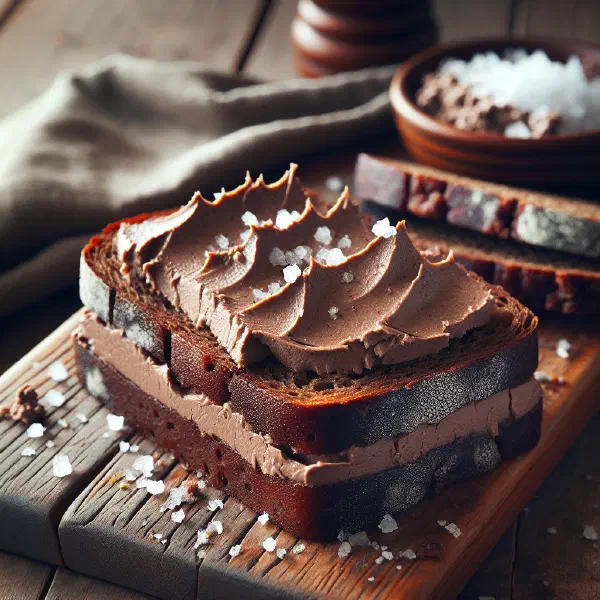
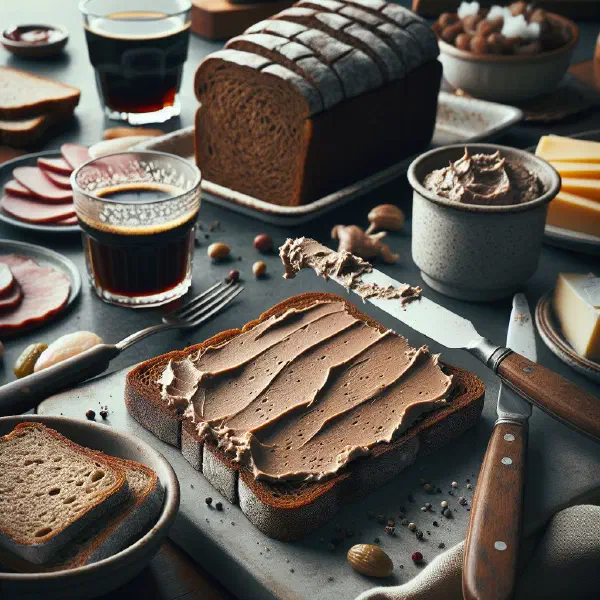
- Spread the liver pâté over the slices of rye bread.
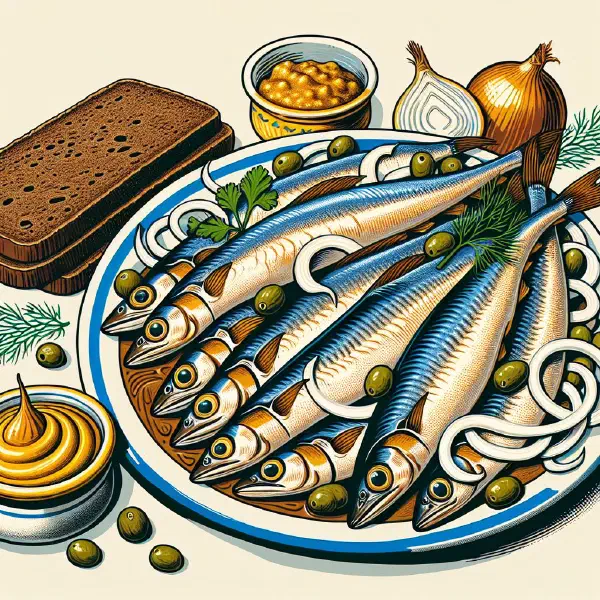
- Cut the marinated herring into small pieces and arrange them on plates.
- Warm the gløgg through and garnish with almonds and raisins if you like.
- Slice the cheese evenly and set it out ready to serve.
- Lay the table festively and arrange all the dishes attractively.
Gluten-free / lactose-free version
For a gluten-free julefrokost you can use gluten-free bread in place of rye bread. Many liver pâtés are already lactose-free, but it is worth checking the ingredients list to be sure. There are lactose-free cheeses too, which meet the needs of anyone who is lactose intolerant. That way everyone can join in this festive meal and enjoy its many appeals to.
Tips for vegans and vegetarians
There are appealing alternatives for vegans and vegetarians at a julefrokost as well. Instead of liver pâté, try a lentil or nut pâté, which is every bit as hearty and full of flavour. In place of the herring, marinated aubergines or a glass-noodle salad with Asian seasoning make unusual but very tasty options. The festive feeling stays intact, and everyone gets to tuck into the good things on the table.
More tips and tricks
To make the julefrokost experience even richer, it can help to combine different flavours deliberately. Experiment with various spices and herbs to put your own spin on the traditional recipes. A varied presentation across the table matters too, so that the spread pleases the eye as much as the palate. Serve the dishes in handsome bowls and arrange them thoughtfully to create a truly festive mood.
Adapting the recipe to your taste
The lovely thing about the Danish julefrokost is that you can shape it entirely to your own taste. If there are ingredients you do not care for, simply swap them for your favourites, a plate of Frikadeller or a slice of roast pork is always welcome. You can also scale the portions to the number of guests so that everyone is well looked after. Show a little creative flair and experiment with new flavours and dishes. That is what makes the feast memorable.
Ingredient substitutions
For a broader range of flavours, it is worth considering alternatives to the usual ingredients. Rye bread, for example, can be replaced with wholemeal bread, which brings a nuttier note. If marinated herring is not available, marinated vegetables offer a zesty, refreshing alternative, or reach for smoked Roget Sild instead. When people come together to celebrate, everyone should have the chance to follow their own preferences.
Drink pairing ideas
The right drink is part and parcel of a traditional Danish julefrokost. Gløgg is the classic choice, but beer and white wine also work wonderfully with the food, and a shot of icy snaps is the customary companion to herring. For anyone who prefers something alcohol-free, fruit juices or a homemade fruit cordial such as Hindbaerbrus are an excellent choice.
Serving and presentation ideas
Presentation plays a decisive role at a julefrokost. Use attractive plates and bowls to arrange the food appealingly. Set out the various dishes in small portions so guests can help themselves as they please. Fresh herbs and edible flowers make good extra decoration. They not only look delicious but please the eye as well.
A bit of history
The tradition of julefrokost has deep roots in Danish culture. The dishes were originally tied to celebrations of the winter solstice, when people came together to see out the darkest time of the year. Today the meal is firmly established as part of the Danish Christmas season and does much to foster a sense of community. By keeping the tradition alive we preserve a piece of Danish cuisine and create memories that last a lifetime.
More recipe ideas
Summary: Julefrokost
The Julefrokost is a wonderful way to celebrate Danish culture and community during the Christmas season. With its wealth of delicious dishes and drinks, this feast becomes the highlight of the year. Whether savoury or sweet, every ingredient adds to the festive mood and tells a story of its own. Let the tradition of julefrokost work its magic on you and enjoy the flavours, and the company of the people you love.