National Dish Denmark: Kringle (Recipe)
In this article
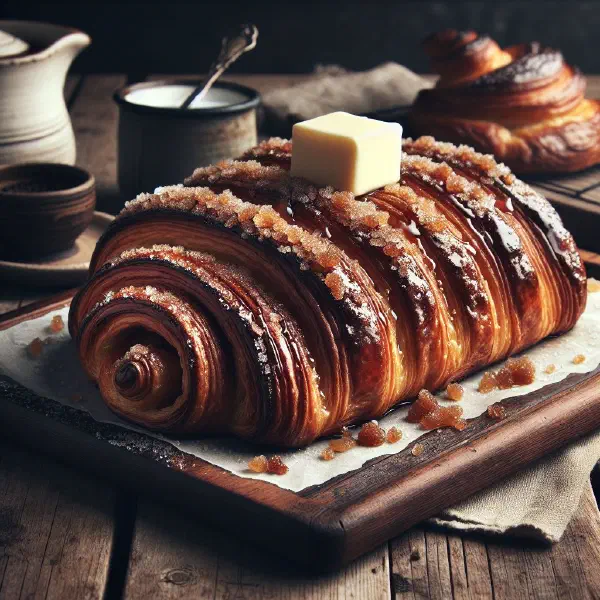
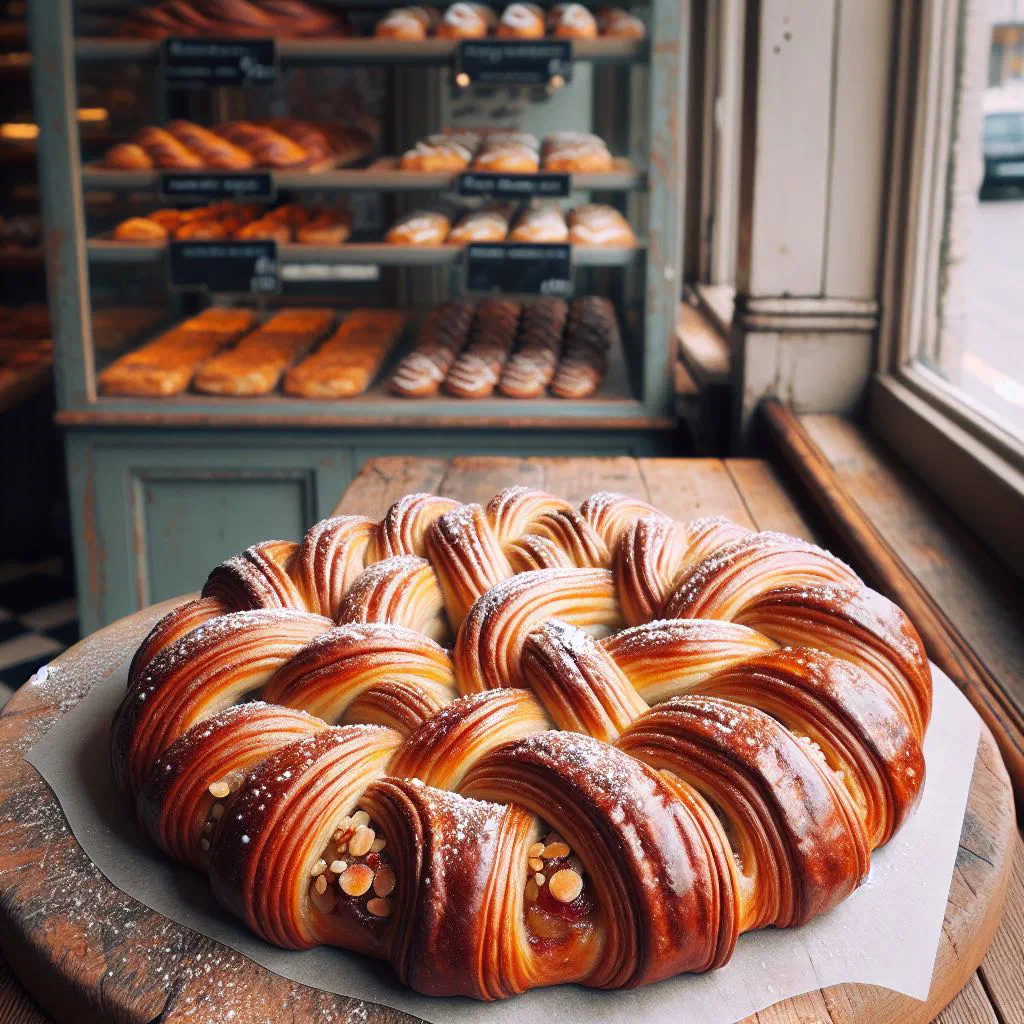
Meet Kringle, the buttery Danish pastry shaped like a generous pretzel loop and filled with sweet almonds or fragrant cinnamon. It is the sort of bake that fills a whole kitchen with warmth, equally at home on a festive table and beside an ordinary afternoon cup of coffee. Golden, glossy and pleasingly rich, it is a wonderful introduction to the Danish love of baking.
About Kringle
Kringle is a traditional Danish pastry, usually baked in the shape of a wide, looping bow. The combination of buttery dough and aromatic fillings is what makes it so popular. Most often it is filled with a delicious mixture of cinnamon and almonds, though a spoonful of jam is sometimes added for a fruity note. It suits special occasions beautifully and works just as well as a sweet everyday snack.
Ingredients (serves 1–2)
- 250 g plain flour
- 1/2 cube fresh yeast
- 125 ml milk
- 75 g butter
- 50 g sugar
- 1/2 teaspoon salt
- 1 egg
- For the filling: 100 g ground almonds or a cinnamon-sugar mixture
Shopping for the ingredients
When shopping for the ingredients for kringle, look for fresh produce to get the very best flavour. Buy good-quality butter and fresh yeast, as these two ingredients are decisive for both the texture and the taste of the pastry. The choice of flour matters too: use a good white flour to guarantee a tender, delicate crumb.
Preparing the dish
Before you start making kringle, set out all your ingredients and equipment. A large baking tray, an electric mixer and a roomy mixing bowl are the essentials. Make sure the butter and the milk are at room temperature, as this helps everything combine evenly. Prepare a gentle warm water bath as well, so you can dissolve the yeast before adding it to the dough, the same patient approach that gives Pandekager their lightness.
Step-by-step instructions
- Warm the milk and dissolve the yeast in it.
- Combine the flour, sugar and salt in a large bowl.
- Add the softened butter, the yeast-and-milk mixture and the egg, then knead everything into a smooth dough.
- Leave the dough to rise in a warm place for about 30 minutes, until well risen.
- Roll the dough out into a rectangle on a floured surface.
- Spread the filling evenly over the dough, then roll it up from the long side.
- Shape the roll into a loop and lay it on the baking tray.
- Bake the kringle at 180 °C for about 25–30 minutes, until golden brown.
Gluten-free / lactose-free version
Making kringle gluten-free or lactose-free is perfectly possible. Use gluten-free flour and lactose-free milk or a plant-based alternative. With gluten-free flours it is worth finding the right blend so you still achieve the texture you are after. The butter can likewise be swapped for oil to make the pastry lactose-free.
Tips for vegans and vegetarians
For a vegan version, use plant-based margarine and apple purée in place of the egg and butter. Fruity spreads or nutty mixtures make excellent plant-based fillings. The important thing is that every ingredient is free of animal products. That way vegans can enjoy a delicious kringle too.
More tips and tricks
A few small tricks make kringle even easier to bake. Knead the dough thoroughly so it turns supple and the yeast stays lively. It also helps to brush the kringle with beaten egg before baking, which gives it a lovely colour. After baking, let the pastry cool on a wire rack so trapped steam does not soften the crust, a habit that serves you well with Wienerbrot too.
Adapting the recipe to your taste
Kringle is remarkably adaptable and easy to tailor to personal preference. Experiment with different fillings such as chocolate, walnuts or dried fruit. The amount of sugar can be adjusted as well: reduce it for a less sweet result. Give your imagination free rein and build a kringle entirely to your own taste.
Ingredient substitutions
If you do not have every ingredient at home, there are plenty of alternatives worth trying. Oat milk or another plant-based milk works perfectly well instead of milk. For the filling, hazelnuts or a cream cheese spread create a different character altogether.
Drink pairing ideas
Many drinks go beautifully with a slice of kringle. A cup of freshly brewed coffee or a frothy cappuccino underlines the flavours of the pastry. A fruit tea or a chilled juice harmonises splendidly as well. For festive occasions you might even pour a glass of prosecco or sparkling wine to round off the treat, much as you would alongside Risalamande.
Serving and presentation ideas
A handsome kringle deserves a handsome presentation. Garnish it with icing sugar or a light glaze to refine its appearance. Serve the pastry on a stylish wooden board or a decorative cake stand. Fresh fruit or edible flowers make lovely decorations and lend the table a genuinely festive air.
A bit of history
Kringle has a long tradition in Danish baking and is popular not only in Denmark but across the Nordic countries. The name most likely derives from the Danish word for a looped, pretzel-like shape. The pastry was originally made around Christmas celebrations and still impresses with its versatility and unmistakable flavour. Served at festive gatherings, it is a symbol of Danish hospitality and of Danish cuisine as a whole.
More recipe ideas
Summary: Kringle
Kringle is a delicious Danish pastry that wins people over with its varied fillings and its distinctive shape. Thanks to its straightforward preparation, anyone can enjoy this classic, whether in its traditional form or as a modern variation. The scope for adaptation and the ease of repeating it make kringle an ideal dessert for any occasion. Let this Danish recipe inspire you and enjoy a taste of Denmark’s sweet side.