National Dish Denmark: Pandekager (Recipe)
In this article
Discover Pandekager, Denmark’s beloved take on the pancake. These thin, tender pancakes are famous for their light, airy batter and for the sheer range of fillings they welcome, from sweet jam and chocolate to savoury vegetables. Once reserved for celebrations and special occasions, they have long since become an everyday breakfast favourite. A simple pan, a few storecupboard staples, and a taste of Scandinavia is yours.
About Pandekager
Danish pandekager are a real highlight of Scandinavian cooking. These delicate pancakes are known for their light batter and for the wonderful variety of fillings they carry. Sweet or savoury, there is a version for every palate. Traditionally served on special occasions, they have grown into a much-loved breakfast dish and win people over with their sheer versatility, much like the crisp Vafler that grace many a Danish kitchen.
Ingredients (serves 1–2)
- 1 cup plain flour
- 1 tablespoon sugar
- 1 cup milk
- 2 eggs
- A pinch of salt
- Butter, for frying
- Assorted fillings: jam, chocolate, fresh fruit
Shopping for the ingredients
The first step towards making pandekager is gathering the ingredients. Most of them are easy to find in any supermarket. Do pay attention to the quality of the flour, as it is decisive for the texture of the batter. Fresh eggs and good milk add further to the rounded, full flavour of the pancakes.
Preparing the dish
Before you begin cooking, have everything within easy reach. Measure out the correct quantities and tip the flour into a mixing bowl. This ensures the whole process runs smoothly from start to finish. If you have particular fillings in mind, prepare those as well so the cooking itself is quick and efficient.
Step-by-step instructions
- Combine the flour, sugar and salt in a large bowl.
- Add the eggs and milk and whisk well until you have a smooth batter.
- Heat a frying pan and melt a little butter in it.
- Pour in a ladleful of batter and swirl it evenly across the base of the pan.
- Cook the pandekager for around 2–3 minutes on each side, until golden brown.
- Fill with your chosen toppings and serve.
Gluten-free / lactose-free version
For a gluten-free version of pandekager, simply replace the wheat flour with a gluten-free flour blend. Choose one designed for baking so the consistency of the batter is preserved. For a lactose-free version, use a plant-based milk such as almond or oat milk. These small adjustments mean that anyone with particular dietary needs can enjoy these delicious pancakes too.
Tips for vegans and vegetarians
Vegans can replace the eggs in this recipe with apple sauce or a chia egg substitute. Either gives the pandekager the binding they need for a light, airy texture. Plant-based milks work well here as well, while the butter can be swapped for coconut oil. Adapted this way, pandekager remain a thoroughly tasty option for a plant-based diet.
More tips and tricks
Experiment with different fillings to create your own pandekager. Alongside the classics of jam and chocolate, you might reach for nuts, desiccated coconut or even savoury vegetables. A squeeze of lemon or a pinch of cinnamon stirred into the batter adds a subtle extra dimension. The possibilities really are endless, and if you enjoy that sort of tinkering, the sweet Aeblekage rewards the same spirit.
Adapting the recipe to your taste
The pandekager recipe offers an excellent base that can be shaped entirely to suit you. Vary the sweetness of the batter by adding more or less sugar. If you like things fruity, work a little puréed fruit into the mixture. Spices such as vanilla or cinnamon can also provide an extra lift of flavour.
Ingredient substitutions
If you do not have wheat flour to hand, buckwheat or rice flour will do the job nicely. These alternatives bring interesting notes to the pandekager and change the texture a little. If you would rather avoid refined sugar, use honey or agave syrup instead and set the sweetness to your own liking. The recipe stays flexible and forgiving throughout.
Drink pairing ideas
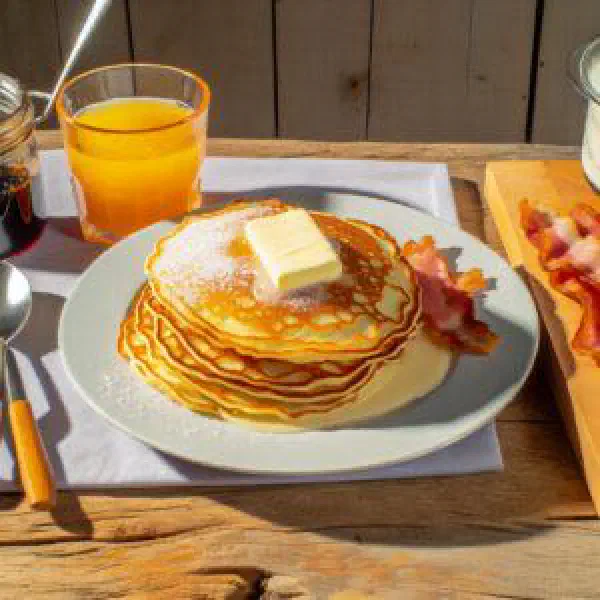
Plenty of drinks go beautifully with pandekager. A freshly brewed coffee or a fragrant tea makes an ideal breakfast companion. For something sweeter, offer fresh fruit juices or smoothies, or the fizzy childhood favourite Hindbaerbrus.
Serving and presentation ideas
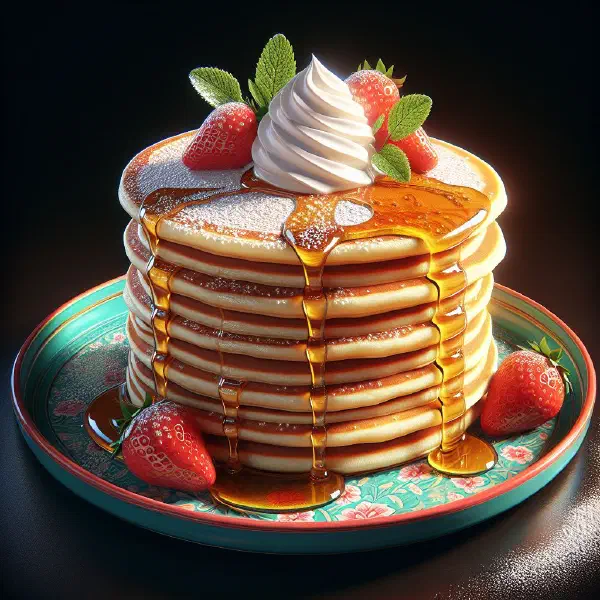
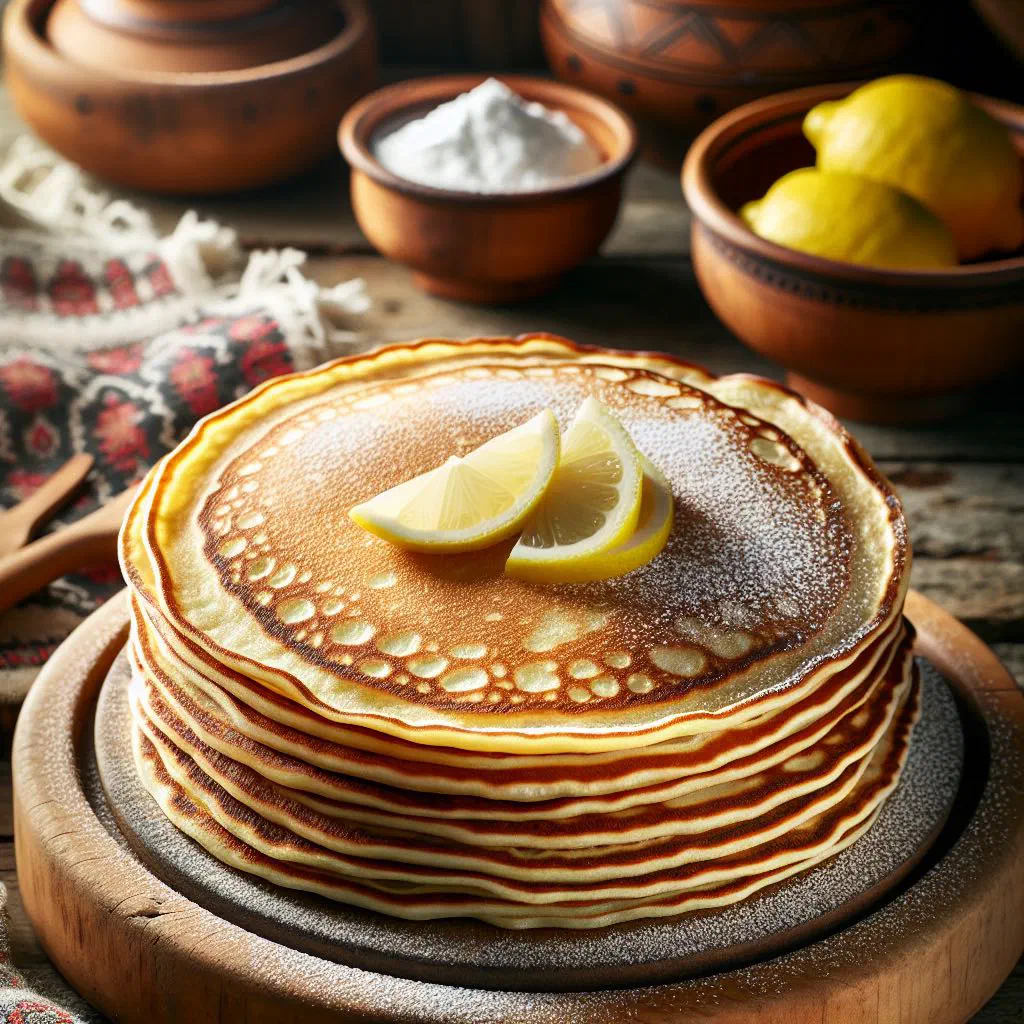
The presentation of pandekager can be refined in all sorts of ways. Stack the pancakes on a colourful plate and garnish with fresh fruit, cream or nuts. A dusting of icing sugar or a few mint leaves lends the dish a special finishing touch. The more inviting the presentation, the greater the pleasure of eating.
A bit of history
Pandekager are an important part of Danish food culture. The tradition of the pancake has developed over centuries and is closely bound up with Danish hospitality. Originally they were made chiefly for festivities and special occasions, much like the celebratory desserts of Danish cuisine such as Risalamande. Today they are known and loved not only in Denmark but in many other countries too.
More recipe ideas
Summary: Pandekager
Danish pandekager are a delicious dish that wins through on versatility and flavour alike. Their tender texture makes them the perfect partner for all manner of fillings, sweet or savoury. Whether for breakfast, as a dessert or simply because, pandekager enrich any meal. Let these traditional pancakes inspire you and bring a piece of Danish culture into your own kitchen.