National Dish Denmark: Vaniljekranse (Recipe)

In this article
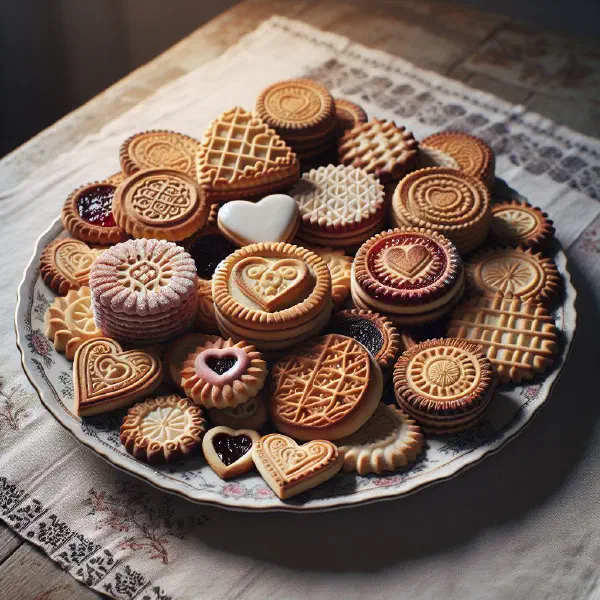
Meet Vaniljekranse, the little vanilla wreaths that fill Danish kitchens with the scent of Christmas. Crisp at the edges, tender in the middle and generously scented with vanilla, these buttery rings are as welcome with an ordinary afternoon coffee as they are on a festive biscuit tin. Making them is wonderfully straightforward, which is exactly why they have become a family tradition in so many homes. Bake a batch and bring a genuine piece of Danish hygge into your own kitchen.
About Vaniljekranse
Vaniljekranse are a traditional Danish Christmas biscuit, loved for their delicate, crisp texture and their unmistakable vanilla aroma. Although they belong to the festive season, they are enjoyed all year round, and few Danish households are ever entirely without a tin of them. Making them is not only a treat in itself but a lovely excuse to spend an afternoon in the kitchen with family or friends. The recipe below walks you through the simple process step by step, so you can spoil the people you love with a real taste of Danish cosiness.
Ingredients (serves 1–2)
- 200 g butter
- 100 g sugar
- 1 sachet vanilla sugar
- 300 g plain wheat flour
- 100 g ground almonds
- 1 pinch of salt
- 1 egg
Shopping for the ingredients
Shopping for vaniljekranse could hardly be easier. Most supermarkets stock everything you need, and larger stores sometimes carry Danish specialities as well. When choosing the butter, reach for a good-quality brand. It makes a noticeable difference to the flavour of the finished biscuits. The flour matters too: wholemeal gives a heartier, more rustic result, while finely milled plain flour produces the tender crumb these biscuits are known for.
Preparing the dish
Before you start, bring all the ingredients to room temperature. This makes the dough far easier to work with and helps everything combine evenly. Set up your work surface properly as well: line your baking trays with baking parchment and have your utensils within easy reach. A calm, organised kitchen makes the baking genuinely enjoyable, and the results are all the better for it.
Step-by-step instructions
- Preheat your oven to 180°C.
- Beat the butter with the sugar and vanilla sugar in a mixing bowl until pale and creamy.
- Add the egg and mix thoroughly.
- In a separate bowl, combine the flour, the ground almonds and the salt.
- Fold the dry ingredients into the butter-and-egg mixture until you have a smooth dough.
- Spoon the dough into a piping bag and pipe small wreaths onto the prepared baking tray.
- Bake the vaniljekranse for about 10–12 minutes in the preheated oven.
- Leave the biscuits to cool on a wire rack, then enjoy.
Gluten-free / lactose-free version
For a gluten-free version of vaniljekranse, swap the wheat flour for a good-quality gluten-free blend. Bear in mind that the dough may behave a little differently and can need a touch more resting time before piping. There are also plenty of lactose-free butters that work beautifully in this recipe. If you serve the biscuits with cream or milk alongside, choose lactose-free versions of those too for a completely worry-free treat.
Tips for vegans and vegetarians
To make vegan vaniljekranse, replace the egg with a natural alternative such as apple sauce or mashed banana. The butter is easily swapped for plant-based margarine, and the biscuits are every bit as good for it. These adjustments are kinder to a plant-based diet and open up an interesting new flavour profile.
More tips and tricks
The single most useful trick is to avoid overworking the dough, a short, purposeful mix is all it takes, and it is what keeps the biscuits properly crisp. A light dusting of icing sugar once they have cooled adds a touch of elegance and lifts the sweetness. If your dough feels too stiff to pipe, warm it briefly between your hands rather than adding liquid. However you bake them, the point is to enjoy the time you spend in the kitchen.
Adapting the recipe to your taste
The basic vaniljekranse recipe takes happily to personal tweaks. Fold in chocolate chips or chopped dried fruit for a more indulgent version, or add a pinch of cinnamon for a warmer, spicier note. Chopped nuts give extra crunch, while a little grated orange zest brings a bright, festive lift. The possibilities are almost endless, and the dough is forgiving enough to let you play. The same spirit of gentle improvisation runs through classics like Smakager.
Ingredient substitutions
Few households have absolutely everything to hand, and this recipe copes well without. Hazelnuts stand in nicely for the ground almonds and give a very similar, slightly deeper flavour. If you have no vanilla sugar, use ordinary sugar with a good splash of vanilla extract so the signature vanilla character is not lost. Rice flour can replace a small proportion of the wheat flour for an extra-short, crumbly texture. Substitutions like these let you bake with whatever the cupboard offers.
Drink pairing ideas
Vaniljekranse are made for a cup of hot tea or freshly brewed coffee. A mild black tea with a splash of milk complements their sweetness perfectly, without competing with the vanilla. For something more celebratory, serve them with mulled wine or a rich, creamy hot chocolate. Any of these turns a plate of biscuits into a proper cosy afternoon, much as a chilled bowl of Sodsuppe rounds off a Danish meal.
Serving and presentation ideas
How you present vaniljekranse does much to whet the appetite. Arrange them on a pretty serving platter or in a traditional biscuit tin and decorate with fresh berries or edible flowers for a little wow factor. A small handwritten card tucked alongside makes them a lovely gift and adds a personal touch. Stacked in a glass jar with a ribbon, they look every bit as good as they taste, and they sit beautifully next to a plate of Wienerbrot.
A bit of history
Vaniljekranse originated in Denmark and are a fixture of the country’s baking tradition. They were first documented in the 19th century and have been a household favourite ever since, appearing at special occasions and ordinary Tuesdays alike. Whether offered to guests or eaten quietly with a coffee, they stand for Danish hospitality and comfort. Their classic recipe and very good flavour have made them a timeless favourite of Danish cuisine.
More recipe ideas
Summary: Vaniljekranse
Vaniljekranse are far more than a simple biscuit; they embody Danish tradition and the sheer pleasure of baking. With their very good vanilla aroma and crisp, buttery texture, they suit every occasion. They win people over instantly. Use the tips above to create your own memorable batch and treat yourself and your loved ones to a taste of Denmark.