National Dish Denmark: Ymer (Recipe)
In this article
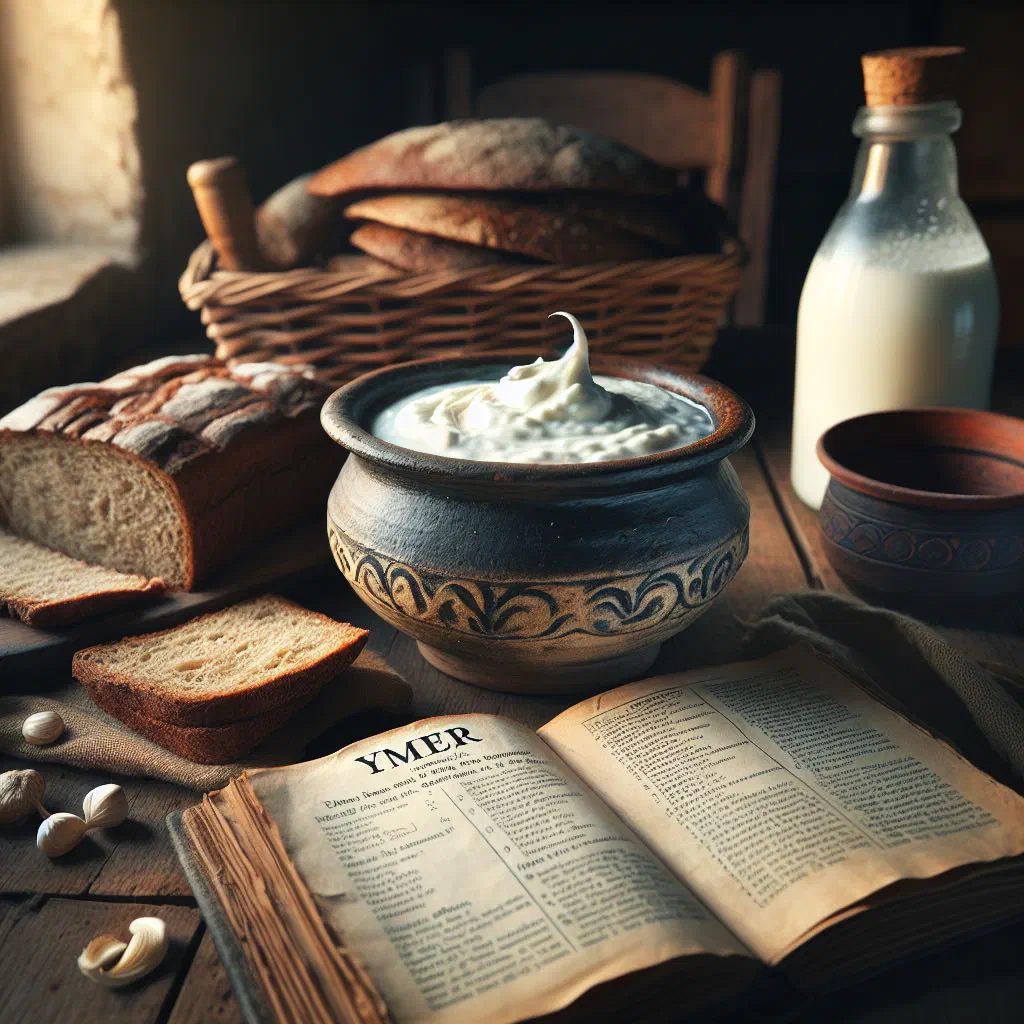
Meet Ymer, the gently soured cultured milk that Danes have been spooning up for breakfast for generations. Thick, cool and faintly tangy, it sits somewhere between yoghurt and soured cream, and it comes alive the moment you scatter over fresh berries, a handful of crunchy muesli and a thread of honey. It takes minutes to put together, needs no cooking at all, and is every bit as good as an afternoon pick-me-up as it is first thing in the morning.
About Ymer
Ymer is a traditional Danish cultured milk known for its creamy texture and mildly sour flavour. Those two qualities have made it a fixture of Nordic kitchens, where it is most often served with fresh berries or crunchy muesli heaped on top. Light enough for a healthy breakfast yet substantial enough to keep you going as a refreshing snack, ymer appeals to a wide range of tastes while delivering plenty of protein and nutrients along the way.
Ingredients (serves 1–2)
- 500 ml buttermilk or yoghurt
- 1–2 tablespoons milk or cream
- 1 teaspoon honey or maple syrup, to taste
- Fresh berries (strawberries, raspberries or blueberries)
- Crunchy muesli or nuts
Shopping for the ingredients
The ingredients for ymer are straightforward and stocked in almost every supermarket. Buttermilk sits in the chilled dairy aisle, while the fresh berries are waiting in the fruit and vegetable section. The berries on offer shift with the seasons, which is a pleasant way of letting the flavour of your ymer change through the year. Look for good, fresh quality wherever you shop, with so few ingredients, each one really counts.
Preparing the dish
Preparing ymer takes only a few steps, though a little care pays off. Start by washing the berries thoroughly and slicing the larger ones if you like. Alongside the fruit, get any other toppings ready, nuts, honey, a sprinkling of seeds, so the bowl has plenty of variety. Having everything prepped in advance means the ymer can be served the moment it is mixed, at its freshest and coolest.
Step-by-step instructions
- Tip the buttermilk or yoghurt into a bowl.
- Stir in the milk or cream to loosen the mixture to the consistency you prefer.
- Sweeten with honey or maple syrup.
- Add the freshly washed berries and fold everything together gently.
- Spoon the ymer into bowls and finish with muesli or nuts as you like.
Gluten-free / lactose-free version
Ymer adapts easily to different dietary needs. For a gluten-free version, choose a certified gluten-free muesli or simply use ground nuts instead. To make it lactose-free, reach for lactose-free milk or a plant-based alternative such as almond or oat milk. Small swaps like these mean everyone can enjoy the dish, whatever their preferences or intolerances.
Tips for vegans and vegetarians
Ymer is straightforward to make vegan: swap the dairy for a plant-based cultured product such as soya or coconut yoghurt, both of which bring their own pleasant character to the bowl. For toppings, lean on chopped nuts, fresh fruit and a drizzle of agave syrup in place of honey. The result stays every bit as nourishing, and the same plant-forward thinking works nicely with a lighter Sodsuppe later in the day.
More tips and tricks
A few simple touches make ymer far more interesting. Try stirring in spices such as cinnamon or vanilla to shift the flavour. Fruit sauces or purées swirled through the top add colour as well as sweetness. Another trick worth knowing is to macerate the berries briefly in a little sugar or lemon juice beforehand. It draws out their juices and concentrates their flavour beautifully.
Adapting the recipe to your taste
Ymer is endlessly flexible and easy to bend to your own preferences. Less sharp or loaded with extras, it rewards experimenting. Fold in some Greek yoghurt if you like a thicker, denser spoonful. And because the berries change with the seasons, the bowl in front of you never has to taste quite the same twice.
Ingredient substitutions
If you do not have everything to hand, there are plenty of workable alternatives. Yoghurt stands in perfectly for buttermilk, and freeze-dried fruit does the job when fresh berries are out of season. For sweetness, ordinary sugar or stevia works just as well as honey. Toasted crumbs from a slice of Wienerbrot make a rather good stand-in for muesli, too.
Drink pairing ideas
Plenty of drinks sit happily alongside ymer. A fresh green smoothie or a fruity lemonade both make excellent companions. A robust black tea or an aromatic latte rounds off the flavour just as neatly. Pick whatever suits the season and your mood, the dish is mild enough to take almost anything.
Serving and presentation ideas
Ymer looks lovely with very little effort. Serve it in small glasses or bowls so the layers of fruit and muesli are visible from the side. Decorate the top with fresh berries and a few mint leaves for contrast. Edible flowers are another easy way to lift the bowl and give it a properly festive look, worth doing when it appears on a brunch table beside Vafler or a plate of Vaniljekranse.
A bit of history
Ymer has its origins in Danish farming culture and has been valued there for centuries. The pairing of fermented milk with fruit reflects the practical, seasonal traditions of the Nordic countryside, where dishes were built from whatever the land provided. It earned a place both in everyday eating and at celebratory meals, and today it is enjoyed well beyond Denmark’s borders, a quietly characteristic corner of Danish cuisine that has spread across Scandinavia and further afield.
More recipe ideas
Summary: Ymer
Ymer is a versatile and genuinely delicious dish that holds a special place in Danish cooking. Its creamy body and gentle sourness make it an ideal partner for a healthy breakfast or a refreshing afternoon snack. Preparation could hardly be simpler and the ingredients are easy to find, which makes ymer a dish for almost any occasion. Let Scandinavian cooking inspire you and enjoy the clean, fresh flavours of the Nordic table.