National Dish Djibouti: Berbere Chicken (Recipe)
In this article
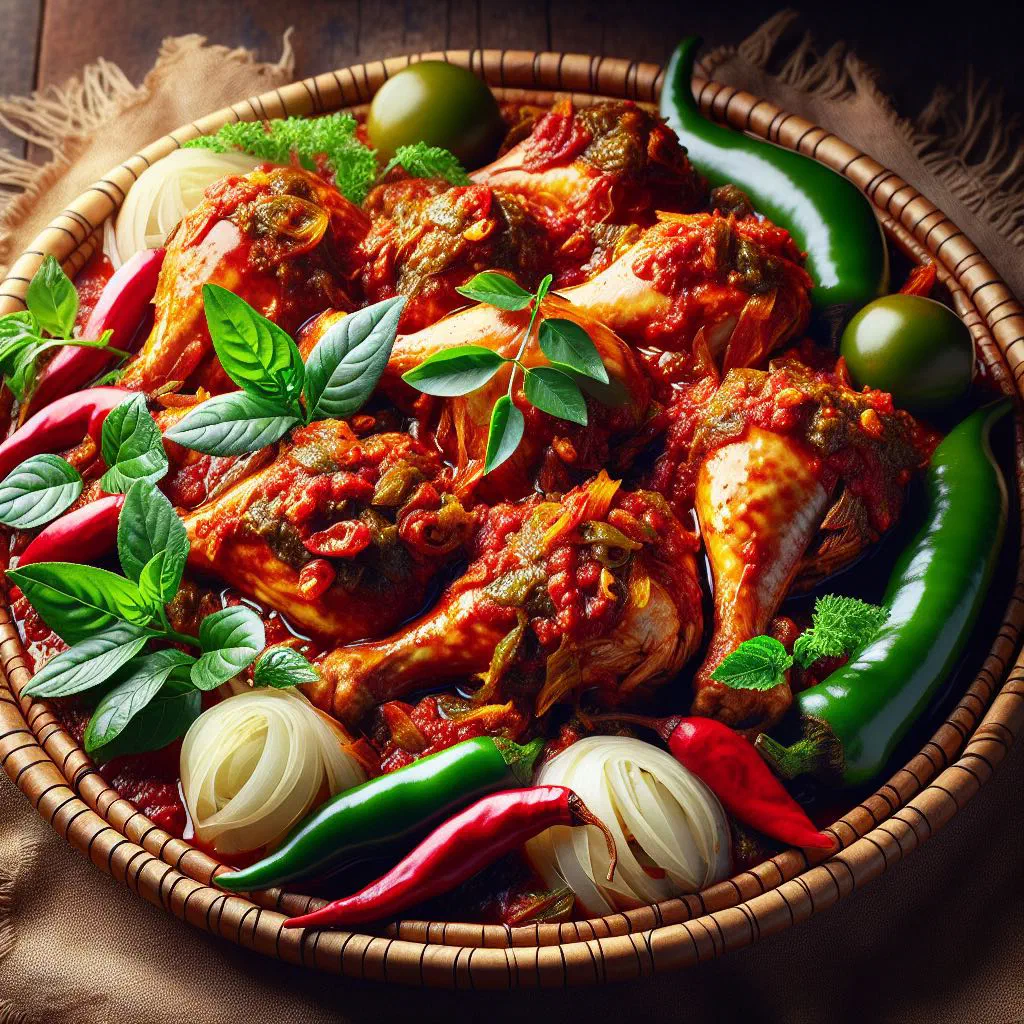
Discover Berbere Chicken, a fiery celebration of the flavours that travel between Ethiopia and Djibouti. Tender pieces of chicken are coated in the warm, aromatic berbere spice blend and simmered with onion, garlic and tomato until every bite sings with spice. It is the kind of dish that turns an ordinary evening into something memorable, and it is perfect for adventurous cooks who love to explore new culinary horizons. Bring a taste of the Horn of Africa straight to your own kitchen.
About Berbere Chicken
Berbere Chicken is a true feast for the senses, carrying the rich and varied aromas of Ethiopia directly to your plate. This striking combination of juicy chicken and the traditional berbere spice blend gives the dish a special depth and warmth. The harmony of spices, paprika, cumin and coriander among them, ensures that every mouthful becomes a real experience. With its bold, fiery character, this dish is ideal for anyone keen to discover fresh flavours, and it sits proudly among the treasures of Djiboutian cuisine.
Ingredients (serves 1–2)
- 500g chicken breast fillet
- 2 tablespoons berbere spice blend
- 2 tablespoons olive oil
- 1 onion, diced
- 2 cloves garlic, finely chopped
- 1 tomato, diced
- Salt and pepper, to taste
- Fresh coriander leaves, to garnish
Shopping for the ingredients
To make Berbere Chicken, it pays to gather all your ingredients in good time. Most of them are easy to find in a well-stocked supermarket. The most important item is the berbere spice blend, prized for its varied and intense aromas. It is worth taking a look in a Middle Eastern or Asian grocery, as they often carry a good selection of spices and may have a more authentic blend than a standard shop.
Preparing the dish
Before you begin cooking the Berbere Chicken, it is wise to prepare everything thoroughly. That means cutting the chicken into even pieces and dicing the vegetables. These steps help everything cook evenly and let the aromas mingle to their best advantage. Have the berbere spice blend measured out and ready too, so you can add it quickly once the pan is hot.
Step-by-step instructions
- Heat the olive oil in a large pan and sauté the diced onion until translucent.
- Add the chopped garlic and fry briefly until fragrant.
- Add the chicken and brown it all over until golden.
- Stir in the berbere spice blend and the diced tomato, mixing everything well.
- Season with salt and pepper, then simmer over low heat for 10–15 minutes until the chicken is cooked through.
- Garnish with fresh coriander leaves before serving.
Gluten-free / lactose-free version
Berbere Chicken is naturally gluten-free and lactose-free, which makes it an excellent choice for anyone with those intolerances. Do check, though, that all the ingredients you use, especially the berbere spice blend, contain no hidden gluten or lactose. The spices are often available in their pure form without additives, which keeps the dish wonderfully straightforward.
Tips for vegans and vegetarians
There are plenty of ways to adapt this recipe for vegans and vegetarians. Instead of chicken you might use tofu or vegetables such as courgette or aubergine. These marinate beautifully in the berbere spice mix and can then be fried or grilled. You can also adjust the cooking time so the vegetables reach the perfect texture and the aromas spread evenly throughout the dish.
More tips and tricks
To make your Berbere Chicken even more flavourful, let it marinate overnight. This gives the aromas plenty of time to penetrate the meat. Using fresh spices rather than dried ones can also intensify the taste considerably. Experiment with the quantity of spice to find the balance that suits you best, a little more heat, or a gentler touch, is entirely up to you.
Adapting the recipe to your taste
The lovely thing about making Berbere Chicken is how easily it adapts to your personal taste. Add more hot spice if you like it fierier, or hold back for a milder result. The choice of oil matters too, coconut oil or peanut oil can shift the flavour and open up new dimensions. This flexibility lets you shape the dish exactly to your liking.
Ingredient substitutions
If certain ingredients are not to hand, alternatives are easy to find. In place of chicken, pork or lamb also harmonise well with the berbere mix, much like the tender meat in a plate of Suqaar or slow-cooked Hilib Ari. For a vegetarian version you can use seitan or chickpea-based products. Swapping the base ingredients lets you personalise the dish however you wish.
Drink pairing ideas
A dish as spicy as Berbere Chicken calls for refreshing drinks. Try a fruity cocktail or a cold beer to balance the heat. Alternatively, chilled mineral water with lemon or a fresh mint lemonade both make excellent choices. These drinks keep the meal lively and lift the whole experience.
Serving and presentation ideas
Thoughtful presentation can lift the enjoyment of Berbere Chicken considerably. Serve the dish in an attractive bowl with fresh herbs scattered over the top to highlight colour and freshness. Round it out with aromatic rice or soft flatbread such as Anjero to broaden the flavour profile. A decorative border of coriander or fresh tomato wedges finishes the plate perfectly and makes it a visual highlight too.
A bit of history
Berbere Chicken has its roots in Ethiopian cooking, where the berbere spice blend plays a central role. This mixture is a fixture in many Ethiopian households and is traditionally used to season meat dishes. Berbere is more than just a spice; it carries cultural meaning and is often associated with feasts and family gatherings. In Djibouti too, where the dish is especially popular, countless variations reflect the richness and variety of this shared regional cuisine.
More recipe ideas
Summary: Berbere Chicken
Berbere Chicken is an experience full of aromas and traditions. With the right preparation and the proper ingredients, it becomes a highlight on any table. This dish brings a touch of Africa into your kitchen. Let the versatility of the berbere spice blend inspire you and experiment with new flavours, your palate will thank you for it.