National Dish Djibouti: Canjeero (Recipe)
In this article
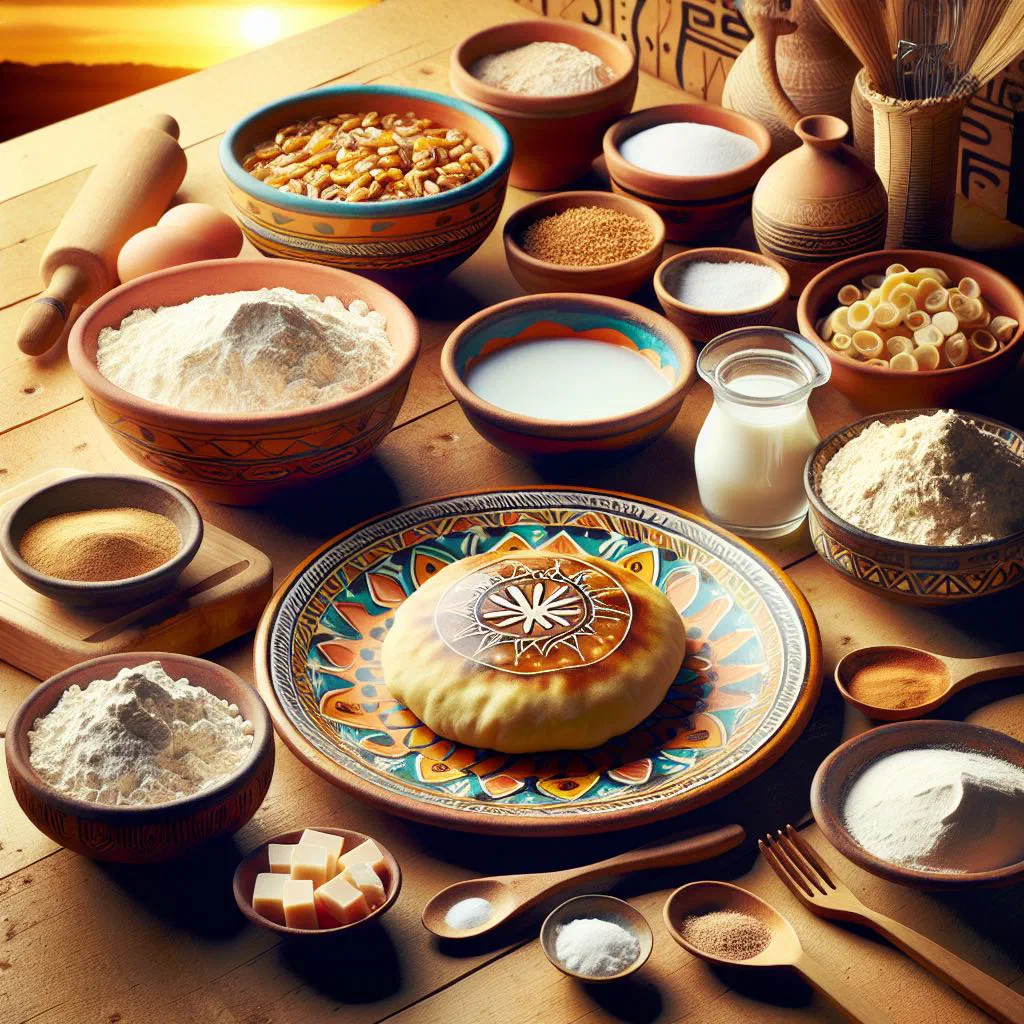
Meet Canjeero, the soft, spongy flatbread that starts the day in kitchens right across Djibouti. Made from little more than flour, water and a touch of yeast, it turns out light and tender with a gently sour tang. Affordable, endlessly versatile and quick to master, it is usually torn and dipped into hearty stews or spread with something sweet. Bring a taste of the Horn of Africa straight to your own table.
About Canjeero
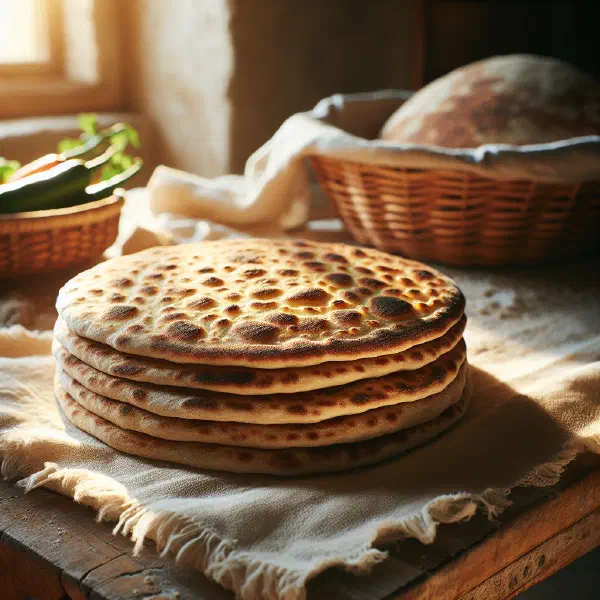
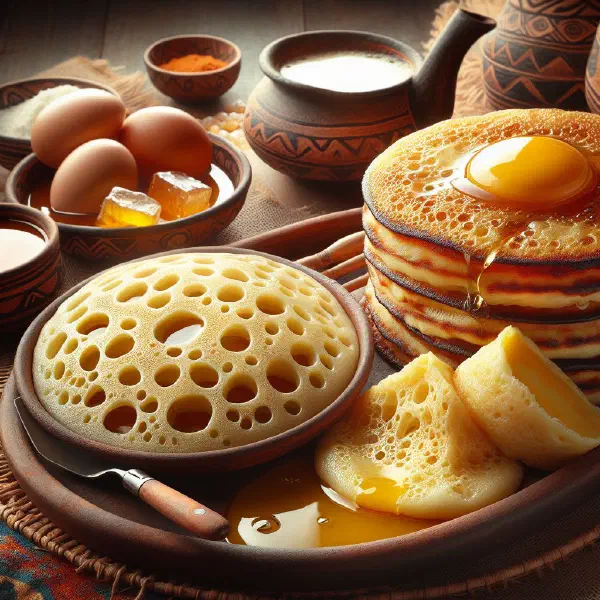
Canjeero is a traditional dish from Djibouti that quickly wins people over. These thin flatbreads appear on many a Djiboutian breakfast table and are as inexpensive as they are tasty. The main ingredient is a simple flour that, with careful handling, develops a wonderfully tender, spongy texture. Often served alongside rich stews or sauces, canjeero is a truly versatile dish that suits almost any occasion. It is one of the cornerstones of everyday Djiboutian cuisine.
Ingredients (serves 1–2)
- 1 cup flour (wheat or Djiboutian flour)
- 1 ½ cups water
- 1 teaspoon yeast
- 1 pinch of salt
- Oil for frying (optional)
Shopping for the ingredients
When shopping for canjeero, it is worth choosing good-quality ingredients to get the best result. Visit a local market or a well-stocked supermarket to find fresh flour. Check that the yeast is fresh and active, as this is what gives the bread its lift. Salt is a simple but essential ingredient that rounds off the flavour of the flatbread, so make sure you have it in the right quantity.
Preparing the dish
Before you start making canjeero, it helps to have everything ready. Measure the flour and the water accurately, and activate the yeast according to the instructions on the packet. Mix all the ingredients thoroughly in a bowl to achieve a smooth batter. The resting time is crucial, as this is what gives the bread its characteristic sponginess and light texture.
Step-by-step instructions
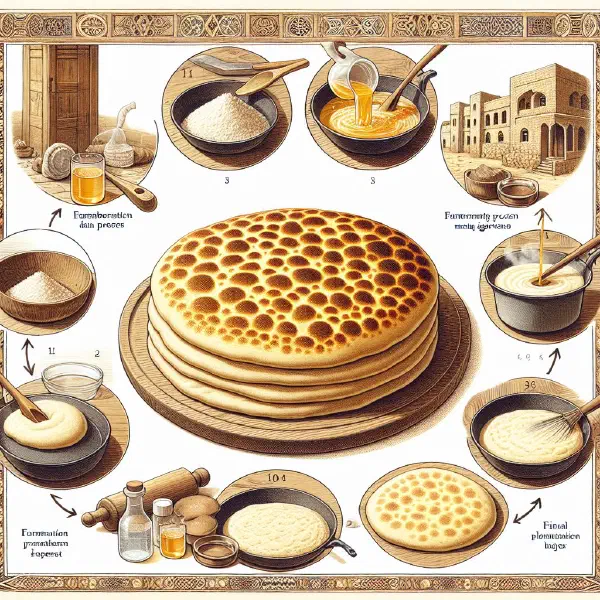
- Dissolve the yeast in warm water and leave it to rest for a few minutes.
- Put the flour and salt into a bowl and add the yeast-and-water mixture.
- Whisk the batter well until it is smooth and elastic.
- Cover the batter and leave it to rise in a warm place for about 1 hour.
- Divide the batter into small portions and spread each one thinly.
- Heat a pan and cook the flatbreads until golden on both sides.
Gluten-free / lactose-free version
For a gluten-free version, you can swap the wheat flour for a blend of gluten-free flours. Rice flour or chickpea flour both make excellent alternatives. To keep the recipe lactose-free, simply use a plant-based fat or frying oil to grease the pan. Take care to choose your ingredients thoughtfully to make sure they are suitable options for your needs.
Tips for vegans and vegetarians
Canjeero is naturally vegan, which makes it a superb choice for a plant-based diet. To add variety, serve it with different vegetables or pulses on the side. Vegan sauces or stews also make a delicious accompaniment that complements the mild flavour of the canjeero perfectly. Be creative with your sides to bring out your own personal taste, much as you would with a warming bowl of Maraq.
More tips and tricks
Another useful tip when making canjeero is that the temperature of the pan is decisive. A pan that is too hot will scorch the bread quickly, while one that is too cool will stop it rising properly. Practise your method to find the ideal heat before you cook the whole batch. Experiment with spices, too, to refine the aroma of your canjeero to taste.
Adapting the recipe to your taste
The canjeero recipe is incredibly adaptable. Add herbs and spices such as garlic or thyme to change the flavour profile. The topping can vary too, from savoury to sweet, let your creativity run free. Try different combinations to create your own favourite version, and pair it with dishes like Suqaar for a heartier plate.
Ingredient substitutions
If you do not have flour to hand, there are plenty of alternatives. Couscous or millet flour, for example, can also be used to make the batter. Create your own blends to influence the texture and flavour of your canjeero in a positive way. Consider seasonal ingredients too, which may bring an exciting change to the finished bread.
Drink pairing ideas
Plenty of drinks pair well with canjeero. Traditionally it is often served with chai or other teas, which complement its savoury character beautifully. For a non-alcoholic option, a minty lemonade or a glass of fruit juice also works nicely. Choose a drink that supports the flavours of your dish rather than overpowering them.
Serving and presentation ideas
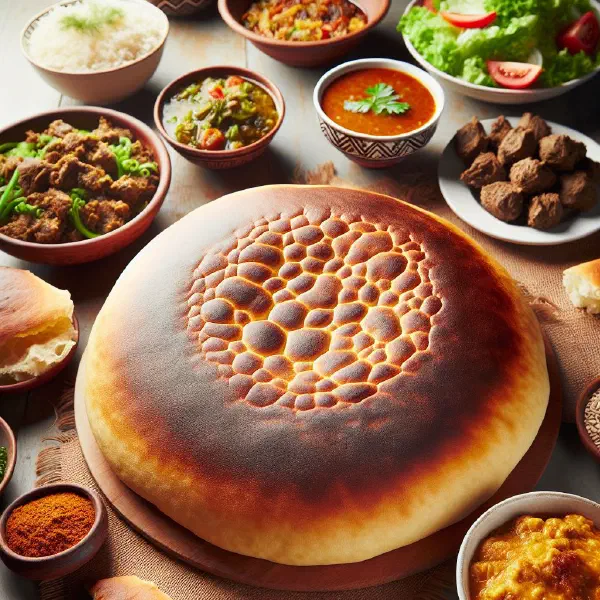
Presentation can make a real difference with canjeero. Use colourful plates and garnish the dish with fresh herbs or a spicy sauce to make it visually appealing. An attractive serving platter can also draw the eye, especially when you offer a selection of sides. Remember that we eat with our eyes as well, as with a spread of Sambuusa Mit Fisch.
A bit of history
Canjeero has a long tradition in Djibouti and forms part of the region’s culinary identity. It is often served at social gatherings and festive occasions. Historically, this dish was a staple food for many people in Djibouti. Making canjeero goes hand in hand with community, reflecting the valued role that food plays in the culture, much like its close relative Laxoox.
More recipe ideas
Summary: Canjeero
Canjeero is a remarkable dish that is easy to make and offers countless variations and accompaniments. This traditional flatbread lends every meal a special touch and is a wonderful way to bring the flavours of Djibouti to the table. By using fresh ingredients and creative sides, you can create a culinary experience that will pleasure family and friends alike. Give it a try and let yourself be won over by the world of canjeero.