National Dish Djibouti: Canjeero with Malawax (Recipe)
In this article
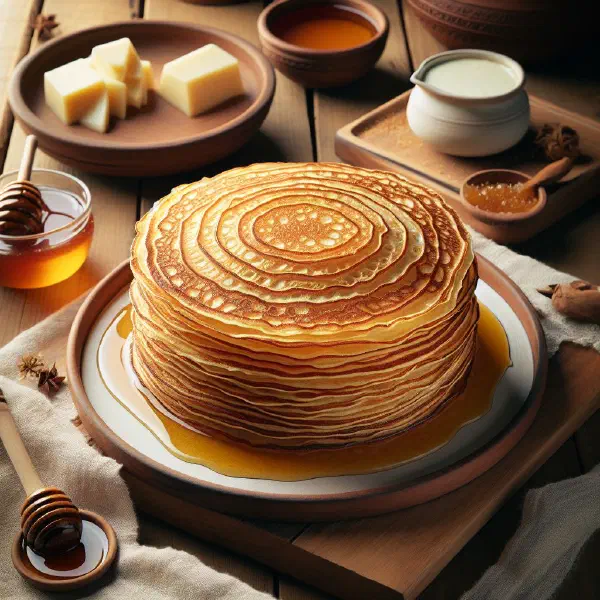
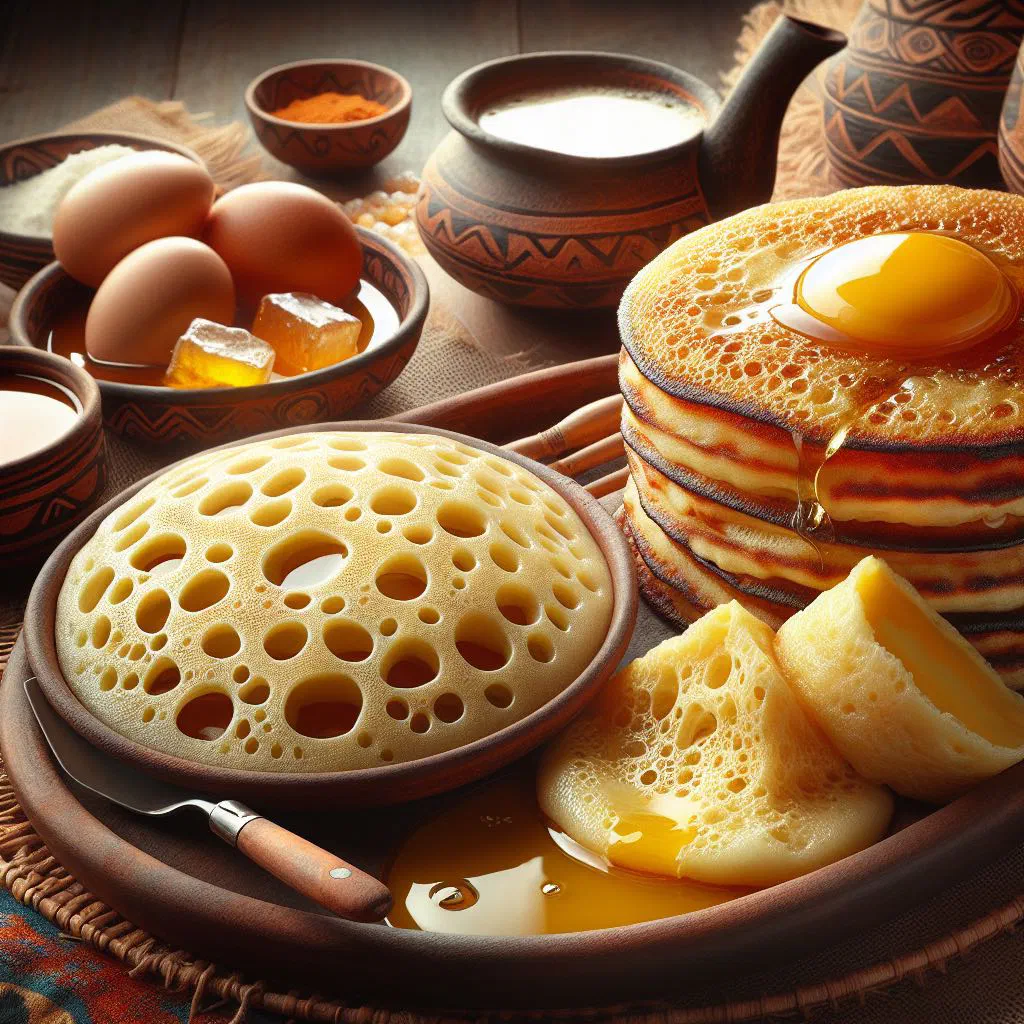
Meet Canjeero, a soft, gently tangy flatbread that sits at the heart of the Djiboutian table. Traditionally paired with Malawax and a spread of savoury dips, it is the sort of easygoing dish that turns breakfast into a small celebration. Made from just a handful of storecupboard staples and lifted by a slow fermentation that gives it its signature sour note, canjeero is endlessly versatile, a genuine taste of the Horn of Africa you can bring to your own kitchen.
About Canjeero with Malawax
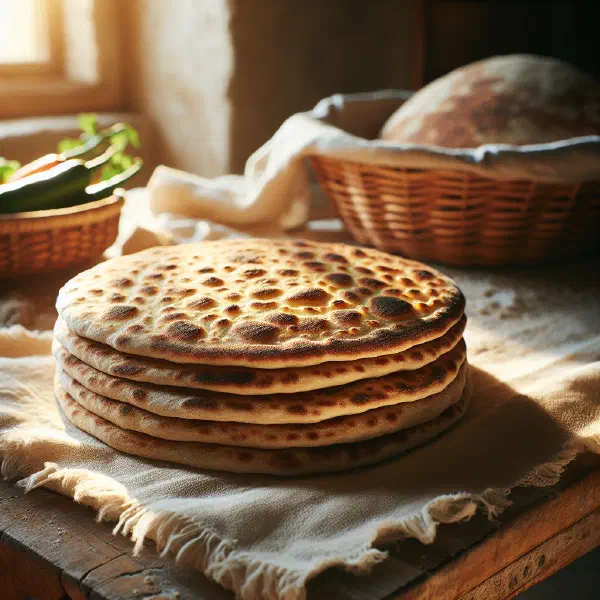
Canjeero is a traditional Djiboutian flatbread most often enjoyed as breakfast or a light snack. It calls for only a few ingredients, which makes it a simple yet thoroughly rewarding dish to prepare. The texture is soft and springy, with a mild sourness that develops during fermentation. Canjeero is typically served with a variety of dips and spreads, and that adaptability is exactly what makes it such a staple across Djiboutian homes. Much like the closely related Canjeero, it rewards a little patience with a wonderfully honest flavour.
Ingredients (serves 1–2)
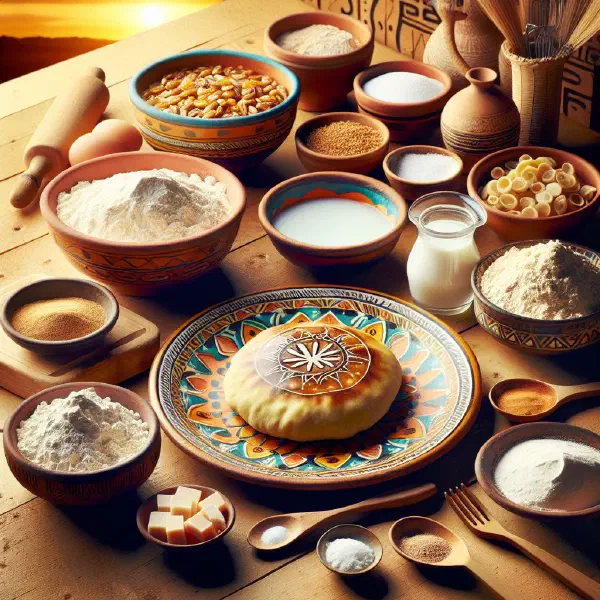
- 1 cup water
- 1 cup flour (e.g. plain or wholemeal)
- 1/2 cup yoghurt (optional, for extra flavour)
- 1 teaspoon baking powder
- 1/2 teaspoon salt
Shopping for the ingredients
The ingredients for canjeero are easy to find in most supermarkets. Look out for fresh flour and good-quality yoghurt to get the best results. If you need a gluten-free option, there are plenty of specialist gluten-free flours you can use instead. It is also well worth visiting local markets or Middle Eastern and East African grocers to track down authentic ingredients, much as you might when shopping for a batch of Laxoox.
Preparing the dish
Before you start making canjeero, gather all your ingredients together. Measure the flour and the water carefully to guarantee the right consistency. If you are using yoghurt, make sure it is not too thick so that it blends smoothly into the batter. Keep your utensils and work surfaces clean throughout to avoid any cross-contamination.
Step-by-step instructions
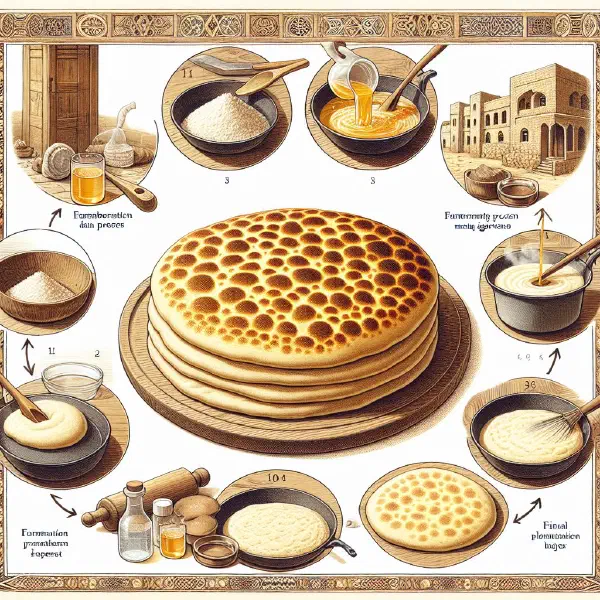
- In a bowl, combine the flour with the baking powder and salt.
- Gradually add the water and yoghurt, stirring until you have a smooth batter.
- Cover the bowl with a cloth and leave the batter to rest for around 30 to 60 minutes so it can ferment.
- Heat a pan over medium heat and add a little oil to stop the batter sticking.
- Pour small rounds of batter into the hot pan and cook until golden brown.
Gluten-free / lactose-free version
For a gluten-free version of canjeero, you can use rice or maize flour. These flours may need a little xanthan gum or another binder to achieve the right consistency. If you want a lactose-free option, swap the yoghurt for a plant-based alternative such as coconut or soya yoghurt. Keep an eye on the cooking time and adjust it if needed to get the best texture.
Tips for vegans and vegetarians
Canjeero is naturally vegan, as long as you leave out the yoghurt or replace it with a plant-based alternative. Experiment with different plant-based dips, guacamole or hummus, for example, to add extra flavour to every bite. You can also serve it with fresh vegetables or tofu for more protein and nutrients. These little tweaks make the dish not only tasty but genuinely wholesome, and a bowl of Hummus makes a natural partner.
More tips and tricks
To bake the perfect canjeero, be patient, especially during the fermentation stage. Giving the batter enough time to rest improves the flavour dramatically. Experiment with the thickness of your flatbreads too: thinner canjeeros turn out crisper, while thicker ones stay softer. Take care not to let the pan get too hot, as this can lead to uneven cooking.
Adapting the recipe to your taste
The basic canjeero recipe is easy to adapt, so you can add meat, vegetables or spices to suit your palate. Try stirring toasted spices such as cumin or coriander into the batter to deepen the flavour. You can also vary the consistency of the batter by adding a little more liquid or flour, depending on the result you are after. This flexibility makes canjeero a genuinely fun dish for any cook.
Ingredient substitutions
If you do not have every ingredient to hand, there are plenty of suitable alternatives. Instead of yoghurt, you can use kefir or another fermented product for a similar effect. For a gluten-free option, buckwheat or chickpea flour both work well. And for an extra layer of flavour, mix fresh herbs into the batter according to what is in season.
Drink pairing ideas
Plenty of drinks pair beautifully with canjeero and round out its flavour. Try serving lemonade or peppermint tea to create a refreshing contrast to the savoury notes of the flatbread. A cup of Arabic coffee or spiced tea also makes an excellent companion.
Serving and presentation ideas
Presentation is key to making the most of your canjeero and appealing to all the senses. Serve the flatbreads alongside colourful dips and a selection of fresh vegetables. Use an attractive serving board or platter to show off the different colours and textures. Offering the dips in small individual bowls is another lovely touch that makes the whole spread look livelier, much as you might present a plate of Bajiya.
A bit of history
Canjeero carries deep cultural significance in Djibouti and across the Horn of Africa. It is closely tied to family and community, and plays a central role in social gatherings. Originally prepared by nomadic peoples, it has grown into a beloved dish found in most households. This traditional method of preparation is passed down from one generation to the next and has firm roots in Djiboutian history, a heritage shared throughout Djiboutian cuisine.
More recipe ideas
Summary: Canjeero with Malawax
Canjeero is far more than a simple dish. It is a piece of the culinary culture of the Horn of Africa. Its uncomplicated preparation and versatility make it an ideal choice for anyone keen to explore new flavours. With just a few small adjustments you can shape it entirely to your own taste, and the freedom to pair it with all manner of dips means it never grows dull. Get ready to dive into the delicious world of Djiboutian cooking.