National Dish Djibouti: Fettah (Recipe)
In this article
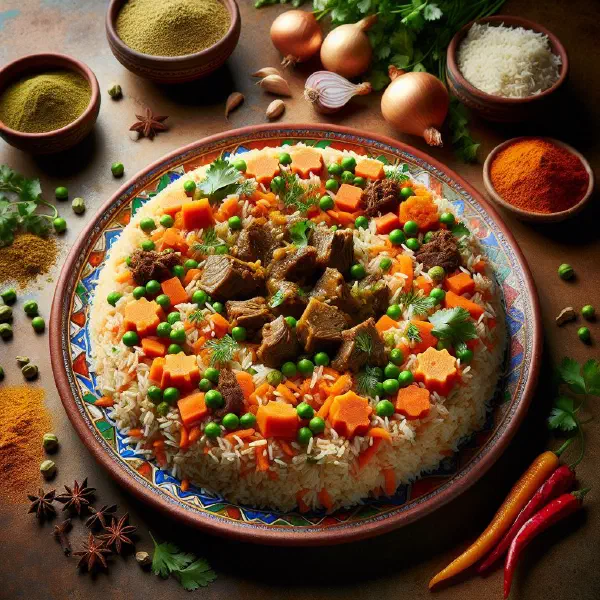
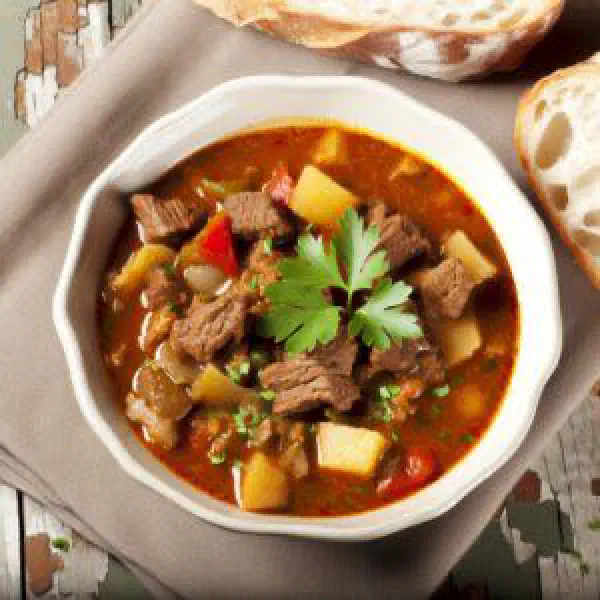
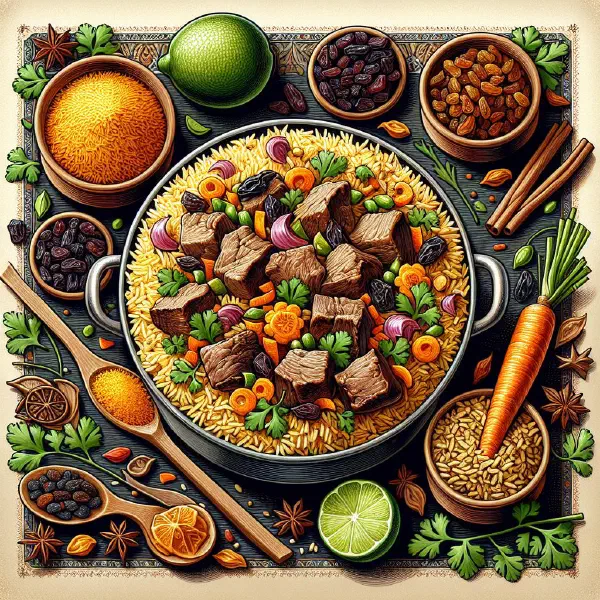
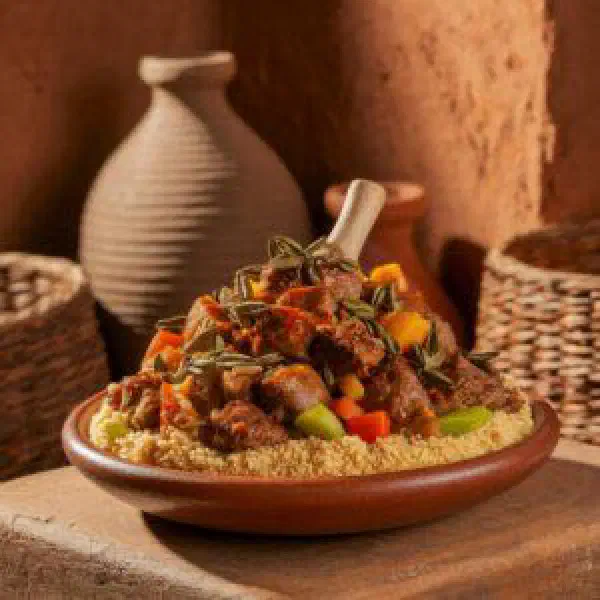
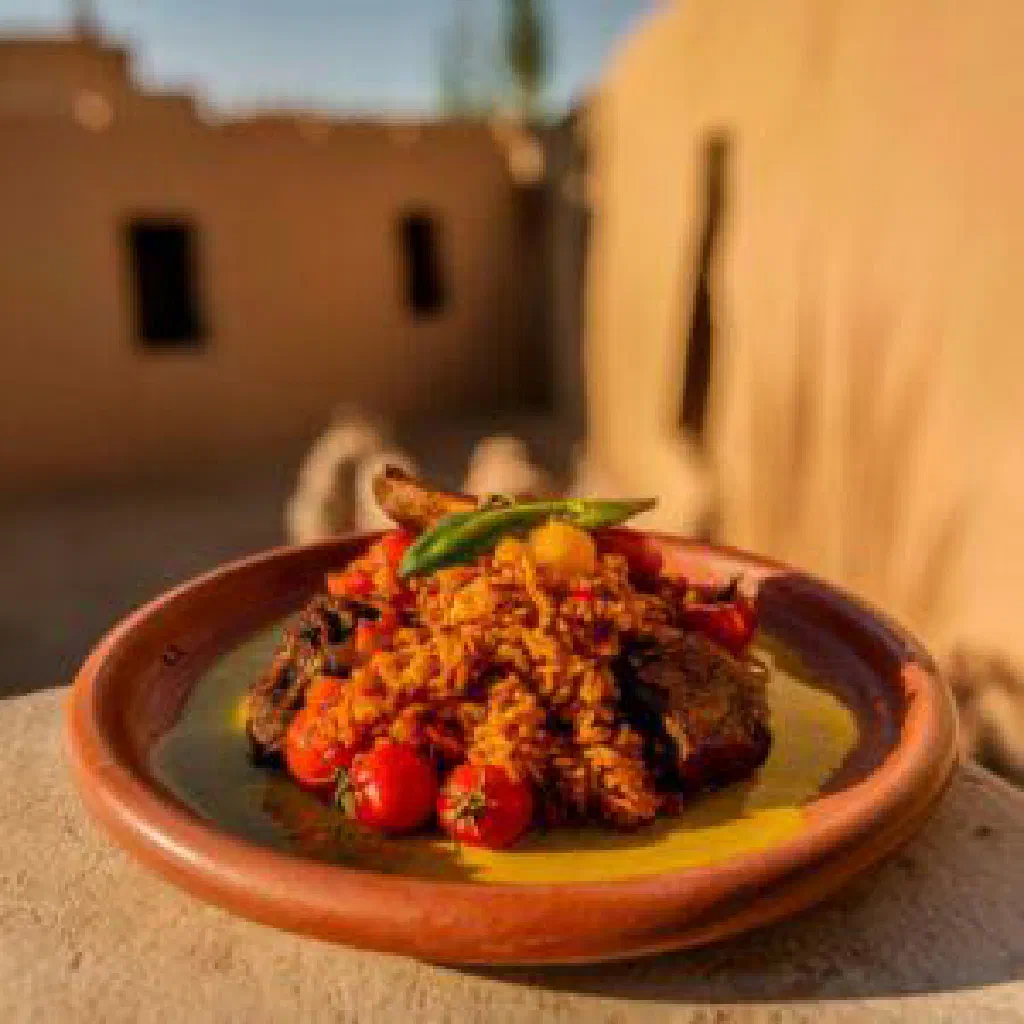
Say hello to Fettah, a soul-warming classic from Djibouti that layers pieces of soft flatbread with tender meat and fresh vegetables, all brought together in a fragrant, spiced broth. It is the kind of dish that turns a meal into a gathering, a symbol of the country’s famed hospitality and a favourite at family celebrations. With its slow-simmered depth and comforting textures, Fettah offers a genuine taste of Djiboutian home cooking that is well worth bringing to your own table.
About Fettah
Fettah is a traditional dish from Djibouti, rich in both flavour and texture. It brings together tender slices of bread, hearty meat and fresh vegetables, all served in a spiced broth that ties everything together. More than just a meal, it is a mark of the hospitality and culture that Djibouti is known for. Whether at a family celebration or a relaxed social gathering, Fettah has a way of drawing people together and creating a memorable dining experience.
Ingredients (serves 1–2)
- 250 g lamb or beef
- 2 large flatbreads
- 1 onion
- 2 tomatoes
- 1–2 carrots
- 2–3 garlic cloves
- 1 tsp cumin
- 1 tsp paprika
- Salt and pepper, to taste
- Fresh coriander, to garnish
- 1 litre water or stock
Shopping for the ingredients
When shopping for Fettah, it is well worth paying attention to freshness and quality. Visit a local market or an ethnic grocery to track down the best ingredients. Take particular care with the meat, which should be tender and nicely marbled to deliver the perfect flavour. The vegetables and spices should be fresh too, so the dish can develop its full, rounded taste. These same market habits serve you well for other regional favourites such as Maraq.
Preparing the dish
Good preparation is key to intensifying the flavours of Fettah. Begin by cutting the meat into small pieces and getting the onion and vegetables ready. The bread should be lightly dried or toasted so it soaks up the broth while deepening its own flavour. A little organisation up front ensures the cooking itself goes quickly and smoothly.
Step-by-step instructions
- Brown the lamb or beef in a pan until lightly coloured.
- Add the chopped onion and garlic, and continue frying until softened.
- Stir in the tomatoes and carrots, followed by the cumin, paprika, salt and pepper.
- Pour in the water or stock, bring to the boil, then reduce the heat and leave to simmer for 1–2 hours.
- Tear the flatbread into pieces and lay them in the broth until thoroughly soaked.
- Garnish with fresh coriander just before serving.
Gluten-free / lactose-free version
For a gluten-free version of Fettah, use a gluten-free bread or leave the bread out altogether and add more vegetables such as courgette instead. A lactose-free variant needs no special changes at all, since the traditional recipe contains no dairy. These simple alternatives keep the full flavour of the dish intact while making it suitable for more diners.
Tips for vegans and vegetarians
To adapt Fettah for vegans or vegetarians, you can swap the meat for chickpeas or tofu. These protein sources are a healthy alternative and soak up the flavours of the broth beautifully. You might also add a variety of vegetables such as pumpkin or aubergine to make the dish even more colourful and satisfying. That way Fettah remains a tasty, nourishing meal for everyone at the table.
More tips and tricks
A few tips can make Fettah tastier still. Experiment with spices such as cinnamon or cloves to add extra layers of aroma. Let the dish rest for a few minutes after cooking so the flavours can settle and develop. Cooking it in a heavy pot or a tagine is ideal, as this concentrates the aromas and helps everything cook evenly.
Adapting the recipe to your taste
Fettah is easy to tailor to your own preferences. If you like more heat, add chilli flakes or fresh chillies. The choice of meat can vary too, instead of lamb or beef, you could use chicken or fish. This flexibility makes Fettah a versatile dish that can be adjusted to suit just about any palate, much like the adaptable Suqaar.
Ingredient substitutions
If some ingredients are hard to find, there are plenty of alternatives. The lamb can be replaced with chicken breast, which cooks more quickly and makes for a lighter option. When fresh tomatoes are not available, tinned tomatoes work well to provide the liquid and flavour you need. Bear in mind, though, that fresh ingredients usually deliver the best results.
Drink pairing ideas
A number of drinks pair wonderfully with Fettah and round out the meal. A classic Arabic mint tea is a popular choice, as it balances the flavours of the food beautifully. Alternatively, a light, fruity beer or a mild red wine helps to accentuate the dish’s spiced notes. Whatever you choose, the aim is for the drink to support the flavours rather than overpower them.
Serving and presentation ideas
The presentation of Fettah matters just as much as the cooking. Serve it on a large, decorative platter where the colourful ingredients can really shine. Garnish with fresh coriander and a squeeze of lemon juice to lift both the colours and the aromas. Small bowls of extra accompaniments such as pickles or yoghurt make a lovely addition for guests to help themselves to.
A bit of history
The origins of Fettah lie in the culinary heritage of Djibouti, shaped by a range of cultures and traditions. Historically, it was prepared by nomadic peoples who needed to make sustainable, resourceful use of their food. Over time the dish has evolved and today it is a firm fixture of Djiboutian cuisine, served in homes and restaurants alike. Fettah is therefore not simply a meal, but a slice of culture and history.
More recipe ideas
Summary: Fettah
To sum up, Fettah is an exceptional dish, rich in tradition and flavour. It combines a range of ingredients into one harmonious experience and reflects the essential hospitality of Djibouti. Fettah always brings something special to the table. Discover the many possibilities this dish has to offer, and let its simplicity and flavour win you over.