National Dish Djibouti: Harira (Recipe)
In this article
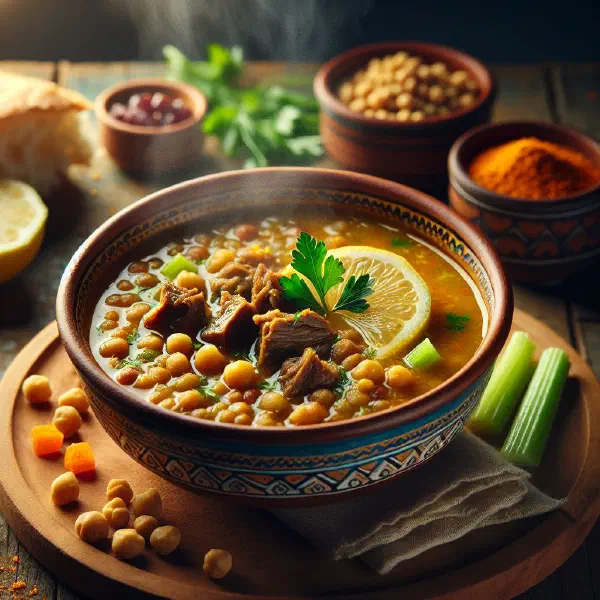
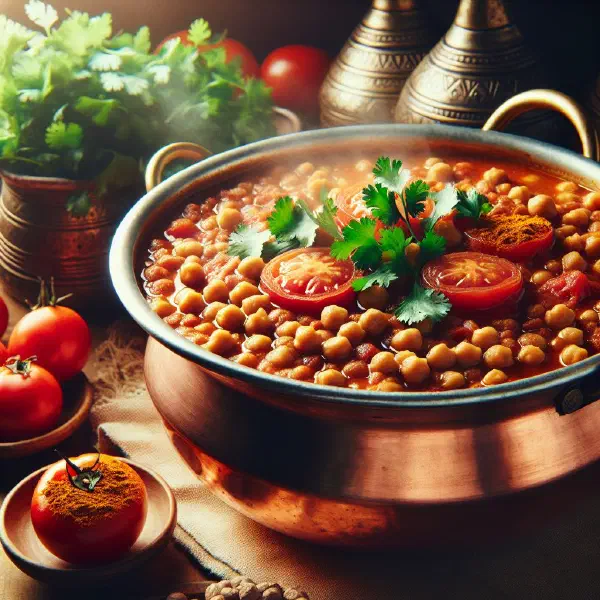
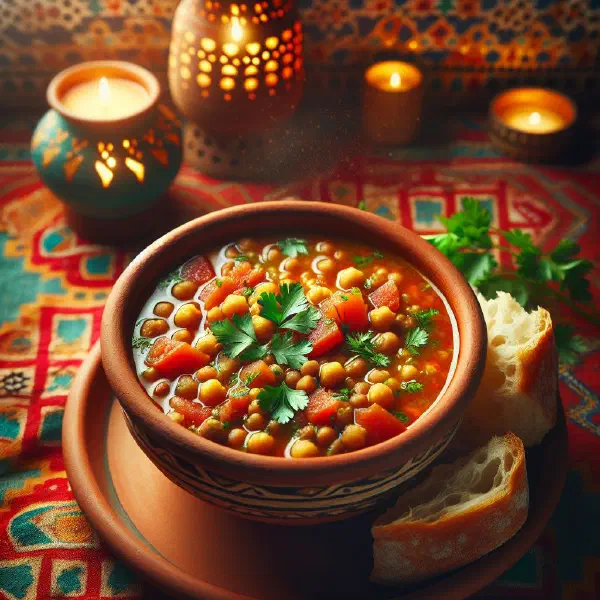
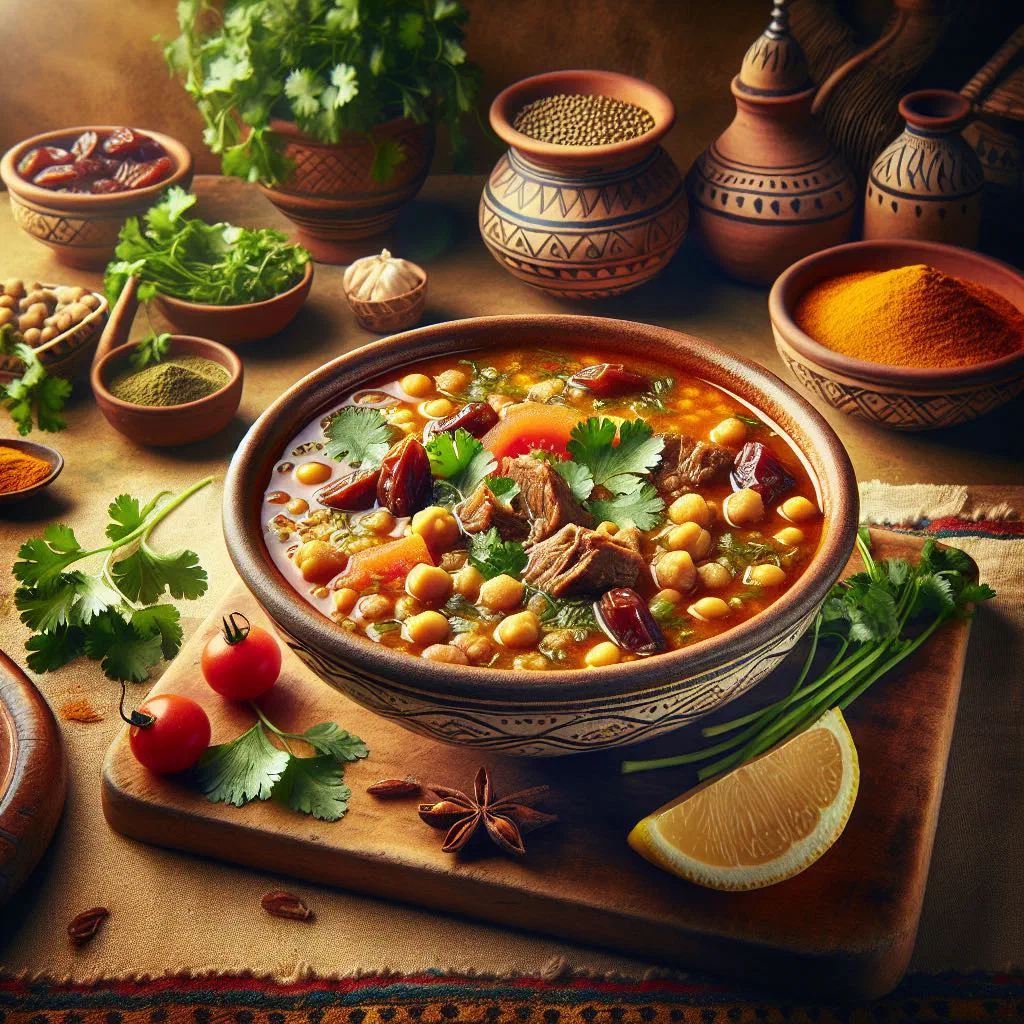
Warm, fragrant and deeply comforting, Harira is the beloved national dish of Djibouti, a hearty soup built on lentils, chickpeas and a generous handful of fresh herbs. Gently spiced with cumin, cinnamon and paprika, it carries the flavours of North Africa and the Middle East in every spoonful. Whether shared among friends or enjoyed as a nourishing meal at home, this soup is a wonderful window into the culinary traditions of Djibouti.
About Harira
Harira is a traditional national dish of Djibouti and a symbol of the warm hospitality for which the country is known. This hearty soup is made from a variety of delicious ingredients, which together make it a wonderfully warming treat. Harira is especially prized for its use of lentils, chickpeas and fresh herbs, which combine to create a harmonious flavour. Whether at sociable gatherings or as a nourishing everyday meal, Harira is hugely popular in Djibouti and invites you to explore the country’s rich cultural tapestry.
Ingredients (serves 1–2)
- 1 cup lentils
- 1 cup chickpeas (cooked)
- 1 onion, finely chopped
- 2 cloves garlic, finely chopped
- 1 tomato, chopped
- 1 handful fresh parsley, chopped
- 1 handful fresh coriander, chopped
- 2 tablespoons olive oil
- 1 litre vegetable stock
- Spices: cumin, cinnamon, paprika, pepper and salt to taste
Shopping for the ingredients
If you want to make Harira, it is important to choose fresh, good-quality ingredients. Start with the pulses, lentils and chickpeas are the essential building blocks of this dish. Buy the chickpeas either pre-cooked or dried, whichever is easier for you. The fresh herbs also play a decisive role, giving the dish its distinctive character and bright, fresh flavour.
Preparing the dish
Proper preparation is the key to a successful pot of Harira. Begin by soaking the lentils in water if you are using dried ones. This shortens the cooking time and gives a better consistency. While the lentils soak, you can chop the fresh herbs and get the vegetables ready. Good groundwork makes the cooking easier and keeps everything running smoothly.
Step-by-step instructions
- Heat the olive oil in a large pot and add the onion. Sauté until translucent.
- Add the garlic and the chopped tomato and cook until the tomato softens.
- Add the lentils and chickpeas to the pot and stir everything together well.
- Pour in the vegetable stock and bring the whole thing to the boil.
- Reduce the heat and let the soup simmer for about 30 minutes, until the lentils are tender.
- Add the chopped herbs and spices and cook the soup for a further 5 minutes.
Gluten-free / lactose-free version
One great advantage of Harira is that the recipe is naturally gluten-free and lactose-free. Since the main ingredients are pulses, you can enjoy it with complete confidence even if you have a gluten intolerance. Just make sure that the vegetable stock you use is also gluten-free. This lets many people savour the flavours of Djibouti without a second thought.
Tips for vegans and vegetarians
Harira is an extremely versatile dish that is perfect for vegans and vegetarians. The pulses are full of flavour and an excellent source of protein. If you want to avoid animal products, make sure the vegetable stock contains no animal-derived ingredients. Beyond that, you can adapt the recipe by adding extra vegetables such as carrots or courgettes to boost its nutritional value.
More tips and tricks
To make your Harira even tastier, experiment with the spices and adjust them to your personal taste. Add a pinch of cayenne pepper, for instance, if you like a spicy note. A splash of lemon juice at the end of cooking can also lend the dish a refreshing acidity. Remember to taste the soup before serving to make sure the flavour is just right.
Adapting the recipe to your taste
If you want to adapt the Harira recipe to your own preferences, you can simply vary the main ingredient. Instead of lentils or chickpeas, you could use other pulses such as beans. It is also worth folding in different vegetables to create additional textures and flavours. Experiment with different herbs to discover new taste directions that suit your own palate.
Ingredient substitutions
If one of the main ingredients for Harira is not to your liking or is unavailable, there are plenty of alternatives. You could use barley in place of lentils, for example, which lends the soup a hearty, nutty note, much like the wholesome broth of a Marak Digir. For the chickpeas, you can also use black beans or red lentils. Trust your creativity and experiment with different combinations that suit you best.
Drink pairing ideas
To round off the Harira experience, you can serve a range of drinks. A refreshing mint tea is a popular choice and pairs beautifully with the flavours of the soup. Alternatively, offer a chilled sparkling water or a light lemonade to accompany the hearty soup. If you prefer wine, choose a light red that is not too dominant, so as not to overpower the delicious flavour of Harira.
Serving and presentation ideas
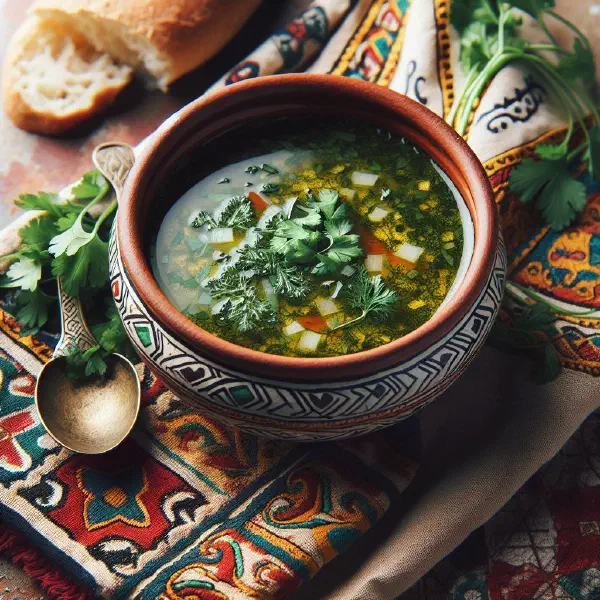
Presentation plays an important part in serving Harira. Present the soup in decorative bowls or plates that reflect the cultural background of the dish. You can add fresh herbs or a slice of lemon as a garnish to make the dish visually appealing. A thoughtful presentation ensures that the meal not only tastes good but is also a pleasure to look at.
A bit of history
Harira has a long history and is deeply rooted in the culture of Djibouti. Traditionally it is served during the fasting month of Ramadan, to break the day with a nourishing and warming meal. The soup also has its roots in Arabic cooking and is treasured in many countries of the Middle East and North Africa. This cultural exchange and the variety of ingredients reflect the history and traditions of Djiboutian cuisine and make Harira a dish with a very special meaning.
More recipe ideas
Summary: Harira
Harira is a versatile and nourishing dish that captures the unique flavour of Djibouti. With its combination of lentils, chickpeas and fresh herbs, it offers a superb option for sociable occasions or simply as a healthy meal at home. Vegetarian or just a lover of exotic cuisine, the recipe adapts to different tastes and offers plenty of scope for creative variations. Discover the delicious flavours of Djibouti with Harira and let this traditional dish work its magic.