National Dish Djibouti: Malawah (Recipe)
In this article
Discover Malawah, one of Djibouti’s most cherished flatbreads. These thin, golden rounds capture the flavours of the Horn of Africa in the simplest of forms. Crisp at the edges yet soft and airy within, they are just as welcome at the breakfast table as they are as an afternoon snack. With only a handful of storecupboard ingredients, you can bring a taste of this coastal nation straight into your own kitchen.
About Malawah
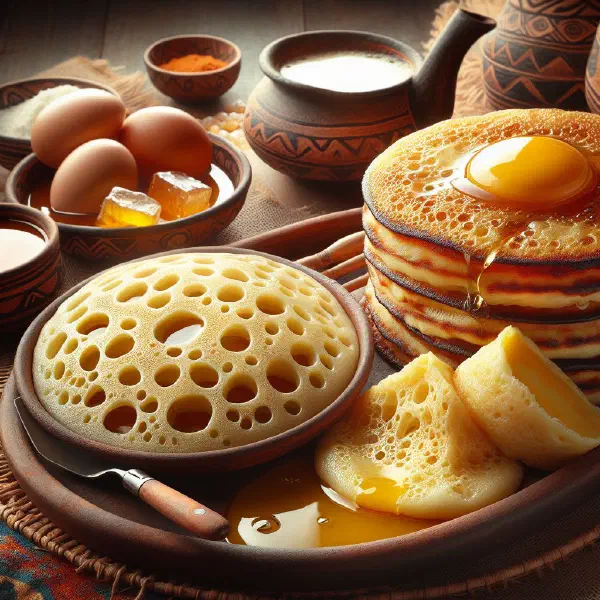
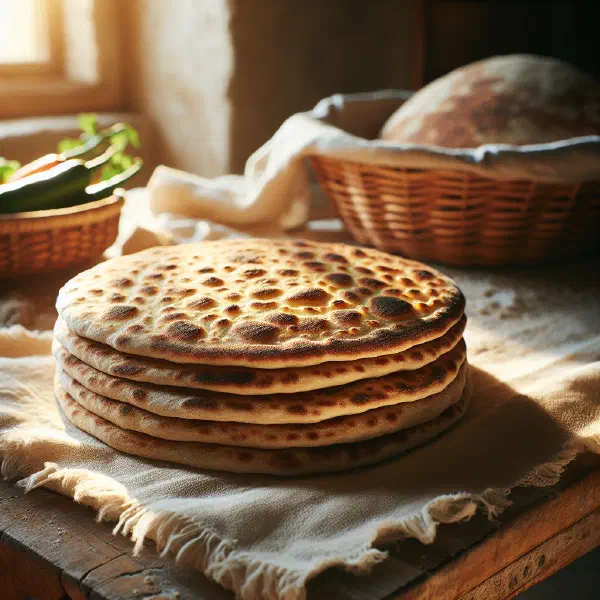
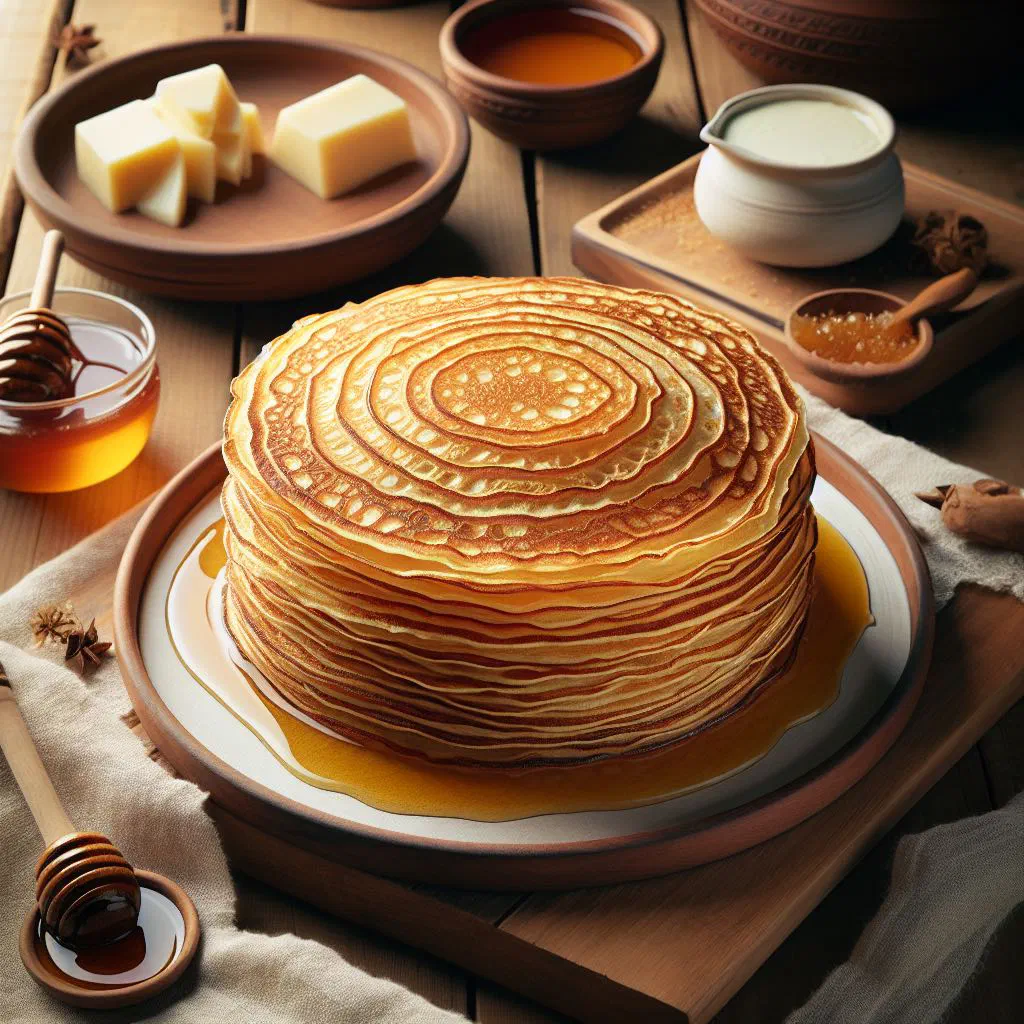
Malawah is a traditional flatbread from Djibouti that beautifully reflects the culinary influences of the Horn of Africa. These thin rounds are distinctive in flavour and wonderfully versatile. They can be enjoyed for breakfast or as a snack, and they pair perfectly with all manner of accompaniments. What sets malawah apart is the contrast between its crisp outer layer and its soft, airy centre, which turns every bite into a treat.
Ingredients (serves 1–2)
- 150 g flour (wheat or spelt)
- 150 ml water
- 1 teaspoon salt
- 1 tablespoon oil (olive or vegetable)
Shopping for the ingredients
To prepare malawah well, it is important to choose the right ingredients. Flour is the main component, and its quality plays a decisive role in the final result. Be sure to use fresh, good-quality flour. Mild-flavoured oils are ideal, as they will not overpower the natural taste of the flatbread. Everything you need is easy to find in an ordinary supermarket.
Preparing the dish
Before you begin making malawah, gather all your ingredients together. Measure the flour and water precisely, and make sure you have a clean, tidy work surface. It is also worth setting out the pan you will use to fry the malawah ahead of time. Good preparation makes the cooking far easier and helps you achieve a better result.
Step-by-step instructions
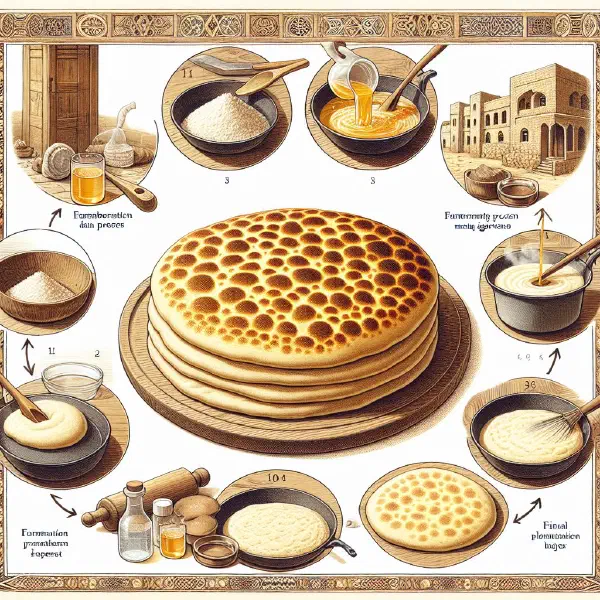
- Combine the flour, water, salt and oil thoroughly in a bowl until you have a smooth dough.
- Leave the dough to rest for about 30 minutes so that it becomes elastic.
- Divide the dough into small portions and roll each one out thinly.
- Heat a pan and add a little oil, then place the rolled-out flatbreads into the pan one at a time.
- Fry each round for 2–3 minutes per side until golden brown and crisp.
Gluten-free / lactose-free version
Malawah is a highly adaptable recipe that can easily be made gluten-free. Simply use a gluten-free flour with a consistency similar to wheat flour. For a lactose-free version, choose whichever oil you prefer and make sure there are no dairy products hidden in your accompaniments. This keeps the authentic flavour intact so that everyone can enjoy this delicious flatbread.
Tips for vegans and vegetarians
Malawah is naturally vegan, as none of its ingredients contain animal products. To make the dish even more satisfying, you can add vegan sides such as avocado, roasted vegetables or hummus, a natural partner best made from a proper Hummus recipe. These additions bring both flavour and nutrients to the plate. Experiment with different accompaniments to find your personal favourite.
More tips and tricks
A few small tricks will help you make the perfect malawah. Be sure to preheat the pan well to ensure even cooking. You can also adjust the heat as the flatbreads fry, should they begin to brown too quickly. Another helpful detail is to rest the dough only briefly; this gives better results without lengthening the preparation time significantly.
Adapting the recipe to your taste
The malawah recipe is easy to adjust to personal preference. Add spices such as cumin or coriander to the dough, for instance, to work in extra layers of flavour. The amount of salt can also be varied to taste. Experiment with different fillings or sides, much as you might with a soft Anjero, to discover new flavour combinations.
Ingredient substitutions
If you do not have certain ingredients to hand, there are plenty of alternatives. In place of water, you can use plant-based milk to give the dough an extra note of flavour. For gluten-free options, there are various flours you can turn to, such as rice flour or almond flour. Be creative and adapt the recipe to whatever you have in your cupboard, in the same resourceful spirit that shapes a homemade Sabayaad.
Drink pairing ideas
The perfect companions to malawah are refreshing drinks that complement the flavour of the dish. Fresh mint tea or fruit juices are ideal for harmonising the aromas. Yoghurt drinks can also make for an interesting combination. Choose whatever you enjoy most to round off your culinary experience.
Serving and presentation ideas
Presentation plays a big part in showing the dish off to its best. Serve malawah on a large plate and garnish it with fresh herbs or a colourful selection of sides. A beautiful serving platter can make a real difference and make the dish look all the more inviting.
A bit of history
Malawah has a rich cultural history that is deeply rooted in the traditions of Djibouti. Many families keep their own recipe variations, passed down over generations. The dish reflects the influences of the various cultures that live across the Horn of Africa, a heritage shared throughout Djiboutian cuisine. It is more than mere food; malawah symbolises community and hospitality.
More recipe ideas
Summary: Malawah
Malawah is a delicious and versatile dish that embodies the flavours and traditions of Djibouti. With its simple ingredients and straightforward preparation, it is perfectly suited to any occasion. Whether as a breakfast or a snack, malawah is easily tailored to personal taste and welcomes a wide range of accompaniments. Experience the essence of the Horn of Africa and savour this unique flavour.