National Dish Djibouti: Sabaya (Recipe)
In this article
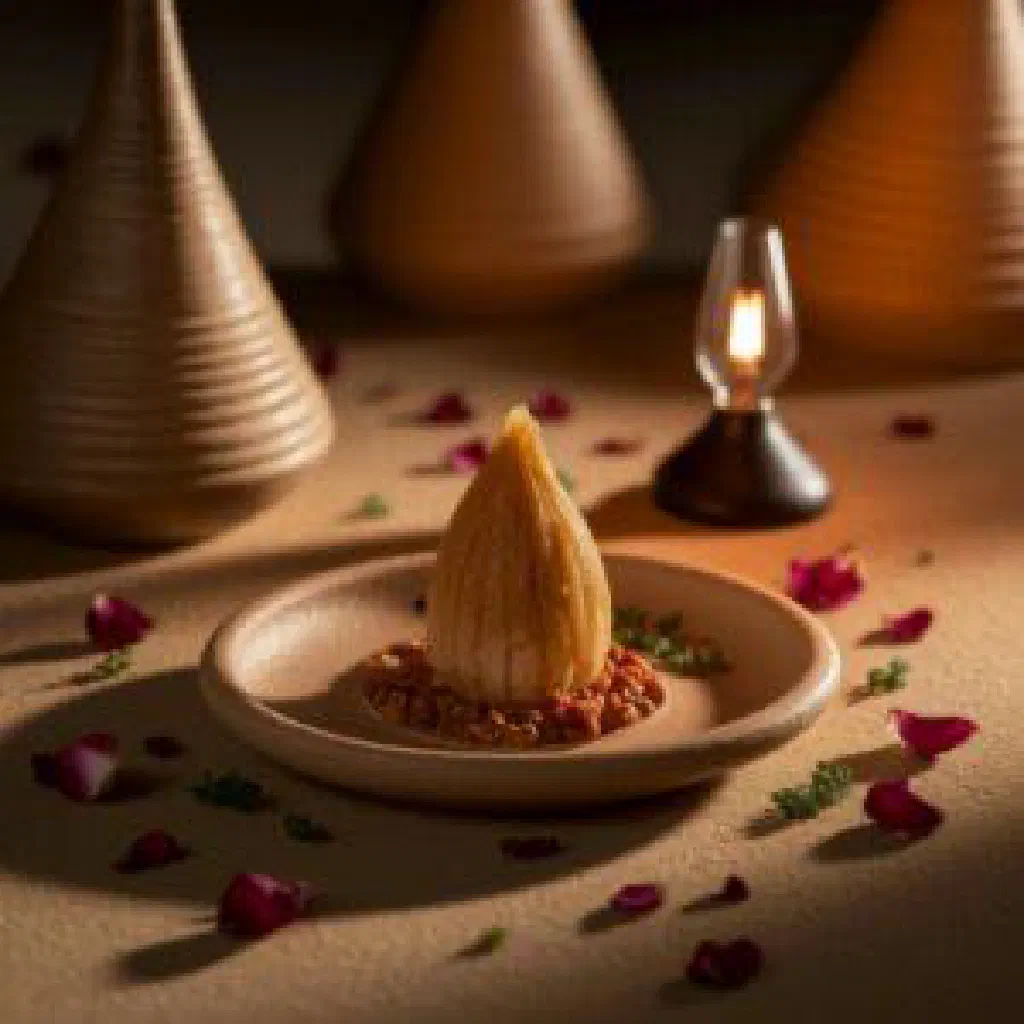
Meet Sabaya, a much-loved treat from Djibouti built on wafer-thin, feather-light layers of pastry. Sweetened with honey and studded with nuts and dates, it is as much a feast for the eyes as it is for the palate. Usually served warm, it turns up at celebrations and special gatherings across the Horn of Africa, and it is surprisingly straightforward to recreate in your own kitchen.
About Sabaya
Sabaya is a traditional Djiboutian dish celebrated for its delicate, airy layers of pastry. The beloved combination of honey, nuts and dates gives the dish a very good aroma. Sabaya is typically served warm and is ideal for festivities or special occasions, when its rich sweetness feels particularly welcome.
Ingredients (serves 1–2)
- 200 g flour
- 100 ml water
- 2 tablespoons oil
- 50 g honey
- 50 g chopped nuts
- 50 g dates, stoned and chopped
- 1 pinch of salt
Shopping for the ingredients
The ingredients for sabaya are easy to find in a regular supermarket or an Asian grocery. Be sure to choose good-quality dates and nuts, as these have a big influence on the final flavour of the dish. Flour is usually available in several varieties; for a gluten-free result, alternative flours such as almond or rice flour are well worth considering. The oil matters too, so reach for a neutral oil that will not mask the other aromas.
Preparing the dish
Preparing sabaya is fairly simple but calls for a little time and patience. First, gather and measure out all of your ingredients. Get your work surface ready too, making sure it is clean and dry. That way you can assemble the pastry layers and fillings in a relaxed manner and keep the whole process running smoothly.
Step-by-step instructions
- In a bowl, combine the flour with the water and oil until you have a smooth dough.
- Let the dough rest for about 30 minutes so it becomes elastic.
- Divide the dough into small portions and roll out thin sheets.
- Prepare the filling of honey, chopped nuts and dates, then spread it over the pastry sheets.
- Stack the layers on top of one another and bake in your chosen shape until golden brown.
- Drizzle with honey and serve warm.
Gluten-free / lactose-free version
For a gluten-free version of sabaya, simply use gluten-free flour instead of regular flour. Cornflour, or a blend of rice and potato flour, also works well. The other ingredients are generally lactose-free, honey among them. Even so, do check the labels on your nuts and other components for any hidden lactose.
Tips for vegans and vegetarians
To make sabaya vegan, replace the honey with agave syrup or another plant-based sweetener. Take care that the nuts and dates you use are free of animal products too. The method stays largely the same, with the sweetener being the only real change. That way vegans can enjoy this delicious dish just as much as everyone else.
More tips and tricks
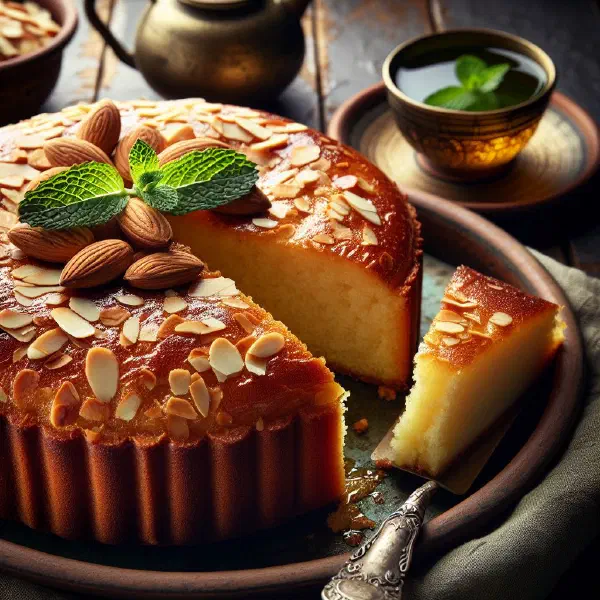
For an especially successful sabaya, let the dough rest long enough so it can rise nicely. Take care not to roll the sheets too thickly, so the dish stays soft and fluffy inside. If you fancy something a little more exciting, work some cinnamon or other spices into the filling. This deepens the aromas and gives your sabaya a personal touch, much like the warming spice used in Basbousa.
Adapting the recipe to your taste
Depending on your own preferences, you can adjust the fillings to suit. Add extra nuts such as almonds or walnuts, or swap the dates for other dried fruits like apricots or raisins. Experiment with the spices to hit your ideal flavour, and adjust the sweetness to your liking. In this way sabaya becomes a masterpiece all of your own.
Ingredient substitutions
If you happen to be missing one of the ingredients, there are plenty of alternatives you can turn to instead. Olive oil, for example, can stand in for neutral oil and lends the dish a distinctive character. For the nut filling you might also consider desiccated coconut, an idea it shares with the coconut-rich Gashaato. The variety of possible ingredients makes sabaya extremely adaptable and opens up a world of culinary options.
Drink pairing ideas
Several drinks pair beautifully with sabaya. A refreshing mint tea makes an ideal companion, balancing out the sweetness of the dish. Alternatively, a pink fruit smoothie made from dates and berries goes down well. A simple, cool iced tea or fresh water with lemon are perfect matches too, rounding off the whole experience.
Serving and presentation ideas
For an attractive presentation of sabaya, it helps to plate the dish on a lovely, flat serving platter. Decorate the top layer with a little honey and a few whole nuts or dates. Fresh mint leaves make a fine garnish and add an extra note of freshness.
A bit of history
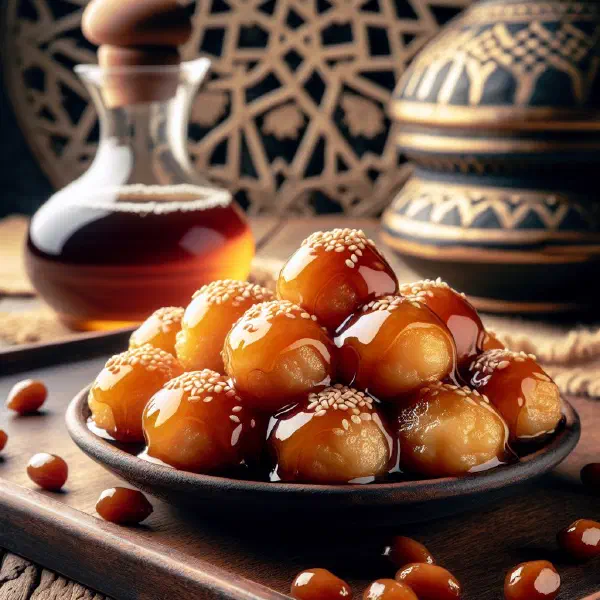
Sabaya has its roots in Arabian cuisine and reflects the rich culture of Djibouti. The dish is thought to have been prepared in the region for centuries and is often served at festive occasions. Traditionally, sabaya is passed down within the family and forms part of social gatherings. Today it has carved out a place in the wider world and enjoys great popularity well beyond Djibouti, taking its place among the sweets of Djiboutian cuisine alongside classics like Luqaimat.
More recipe ideas
Summary: Sabaya
Sabaya is a traditional and delicious dish from Djibouti that appeals to with its delicate pastry layers and aromatic fillings. Simple to prepare, it is perfect for special occasions or as a sweet finish to a meal. Whether with honey, nuts or dates, the variations are almost endless. Let the flavours of Djibouti tempt you and enjoy this wonderful treat.