National Dish Djibouti: Sabayaad (Recipe)

In this article
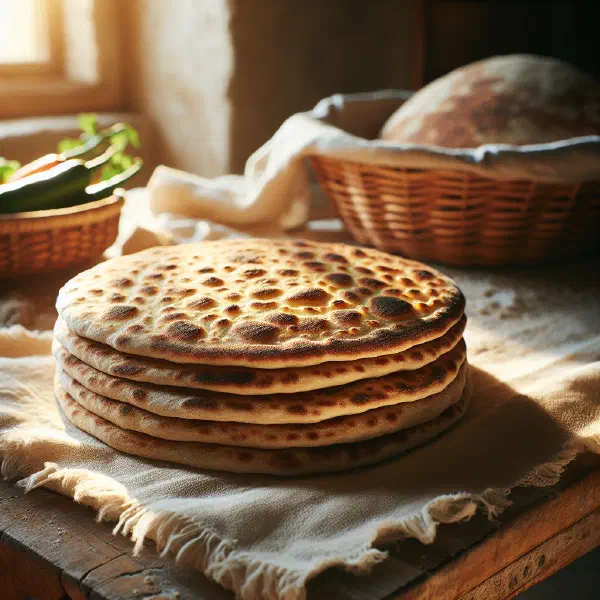
Meet Sabayaad, the national dish of Djibouti and a true feast for the senses. These thin, pan-fried flatbreads are wonderfully versatile, delicious on their own or alongside a hearty main, and they carry real cultural weight in Djiboutian kitchens. A handful of warming spices rounds out their flavour beautifully, making every bite deeply satisfying. Sabayaad is a dish well worth discovering.
About Sabayaad
These thin, pan-baked flatbreads are delicious and an important part of the country’s cultural identity. Their preparation calls on a range of spices that perfectly round out their distinctive taste. Sabayaad is a dish you simply have to try. Like other Djiboutian favourites such as Anjero, it is bread and comfort in equal measure.
Ingredients (serves 1–2)
- 200g plain flour
- 1 teaspoon salt
- 150ml water
- 1 tablespoon oil
- Optional: spices of your choice (e.g. cumin, coriander)
Shopping for the ingredients
When shopping for Sabayaad, it is important to choose fresh, good-quality products. Visit your local market or a well-stocked supermarket to make sure the flour is fresh. Spices come in varying qualities, so look for whole, unroasted spices wherever possible to get the best flavour. It is also worth considering local and organic options, which can noticeably improve the taste of your finished dish.
Preparing the dish
Preparing Sabayaad is straightforward and takes only a few steps. Start by gathering all your ingredients and keeping your work surface clean and tidy. Measure the ingredients carefully, as this is crucial for the texture of the dough. If you would like to add spices, think about which combinations you enjoy most so you can put your own personal stamp on the dish.
Step-by-step instructions
- In a bowl, mix together the flour and salt.
- Gradually add the water and oil, kneading everything thoroughly.
- Let the dough rest for at least 10 minutes.
- Divide the dough into small portions and roll each one out thinly.
- Fry in a well-heated pan until golden brown on both sides.
Gluten-free / lactose-free version
For a gluten-free version of Sabayaad, use a gluten-free flour blend in place of wheat flour. These blends are often available in health-food shops or specialist stores. For lactose-free options, simply use plant-based oils so the dish can be prepared without any dairy. Take care to choose all your other ingredients lactose-free as well, so the dish suits every dietary need.
Tips for vegans and vegetarians
Vegans can make Sabayaad very easily, as the dish is already vegan when made with the standard ingredients. Be mindful of any hidden animal products when shopping. Use plant-based oils for frying and experiment with different spices to intensify the aromas. This flatbread works brilliantly as a side to a vegan main course or served with a savoury dip such as Hummus.
More tips and tricks
To get the very best from your Sabayaad, there are a few useful tips to keep in mind. Always let the dough rest long enough so it rolls out more easily. Make sure the pan is properly hot before you lay the dough in, to ensure even cooking. Try different combinations of spices and herbs to create your own individual flavour, and remember to wipe the pan regularly for that perfect golden finish.
Adapting the recipe to your taste
The lovely thing about Sabayaad is just how adaptable it is. Depending on your preference, you can work in different herbs and spices to vary the flavour. From fiery jalapeños to aromatic herbs like thyme, the possibilities are almost endless. Play around with the quantities of the ingredients to create a dough that suits your own particular taste.
Ingredient substitutions
If you do not have certain ingredients for Sabayaad to hand, there are plenty of alternatives to try. In place of wheat flour, for instance, you could use cornflour or almond flour for an interesting change of flavour. Instead of water, you might use vegetable stock to give the dough a little more depth.
Drink pairing ideas
The right drink can enrich your Sabayaad experience even further. Serve it with a refreshing mint tea or a fruity smoothie for a lovely contrast to the savoury flavours of the dish. A cool beer or a fruity cocktail also pairs beautifully, especially on warm days. You might also consider offering a traditional Djiboutian drink alongside your meal to round off the experience.
Serving and presentation ideas
The presentation of your Sabayaad can really lift the whole dish. Serve it on an attractive plate, garnished with fresh herbs or a selection of dips. Colourful vegetables or a salad can also improve the look of the spread. Use decorative bowls for the dips to create an inviting table that will pleasure all your guests.
A bit of history
Sabayaad has its roots in the culture of Djibouti and reflects the culinary influences of the region. This dish has developed over generations and is today a firm fixture of Djiboutian cuisine. It stands for togetherness and community, often served at festivals and special occasions. By preparing this dish, you experience a piece of Djiboutian tradition and the hospitality of this unique country. It sits comfortably alongside other regional staples like Bariis and Skoudehkaris.
More recipe ideas
Summary: Sabayaad
In short, Sabayaad is an essential dish of Djiboutian cuisine, winning people over with its simple preparation and rich flavour. Whether as a snack or a main course, this recipe offers countless ways to adapt it to suit every taste. Experiment as you cook with different spices and side dishes to create your own personal Sabayaad. Let it inspire you and dive into the culinary traditions of Djibouti.