National Dish Djibouti: Sambusa with Lamb (Recipe)
In this article
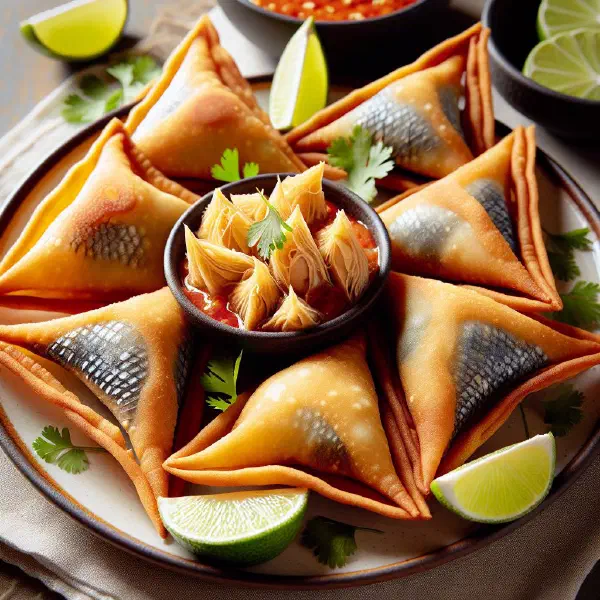
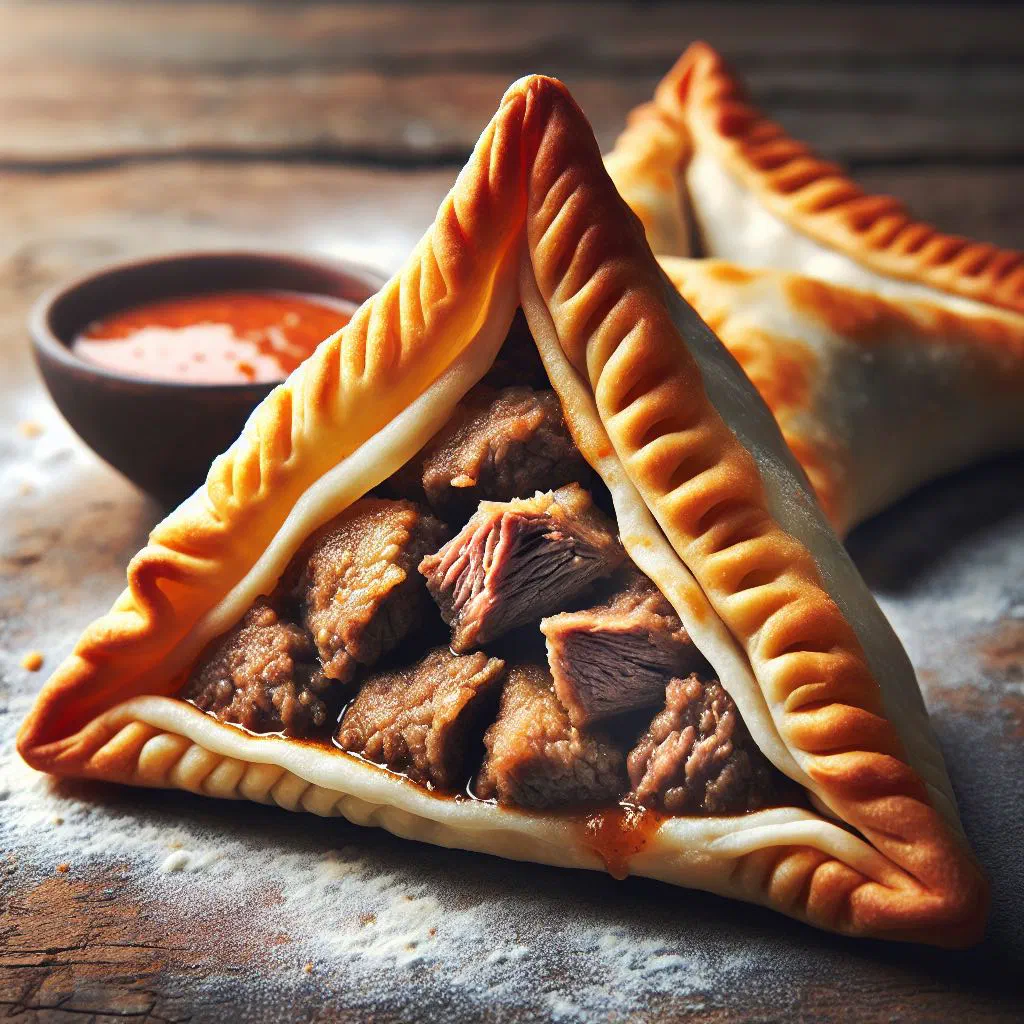
Meet Sambusa with Lamb, one of Djibouti’s most cherished bites. These crisp, golden pastry parcels are stuffed with tender minced lamb and lifted by the warm perfume of cumin, coriander and pepper. Equally good served hot from the pan or enjoyed cold on the go, they turn up on tables in homes across the country. Bring a taste of the Horn of Africa straight to your own kitchen with this very good snack.
About Sambusa with Lamb
Sambusa are a true delicacy from Djibouti, a fixture on the tables of many households. These crisp pastry parcels are a much-loved national dish and an integral part of Djiboutian and wider regional cooking. Most often filled with tender lamb, they are seasoned with aromatic spices such as cumin, coriander and pepper. The result is a very good snack that can be enjoyed both warm and cold.
Ingredients (serves 1–2)
- 250 g lamb, finely chopped
- 1 onion, diced
- 2 cloves garlic, chopped
- 1 tsp cumin
- 1 tsp coriander seeds
- Salt and pepper to taste
- 4–6 pastry sheets (such as yufka or fresh dough)
- Oil for deep-frying
Shopping for the ingredients
The ingredients for sambusa can be found in many supermarkets or at an international grocery. Spices such as cumin and coriander are especially well suited to this recipe. Be sure to choose fresh, good-quality lamb to guarantee the best flavour. And don’t forget fresh onions and garlic, as they round out the aromas beautifully, much as they do in a hearty plate of Suqaar.
Preparing the dish
Before you start assembling the sambusa, it is important to have everything prepped. Peel and dice the onion and finely chop the garlic. These form the aromatic base of the filling. While you prepare the ingredients, you can already heat the oil for deep-frying in a pan so it is ready as soon as your pastry parcels are filled and shaped.
Step-by-step instructions
- Heat the oil in a pan and sauté the diced onions and chopped garlic until golden brown.
- Add the minced lamb to the pan and fry until cooked through.
- Stir in the spices — cumin, coriander, salt and pepper — and mix well. Remove from the heat and leave to cool.
- Lay a pastry sheet on a clean work surface, add a spoonful of the lamb filling and brush the edges with water.
- Fold the pastry over and press the edges together firmly so the filling cannot leak out.
- Deep-fry the filled sambusa in the hot oil until golden brown, then drain on kitchen paper.
Gluten-free / lactose-free version
For a gluten-free version of the sambusa, use special gluten-free pastry sheets, available in many health-food or wholefood shops. Alternatively, you can make a simple dough from corn or rice flour. As for lactose, the recipe is naturally lactose-free as long as you add no dairy to the filling. Take care to clean all your kitchen utensils thoroughly to avoid cross-contamination.
Tips for vegans and vegetarians
Vegan or vegetarian versions of the sambusa are easy to put together. Instead of lamb you can use a mix of mixed vegetables such as spinach, carrots and peas. Lentils also make a protein-rich and tasty filling. Use the same spices to keep the flavours intense, so the sambusa are every bit as delicious as the original.
More tips and tricks
A few handy tips can help you make your sambusa even better. Be sure to seal the edges of the pastry parcels well to stop the filling leaking out while frying. If you prefer, you can also bake the sambusa in the oven for a lighter version. Score the parcels slightly beforehand to achieve even cooking.
Adapting the recipe to your taste
The sambusa recipe is highly adaptable. If you have a particular preference, you can vary the filling as you like. Add chilli for a spicier note, for instance, or use a mix of different meats. Try other herbs too, such as fresh coriander or mint, to make the aroma even more interesting.
Ingredient substitutions
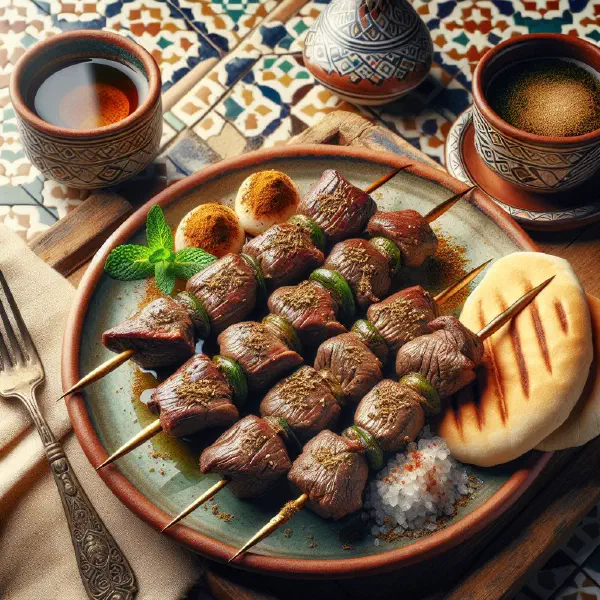
If you don’t have certain ingredients to hand, there are plenty of alternatives to choose from. In place of lamb you can use beef or chicken, the same kind of tender meat that shines in Kabaab. For a purely plant-based filling, chickpeas are also very popular. The pastry sheets can be swapped for tortillas if you prefer a quicker, simpler option.
Drink pairing ideas
To round off the flavour of the sambusa, you can offer a range of drinks that pair well. A refreshing mint tea or ginger lemonade make ideal companions. A light red wine can also work nicely. If you prefer a non-alcoholic drink, try a zingy pomegranate juice or a spiced chai tea.
Serving and presentation ideas
An appealing presentation makes the meal twice as enjoyable. Serve the sambusa neatly arranged on a large platter, perhaps with a fresh green salad or chopped vegetables. You could also add a yoghurt sauce or a few fresh herbs as a garnish to bring a little colour and freshness into play. Small bowls of different dips, such as a helping of Hummus, would make a great addition too.
A bit of history
The history of the sambusa is fascinating and stretches far back. They most likely originate from the Mediterranean or the Middle East and have evolved over the centuries across different cultures and regions. In Djibouti they are a much-loved dish, especially during special occasions and celebrations. Making these pastry parcels is a culinary art and a sign of community and hospitality, hallmarks of Djiboutian cuisine.
More recipe ideas
Summary: Sambusa with Lamb
The sambusa are a unique and delicious dish that brings the flavours of Djibouti into your kitchen. Whether as a snack or a main course, these crisp pastry parcels win people over with their variety and adaptability. Try different fillings and variations to find your own perfect recipe. Let the history and tradition inspire you, and enjoy this delicate speciality with friends and family.