National Dish Djibouti: Skoudehkaris (Recipe)
In this article
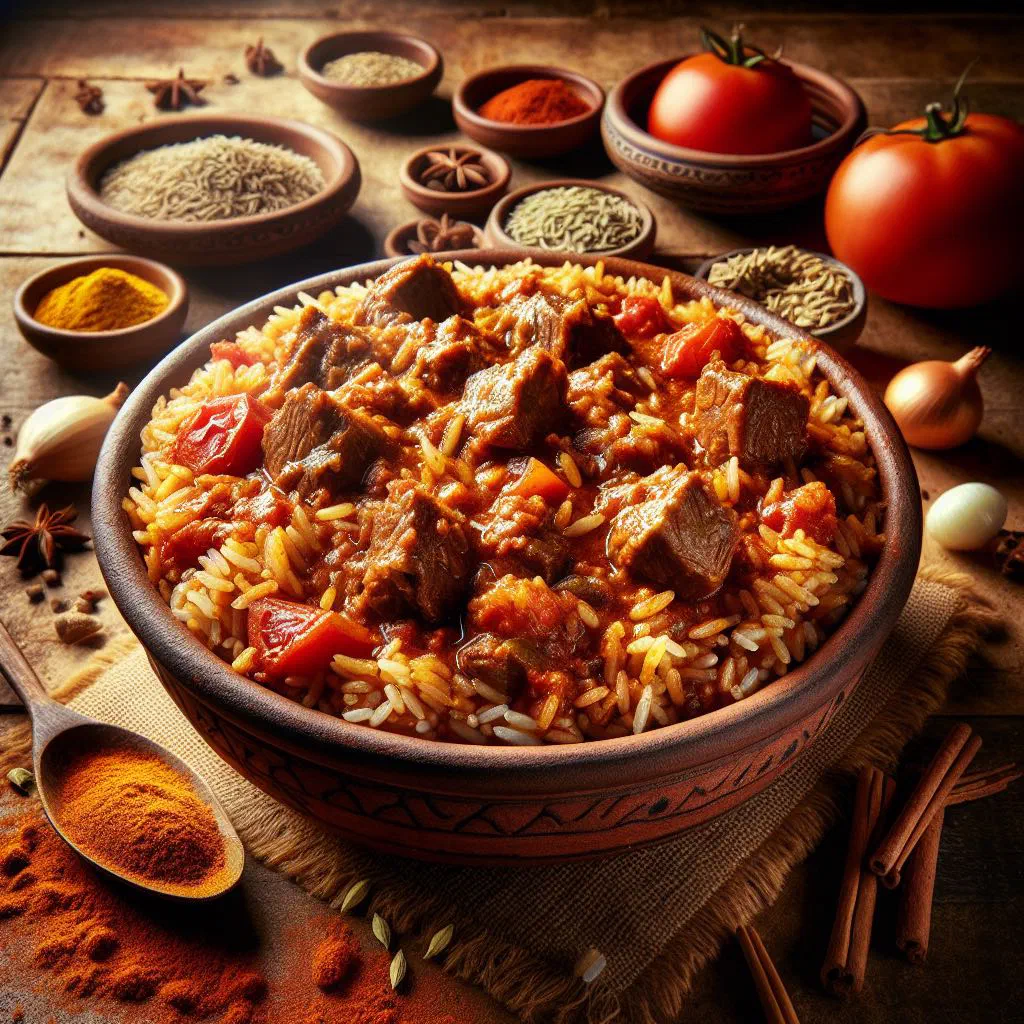
Skoudehkaris is rice and lamb cooked in one pot with cardamom, cumin and coriander, and it sits exactly where Djibouti sits: between the Horn of Africa, Arabia and the Indian Ocean spice routes. It is the dish for Ramadan and for guests.
About Skoudehkaris
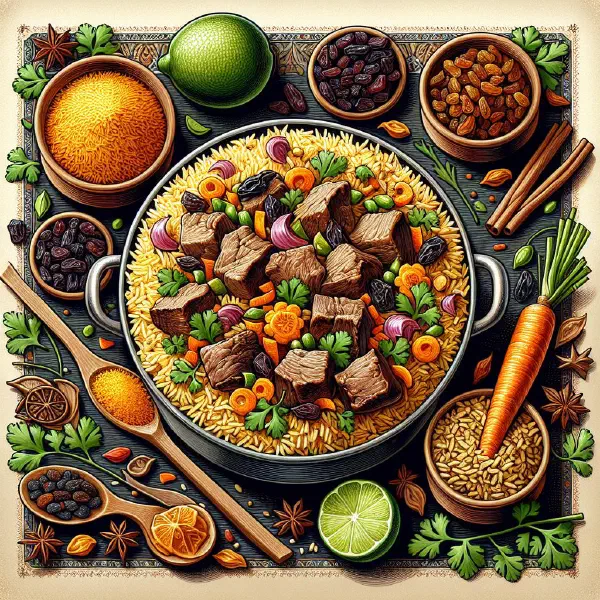
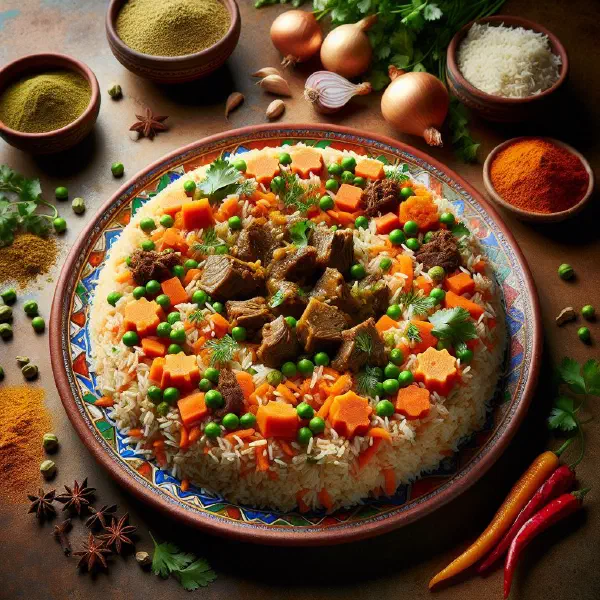
Skoudehkaris, sometimes written skudahkharis, is Djibouti’s national dish. Lamb is browned, spices are toasted in the pot, and rice cooks in the resulting stock so it takes up everything. The spicing is aromatic rather than hot: cardamom, cumin, coriander, sometimes cinnamon and clove.
It is closely related to Somali bariis iskukaris, which reflects the shared population and history of the region.
Ingredients (serves 1–2)
- 250 g lamb, cut into cubes
- 1 cup rice
- 2 tablespoons vegetable oil
- 1 medium onion, diced
- 2 cloves garlic, finely chopped
- 1 teaspoon turmeric
- 1 teaspoon ground coriander
- 1 teaspoon ground cumin
- ½ teaspoon ground cardamom
- ½ teaspoon black pepper
- Salt to taste
- 2 cups water or meat stock
- Fresh tomatoes and fresh coriander, to garnish
Shopping for the ingredients
Lamb shoulder or leg on the bone is best, since the bone enriches the stock the rice cooks in. Basmati or another long-grain rice. Grind the cardamom from green pods if you can; pre-ground cardamom loses its aroma within weeks and it is the defining spice here.
Preparing the dish
Rinse the rice until the water runs clear and let it drain. Toast the ground spices in the oil for a minute before the liquid goes in, which deepens them considerably. Brown the lamb properly rather than just sealing it.
Step-by-step instructions
- Heat the oil in a pot and brown the lamb cubes all over until evenly coloured.
- Add the onions and garlic and let them soften.
- Stir in the ground spices and toast everything for a few minutes so the aromas can bloom.
- Add the rinsed rice and stir until every grain is well coated in the spices.
- Pour over the water or meat stock, season with salt and bring to the boil.
- Cover the pot, lower the heat and let it simmer for about 20 minutes, until the rice is tender and the meat is soft.
- Remove the lid and raise the heat for the final few minutes to drive off any excess liquid.
Gluten-free / lactose-free version
Rice, lamb and spices contain no gluten and no dairy. The dish is suitable for both restrictions as written; check only a shop-bought stock cube.
Tips for vegans and vegetarians
The spiced rice works on its own with vegetable stock, and chickpeas or roasted pumpkin give it substance. This is a common way to eat it when meat is scarce. Serve it with a tomato and onion salad and a chilli sauce.
More tips and tricks
Toast the spices in the oil before any liquid. That single step separates a fragrant skoudehkaris from a dull one. Do not lift the lid during the twenty minutes, and let the pot stand off the heat for ten minutes afterwards so the rice finishes steaming.
Adapting the recipe to your taste
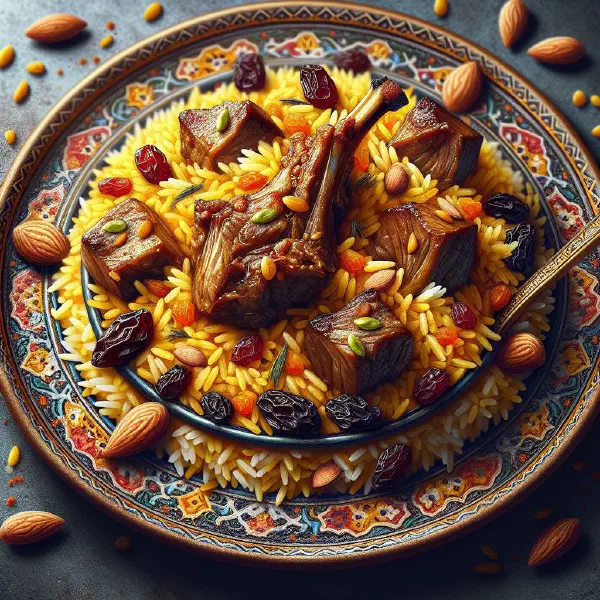
Goat is used as often as lamb in Djibouti. A cinnamon stick and a few cloves in the pot push it towards the Arabian style. Raisins and fried onions on top make the festive version.
Ingredient substitutions
Beef or chicken replace lamb, with chicken needing less time. Ghee in place of oil is richer. A ready-made xawaash, the Somali spice blend, replaces the individual spices well.
Drink pairing ideas
Sweet spiced tea with cardamom and ginger is drunk before and after meals. Laban or a plain yoghurt drink suits the spice. Water alongside.
Serving and presentation ideas
Serve it on a shared platter with chopped tomato and coriander scattered over and a chilli sauce on the side. Bananas are eaten alongside rice dishes across the Horn of Africa, which surprises visitors and is worth trying.
A bit of history
Djibouti’s position at the mouth of the Red Sea made it a trading crossroads for millennia, and the spicing of skoudehkaris records that: cardamom and cinnamon from the Indian Ocean trade, the rice-and-meat format from Arabia. It anchors Djiboutian cuisine alongside maraq and suqaar.
More recipe ideas
Summary: Skoudehkaris
Skoudehkaris is lamb and rice cooked in one pot with cardamom, cumin and coriander. Toast the spices in oil first, keep the lid on, and let it rest before serving.