National Dish Djibouti: Suqaar (Recipe)
In this article
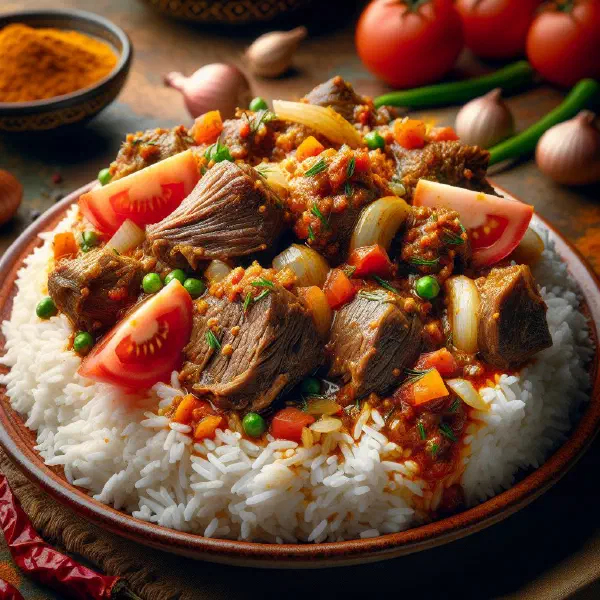
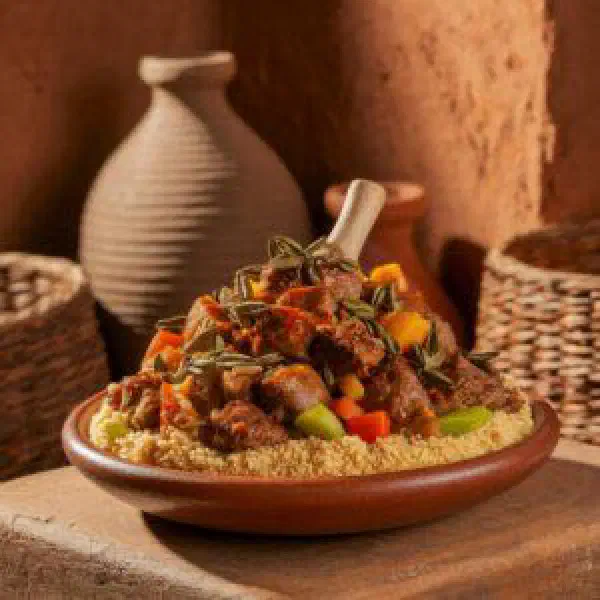
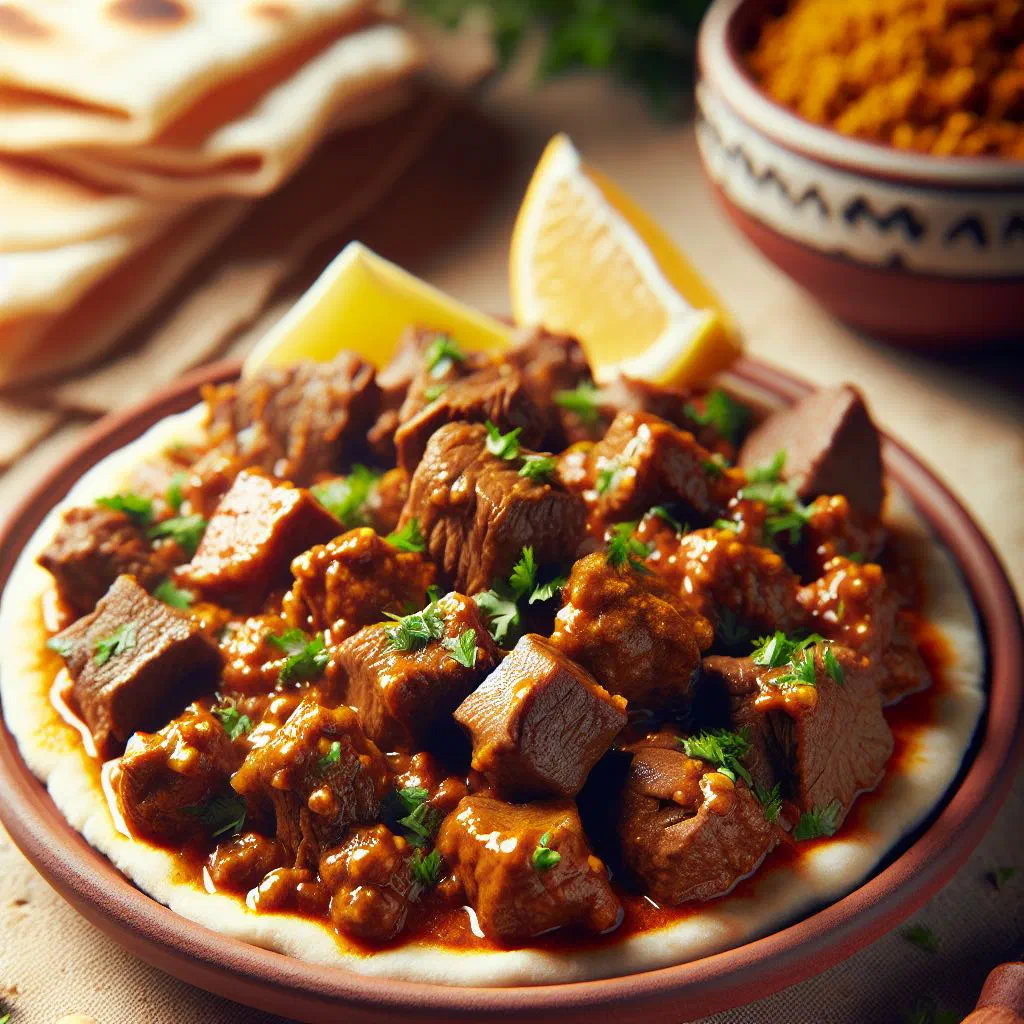
Discover Suqaar, the pride of Djibouti’s kitchen. This hearty beef dish brings together tender cubes of meat, colourful vegetables and a fragrant blend of spices for a truly memorable plate. Warm with cumin and sweet paprika, it captures the crossroads of African, Arabic and French influences that shape the country’s cooking. Whether for a festive gathering or an everyday supper, suqaar offers a memorable taste of the flavours of Africa.
About Suqaar
Suqaar is a genuine highlight of Djiboutian cuisine, winning over cooks and diners alike with its rich aromas and its reliance on fresh ingredients. At its heart is a hearty beef dish, prepared with a carefully chosen mix of spices, vegetables and herbs. Suqaar reflects the cultural diversity of Djibouti and invites you to explore the flavours of Africa. Suited equally to festive occasions and everyday meals, it is the perfect choice for anyone who loves something a little special.
Ingredients (serves 1–2)
- 300 g lean beef
- 1 large onion
- 2 cloves garlic
- 1 pepper (red or green)
- 2 carrots
- 2 tablespoons tomato purée
- 1 teaspoon cumin
- 1 teaspoon paprika
- 2 tablespoons olive oil
- Salt and pepper, to taste
- Fresh herbs (such as coriander or parsley), to garnish
Shopping for the ingredients
When shopping for suqaar, choose fresh produce to guarantee the best possible flavour. Visit your local market or a trusted greengrocer to find good-quality beef and crisp vegetables. Reach for organic produce where you can, as it tends to offer more flavour and more nutrients. A few spices, such as cumin and paprika, may be easier to track down in Asian or Middle Eastern grocery shops, much as you would when gathering the spices for Berbere Chicken.
Preparing the dish
Preparation is a decisive step in making suqaar. Begin by cutting the beef into even cubes so that it cooks through uniformly. The vegetables should likewise be chopped into small pieces so they mingle well with the meat. It also helps to have every ingredient measured out and ready, which keeps the cooking process running smoothly and without fuss.
Step-by-step instructions
- Heat the olive oil in a large pan over medium heat and add the onions. Fry them until golden brown.
- Add the diced beef and brown it well on all sides.
- Stir in the garlic and the vegetables (peppers and carrots) and cook everything together for about 5 minutes.
- Mix in the tomato purée and the spices (cumin, paprika, salt and pepper) until well combined.
- Let the dish simmer gently over low heat for 20–25 minutes, until the beef is tender and the flavours have come together.
- Garnish with fresh herbs before serving.
Gluten-free / lactose-free version
Suqaar is naturally gluten-free and lactose-free, which makes it an excellent choice for anyone with food intolerances. Take care to use gluten-free spices and additives to avoid any risk of cross-contamination. Choose lactose-free versions of any accompaniments if you wish. This makes it easy to work the dish into a gluten-free or lactose-free diet without a second thought.
Tips for vegans and vegetarians
Although suqaar is traditionally made with beef, a plant-based version is simple to create. Swap the beef for cubes of tofu or seitan, which you can marinate beforehand to add extra flavour. Keep an eye on the cooking times, as plant proteins usually cook more quickly. That way vegans and vegetarians can enjoy the flavours of Djibouti too.
More tips and tricks
For an even richer taste, you can add different spices to suqaar or vary the amount of vegetables. A handful of peas or green beans, for instance, brings a fresh note to the pan. Slow cooking over a low heat also encourages the aromas to develop to their fullest. Feel free to experiment with any regional spices you have to hand to give the dish a personal touch, in the spirit of a fragrant Maraq.
Adapting the recipe to your taste
One of the best things about suqaar is its versatility. You can adjust the spices to suit your own palate and discover which combinations you like best. If you prefer things hotter, add a little chilli. For a milder result, reduce the amount of spice or reach for gentler seasonings.
Ingredient substitutions
If some ingredients are not to hand, there are plenty of alternatives for suqaar. Instead of beef, you can use lamb or chicken to achieve different flavours, the same tender meat that shines in Hilib Ari. Peppers can be replaced with courgettes or aubergines, which changes both the taste and the look of the dish. Your creativity knows no bounds.
Drink pairing ideas
A range of drinks pairs beautifully with a dish like suqaar. A light, cool beer can be a refreshing accompaniment, especially in warm weather. Alternatively, fruit juices such as mango or pineapple work wonderfully to complement the flavours of the dish. For wine lovers, a fruity red harmonises well with the hearty, savoury notes.
Serving and presentation ideas
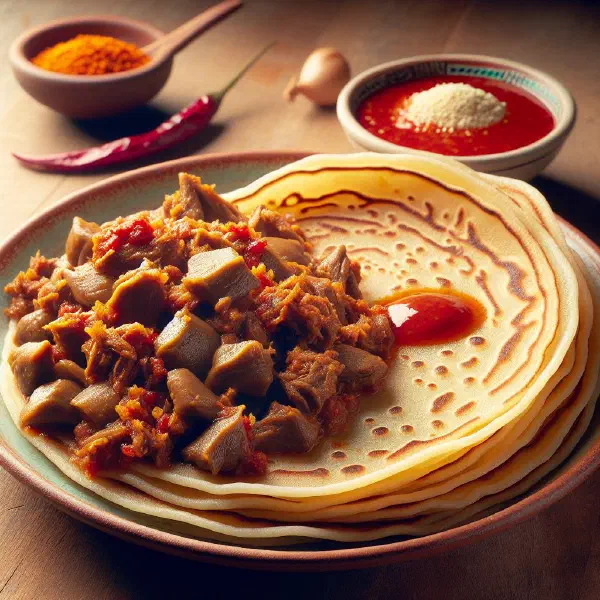
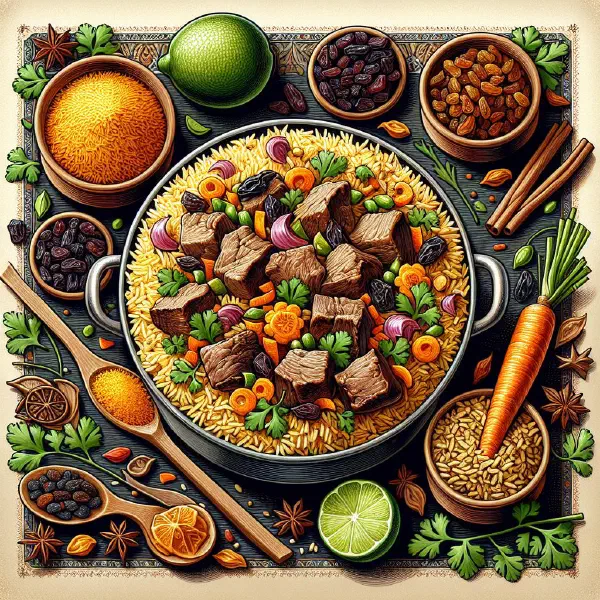
Presentation plays a key part in serving suqaar. Arrange the dish on a large plate to show off the colours of the vegetables and the texture of the meat. A garnish of fresh herbs lends the dish not only flavour but an appealing look. A fitting side such as fragrant Bariis or freshly baked flatbread rounds out the whole picture.
A bit of history
Suqaar is more than just a dish; it is part of the rich culinary tradition of Djibouti. The blend of spices and ingredients mirrors the many cultures that have flowed into the region over the centuries. Djiboutian cuisine is strongly shaped by Arabic, African and French cooking, as dishes like this one clearly show. It is often served at festive occasions or within the family circle, bringing people together and fostering a sense of community. It sits comfortably alongside the wider world of Djiboutian cuisine.
More recipe ideas
Summary: Suqaar
In short, suqaar is an unmistakable dish of Djiboutian cuisine, packed with flavour and cultural influence. It offers a wonderful way to get to know the varied cookery of Djibouti while eating something healthy and nourishing at the same time. Suqaar is sure to become a firm favourite on your menu. Let this delicious dish win you over and enjoy the flavours of Africa on your plate.