National Dish Djibouti: Surbiyaan (Recipe)
In this article
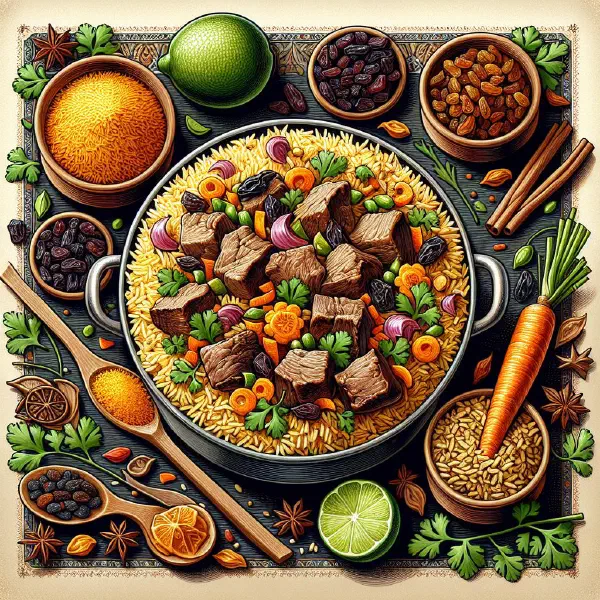
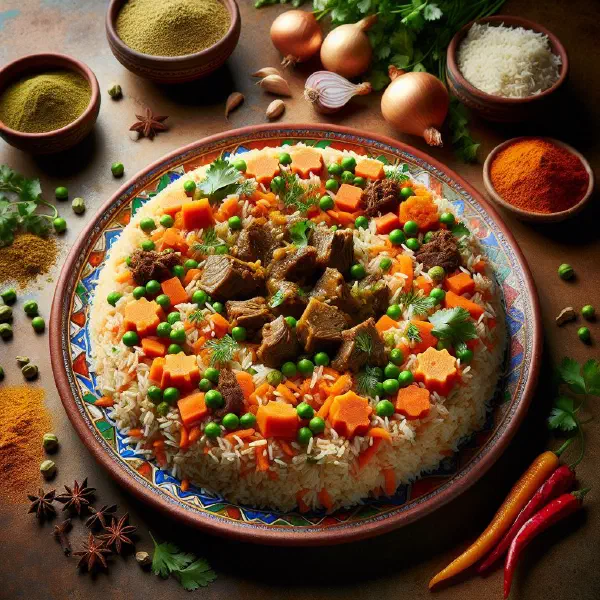
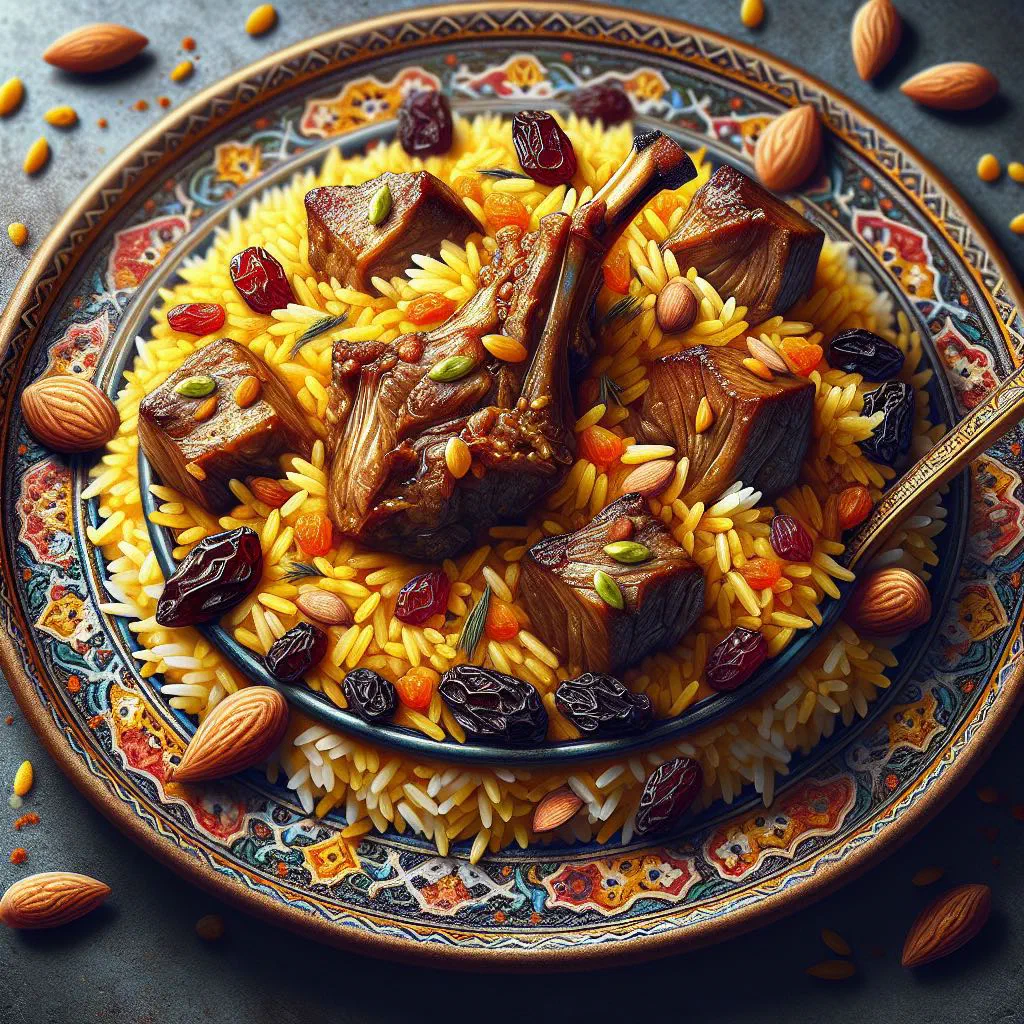
Meet Surbiyaan, the fragrant, spice-laced rice dish that sits at the heart of Djibouti’s festive table. Tender meat, aromatic basmati rice and a warming blend of cumin, cinnamon and turmeric come together in a single pot to create something far greater than the sum of its parts. Traditionally cooked in generous quantities and shared among family and friends, it is as much an act of hospitality as it is a meal. Bring a taste of the Horn of Africa into your own kitchen with this comforting, celebratory classic.
About Surbiyaan
Surbiyaan is a captivating dish that appeals to the senses while embodying the traditions and cultural richness of Djibouti. It is often served at special occasions and celebrations, where preparing it in good company is an important part of the culinary experience. Warmly spiced and hearty, it brings together a variety of ingredients that are carefully balanced to complement one another. Surbiyaan is more than just a meal; it is an invitation to experience the hospitality of Djibouti and to connect with others around the table.
Ingredients (serves 1–2)
- 200 g rice (basmati or jasmine)
- 300 g meat (chicken or lamb)
- 1 large onion
- 2 cloves of garlic
- 1 large carrot
- 1 pepper
- Spices: cumin, cinnamon, turmeric and paprika
- Salt and pepper to taste
- 2 tablespoons vegetable oil
- Fresh herbs (such as coriander or parsley), to garnish
Shopping for the ingredients
When shopping for surbiyaan, it is worth choosing fresh produce, particularly the meat and vegetables. Selecting good-quality rice, such as basmati or jasmine, ensures both flavour and the right texture for the finished dish. Spices are key to the character of surbiyaan, so don’t hesitate to visit a specialist African grocery to track down authentic blends. When picking your vegetables, seasonal produce is the way to go for the best freshness and flavour, much as it is in a comforting bowl of Iskudheh Karis.
Preparing the dish
Preparing Surbiyaan begins with marinating the meat, giving the flavours time to penetrate deeply. About an hour before cooking, toss the meat in a bowl with spices, salt and a little oil and set it aside to marinate. Thorough preparation makes the dish quicker and more efficient to cook. While the meat marinates, get the remaining ingredients ready by washing, chopping and setting them out within easy reach.
Step-by-step instructions
- Heat the oil in a large pan and sauté the chopped onion until golden brown.
- Add the marinated meat and brown well until cooked through.
- Stir in the garlic, diced carrot and pepper and sauté briefly.
- Add the washed rice, stir well and cover with water (about 1.5 times the volume of the rice).
- Add the spices and bring to the boil. Reduce the heat and let the rice simmer for 20 minutes, until tender.
- Garnish with fresh herbs before serving.
Gluten-free / lactose-free version
Making Surbiyaan gluten-free and lactose-free could hardly be simpler. Rice is naturally gluten-free, and the meat can be chosen freely without any need for lactose. For the seasoning, use only certified gluten-free spices to ensure the dish is suitable for everyone. Before you start cooking, take a moment to read the labels on your ingredients so there are no hidden allergens lurking in the mix.
Tips for vegans and vegetarians
For a vegetarian or vegan version of Surbiyaan, simply replace the meat with a combination of cauliflower, potatoes or chickpeas. These ingredients bring plenty of flavour and texture to the dish in their own right. Vegans should take care to choose only plant-based products for the spices and stock, too. To keep the dish just as aromatic, add extra spices and herbs to deepen the flavours, as you might in a warming plate of Marak Digir.
More tips and tricks
One important trick for Surbiyaan is to rinse the rice thoroughly before cooking to remove excess starch. This keeps the grains fluffier and less sticky. It also helps to cover the pan with a lid while the rice cooks, trapping the steam. A scattering of fresh herbs adds the finishing touch that lifts the whole dish.
Adapting the recipe to your taste
Adapting the Surbiyaan recipe to your own preferences is part of the fun of cooking it. You can try different vegetables depending on what you fancy or happen to have on hand. Adding sauces such as mango chutney or yoghurt can also brighten the dish and make it more interesting. Vary the spices to your own liking to find the perfect balance of flavour.
Ingredient substitutions
If some ingredients for Surbiyaan aren’t available, there are plenty of alternatives. In place of basmati rice, you could use jasmine rice or quinoa to discover a new flavour. For the meat, alternative protein sources such as tofu or tempeh work well too. Long-established spices bring their own unique twist to the classic dish, so you’ll never be short of fresh ideas for variations, just as with a fragrant plate of Bariis Iskukaris.
Drink pairing ideas
Plenty of different drinks pair beautifully with a delicious Surbiyaan. A refreshing, fruity juice or even a light beer makes an excellent choice. Traditionally, you might also opt for a sweet tea, which balances the warmth of the spices. Alternatively, a glass of sparkling water quenches the thirst and rounds off the whole experience.
Serving and presentation ideas
Presentation plays a big part in the overall enjoyment of Surbiyaan. The dish can be served in a large, colourful bowl, garnished with fresh herbs and perhaps some toasted nuts. A suitable side such as a fresh, simply dressed salad brings freshness and a lovely contrast. Arranging the plates and bowls can be as creative as you like, giving your guests a real visual highlight.
A bit of history
The roots of Surbiyaan reach deep into the historic cuisine of Djibouti, shaped by the neighbouring cultures of the Horn of Africa. The dish is a fusion of Arab and African cooking traditions that grew out of international trade and cultural encounters. In Djibouti it is often prepared in large quantities to bring families and friends together and to celebrate social occasions. Preparing surbiyaan is itself part of a social tradition that strengthens the sense of community, a spirit shared across much of Djiboutian cuisine.
More recipe ideas
Summary: Surbiyaan
Surbiyaan is a special dish that harmoniously unites the flavours of Djibouti and lends itself perfectly to festive occasions. With its wealth of spices and fresh ingredients, it offers a memorable taste experience. Its straightforward preparation, the flexibility of its ingredients and the social side of the meal make it a perfect choice for anyone keen to discover new culinary horizons.