National Dish Djibouti: Xalwo (Recipe)
In this article
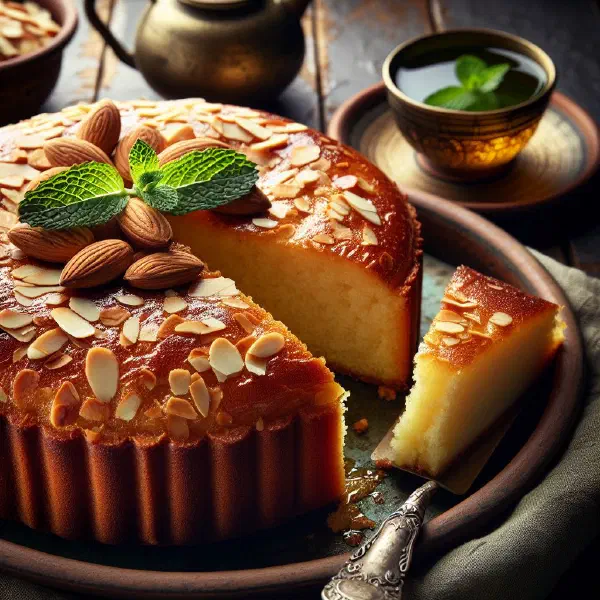
Discover Xalwo, the sweet pride of Djibouti and a fixture at every celebration across the Horn of Africa. This glossy, spiced confection melts on the tongue, blending toasted flour, sugar and rich ghee with the warm perfume of cardamom and cinnamon. More than a dessert, it is a gesture of hospitality, the kind of treat set before honoured guests. Bring a taste of Djibouti’s generous table into your own kitchen with this simple, rewarding recipe.
About Xalwo
Xalwo is a symbol of the hospitality and culture of the Horn of Africa. It is often served at festivities and special occasions, delivering a true explosion of flavour. This light and sweet treat has a remarkable texture that dissolves gently in the mouth while caressing the senses. Xalwo is a perfect marriage of flour, sugar, ghee and an array of spices that make it wholly unique.
Ingredients (serves 1–2)
- 250 g flour
- 150 g sugar
- 100 g ghee
- 1 tsp cardamom
- 1 tsp cinnamon
- 1 pinch of salt
- Water as needed
Shopping for the ingredients
The ingredients for xalwo are usually easy to find in Asian or African grocery shops. Flour, sugar, ghee and the spices are common products, often sold in several varieties. Take care to choose good-quality ghee, as it has a decisive effect on the dessert’s distinctive flavour. Fresh spices matter too if you want an intense aroma, so consider alternative sources such as spice shops or online suppliers.
Preparing the dish
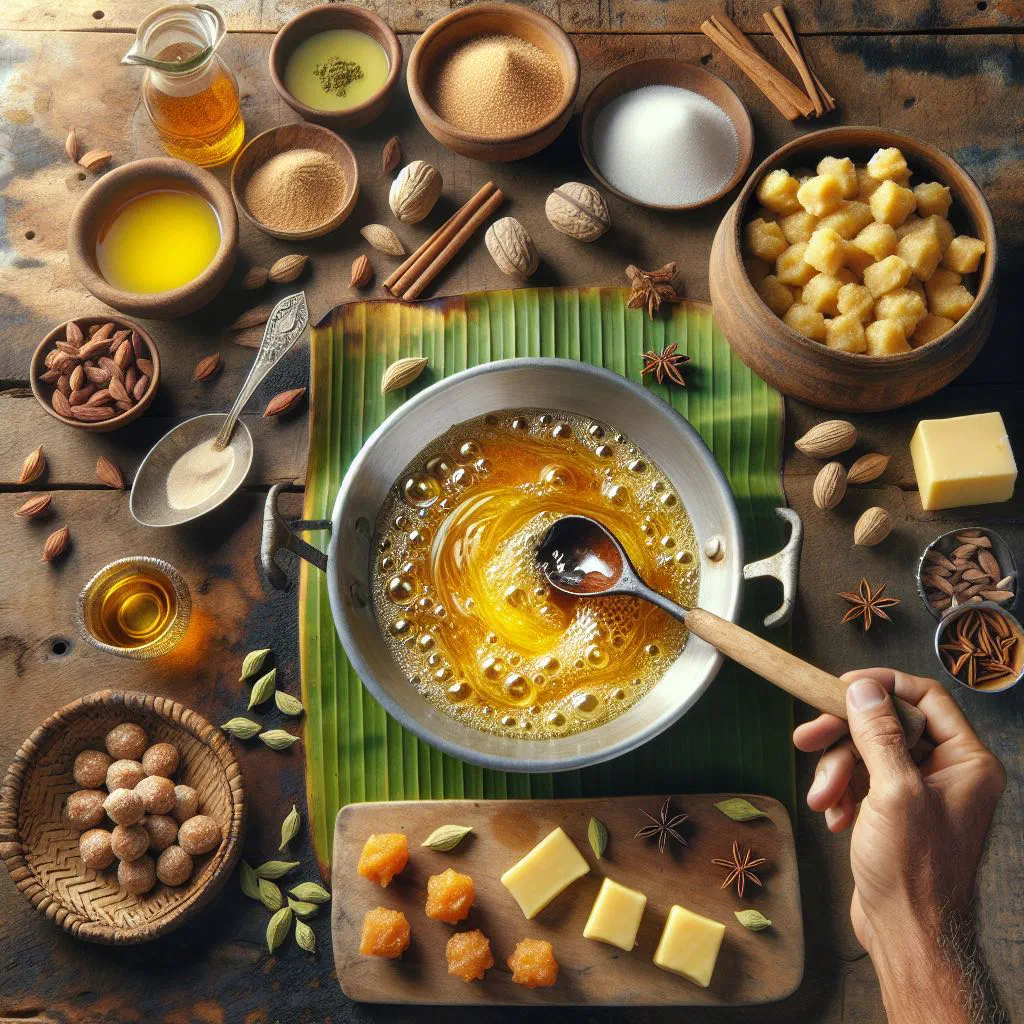
Before you start making xalwo, it is wise to have all the ingredients ready and your work surface neatly prepared. Measure each ingredient carefully to achieve the best result. Good preparation keeps the process running smoothly and improves the quality of the finished product. Make sure, too, that all the utensils you need, such as bowls and a small pan, are close to hand.
Step-by-step instructions
- Warm the ghee gently in a pan and add the flour.
- Toast the flour, stirring constantly, until it turns pale golden.
- Add the sugar, spices and a pinch of salt, then mix well.
- Pour in water slowly until a smooth, thick mass forms.
- Tip the mixture into a greased mould and spread it evenly.
- Let it cool before cutting into bars.
Gluten-free / lactose-free version
For a gluten-free version of xalwo, you can use gluten-free flour in place of ordinary flour, which is available in many health-food shops. The ghee is naturally lactose-free, which makes this dessert suitable for anyone with a lactose intolerance too. When buying gluten-free flour, check the ingredient list to be sure there are no unwanted additives. These adjustments let you enjoy the traditional dish without sacrificing its flavour.
Tips for vegans and vegetarians
Vegans can use plant-based margarine instead of ghee to make xalwo. It is also worth reaching for refined sugar or another plant-based sweetener. With the spices, opt for natural, unprocessed products to preserve the full flavour. These tweaks make xalwo enjoyable for every kind of diet and broaden its culinary possibilities.
More tips and tricks
When making xalwo, you can experiment with the texture by adjusting how much water you add. A thicker mass gives a firmer set, while more water yields a creamier consistency. Add your own personal touch by folding in cashews, almonds or pistachios, which make the dessert even more delicious. Stored properly, xalwo keeps for several days in the fridge and is ideal for unexpected visitors, much like the sticky-sweet Gashaato that Djiboutian cooks also keep on hand.
Adapting the recipe to your taste
The xalwo recipe is easy to adapt to personal preference. If you like it sweeter, simply add more sugar. Fans of bold spice can increase the amount of cinnamon or cardamom for an extra layer of flavour. Be creative as you experiment with different ingredients and find out what suits your palate best.
Ingredient substitutions
If you do not have certain ingredients to hand, there are plenty of alternatives. In place of ghee you can use coconut oil to vary the flavour. For those who would rather avoid sugar, agave syrup or another sweetener is a popular choice. The spices can be varied too, by adding ginger, for example, to bring extra warmth and depth, a trick that also enlivens the syrupy Luqaimat.
Drink pairing ideas
Xalwo pairs beautifully with a range of drinks that complement the sweet dessert perfectly. Spiced tea is an excellent choice, as its spices harmonise wonderfully with the flavours of the treat; a cup of Djiboutian Bun Mit Qaxwo coffee works just as well. A glass of cold almond milk or a fresh mint tea also make refreshing accompaniments to xalwo. Experiment with different combinations to discover your own favourites.
Serving and presentation ideas
The presentation of xalwo can greatly enhance the enjoyment. Serve the bars on a handsome plate, garnished with chopped nuts or dried fruit. A dusting of icing sugar or cinnamon can add an aesthetic touch as well. Arranging the pieces creatively catches the guest’s eye at once and makes the dish all the more appealing.
A bit of history
Xalwo is deeply rooted in the culture of Djibouti and has been served at feasts and celebrations for generations. It is a mark of hospitality and of the country’s cultural identity. Many families have their own recipes and particular methods of preparation, handed down from one generation to the next. Enjoying xalwo is a social occasion that brings people together and nurtures a culture of sharing and togetherness at the heart of Djiboutian cuisine.
More recipe ideas
Summary: Xalwo
Xalwo is a captivating dessert that has won the hearts of countless sweet-toothed fans. With its unique combination of flour, sugar, ghee and a wealth of spices, it is the ideal sweet temptation for special occasions. It is simple to make and allows for endless tweaks, so everyone can create their own perfect xalwo. Savour the experience of getting to know the culture of Djibouti through this delicious dish, and of pleasing your guests with it.