National Dish Dominica: Cou-Cou (Recipe)
In this article
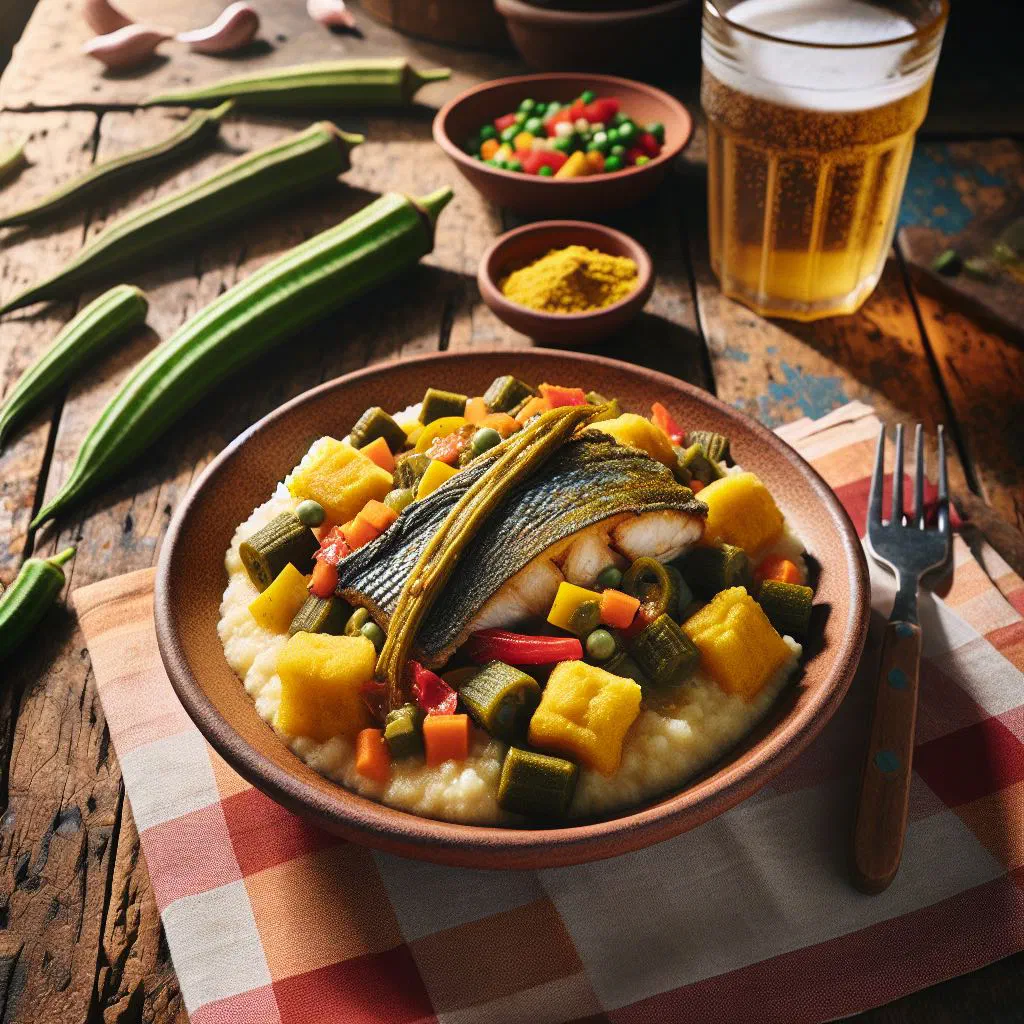
Discover Cou-Cou, a true taste of Dominica. This comforting dish brings together smooth cornmeal and tender okra to create a golden, creamy base that sits at the heart of Caribbean cooking. Simple yet deeply satisfying, it is traditionally spooned alongside fish and meat dishes to soak up all their flavour. Bring a little island warmth to your own table with this authentic classic.
About Cou-Cou
Cou-Cou is far more than a simple side; it is a genuine piece of Dominica’s cultural heritage. It marries the flavours of cornmeal and okra into a delicious, creamy base that appears again and again across Caribbean kitchens. The preparation can vary from cook to cook, shaped by regional ingredients and personal taste. More often than not, cou-cou is served with a range of fish or meat dishes that round out the whole eating experience.
Ingredients (serves 1–2)
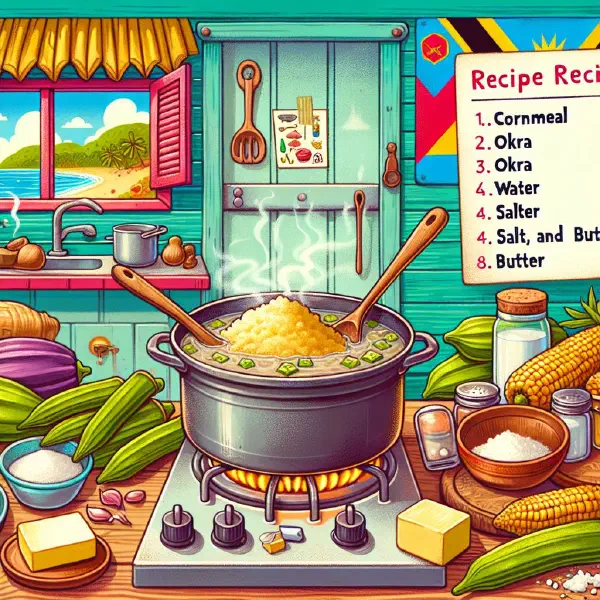
- 1 cup cornmeal
- 1 cup okra, washed and sliced into rings
- 3 cups water
- 1 onion, finely chopped
- 2 cloves garlic, chopped
- Salt and pepper to taste
Shopping for the ingredients
The ingredients for cou-cou are easy to track down in most supermarkets, especially those with a good range of international foods. Cornmeal and okra are staples of Caribbean cooking, so they are also reliably stocked in shops that specialise in ethnic groceries. Take care to choose fresh okra, as it offers the best flavour and texture. Fresh onions and garlic matter too, seasoning the dish and lending it a lovely aromatic depth.
Preparing the dish
Begin with the preparation of the ingredients by washing the okra and slicing it into small rings. Chop the onion and garlic so they are ready to go into the pan later on. For even cooking, have everything measured out and within easy reach. This keeps the process running smoothly and means nothing gets overlooked once the pan is on the heat.
Step-by-step instructions
- Bring 3 cups of water to the boil in a saucepan.
- Add the chopped onion and garlic and let them simmer for 2–3 minutes.
- Tip the okra into the pan and cook until it is soft.
- Lower the heat and slowly rain in the cornmeal, stirring constantly to keep it lump-free.
- Keep cooking the mixture until it reaches a thick, smooth and even consistency.
- Serve the cou-cou warm as a side to your favourite dish.
Gluten-free / lactose-free version
Cou-cou is naturally gluten-free, since it is made from cornmeal, which makes it a brilliant option for anyone with a gluten intolerance. To keep it lactose-free, simply leave out any dairy. The dish stays wonderfully simple and tasty while remaining suitable for those avoiding lactose. As an added bonus, cou-cou is easy to turn into a fully vegan meal. Just choose the right accompaniments to go with it.
Tips for vegans and vegetarians
For vegans, cou-cou is already an excellent choice, as it contains no animal products at all. To make it even more nourishing, you can stir in extra vegetables or some pulses. Vegetarians might finish it with a little cheese or cream to deepen the flavour. Another idea is to swap the okra for other vegetables such as spinach or chard when you fancy experimenting.
More tips and tricks
A few pointers go a long way with cou-cou: use fresh, local ingredients whenever you can. This boosts the flavour and supports growers close to home. It helps to stir the cornmeal firmly and steadily to keep any lumps from forming. Every recipe can be nudged in one direction or another to suit personal preferences and tastes.
Adapting the recipe to your taste
The cou-cou recipe is easy to adjust to suit different tastes and preferences. Experiment with spices such as paprika or turmeric to fold in extra layers of flavour. The choice of vegetables can shift too, depending on the season and what is available.
Ingredient substitutions
If you cannot get hold of okra, you can swap it for other vegetables with a similar texture, such as aubergine or courgette. For a change in mouthfeel, you might also blend a mix of different flours to vary the flavour. Aim for alternatives that still play up the dish’s characteristic personality. It is a great way to give cou-cou your own personal stamp, much as you would when tailoring a hearty Pumpkin Curry.
Drink pairing ideas
A variety of Caribbean drinks go beautifully with cou-cou, from a refreshing rum cocktail to a tropical fruit juice or a glass of sugarcane juice. Even a cool glass of water with a squeeze of lemon or lime makes a refreshing choice. Pairing food and drink from the same region really brings out that authentic Caribbean atmosphere.
Serving and presentation ideas
A thoughtful presentation of your cou-cou can lift the whole eating experience. Serve the dish in a beautiful, handmade bowl that echoes the colours of Caribbean culture. Finish it with fresh herbs such as coriander or parsley and a wedge of lime as garnish. The serving dishes alongside are worth choosing carefully too, to enhance the overall look of the table.
A bit of history
Cou-cou has a long history within the culture of Dominica and has evolved across the generations. It is often seen as a symbol of identity and community, playing a central role at festive occasions and family gatherings. Originally prepared by the indigenous peoples of the Caribbean, the recipe has shifted over time under the influence of many different cultures. Today, cou-cou is a much-loved dish and a hallmark of Dominican cuisine.
More recipe ideas
Summary: Cou-Cou
Cou-cou is a flavoursome and nourishing dish that captures a real joy for life while forming an important part of Dominican culture. The pairing of cornmeal and okra offers a delicious base that sits happily alongside all manner of accompaniments. Cou-cou brings a slice of the Caribbean to your plate through its ingredients and aromas. Take the time to try this dish and enjoy the singular taste of Dominica.