National Dish Dominican Republic: Casabe (Recipe)
In this article
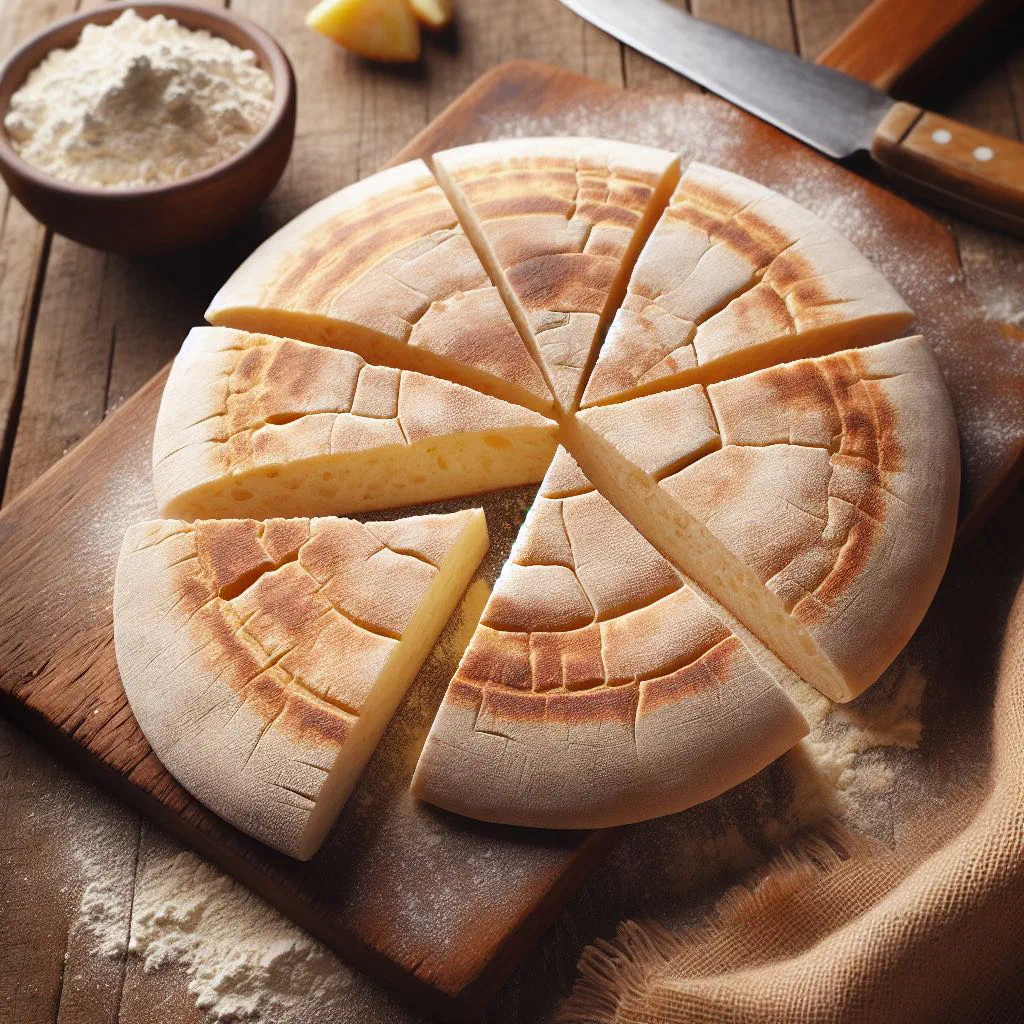
Discover Casabe, the crisp cassava flatbread that has been baked in the Caribbean for centuries. Made from nothing more than yuca and a pinch of salt, it is naturally gluten-free, wonderfully simple and endlessly useful, as a side, a snack or a base for whatever topping you fancy. One bite and a little of the Dominican Republic lands on your plate.
About Casabe
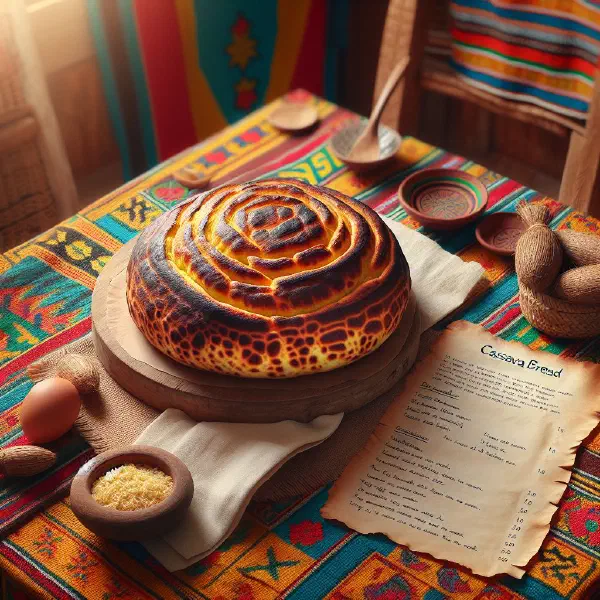
Casabe is a traditional flatbread from the Dominican Republic, made from yuca, also known as cassava or manioc. It is a plain but genuinely tasty bread that is usually served as a side or eaten as a snack. Casabe goes back to the indigenous Taíno, who cultivated yuca across the region long before the arrival of Europeans. Today it remains a cornerstone of Dominican cooking and is loved by cooks of every generation.
Ingredients (serves 1–2)
- 500 g yuca (cassava)
- 1 pinch of salt
- Water, as needed
Shopping for the ingredients
To buy the ingredients for casabe, head first to a Latin American or Asian grocery, as yuca is not always stocked in ordinary supermarkets. If you find fresh yuca, choose a firm, undamaged root with no soft patches. Dried yuca or cassava flour is a good alternative and makes the preparation considerably quicker. Do not forget a little salt for seasoning. That is genuinely all you need.
Preparing the dish
To prepare casabe, start by peeling the yuca thoroughly and cutting it into small pieces. The pieces then need to be boiled until tender, which takes around 20 minutes. Once soft, they are mashed to a smooth paste. Mix that paste with a pinch of salt and it is ready for the next stage, the same straightforward technique that underpins dishes like Bunuelos De Yuca.
Step-by-step instructions
- Peel the yuca and cut it into pieces.
- Bring a pan of water to the boil and add the yuca.
- Boil the yuca for about 20 minutes, until tender.
- Drain the yuca and mash it to a smooth paste.
- Mix the paste with a pinch of salt.
- Spread the mixture on a flat board or in a mould and press it flat.
- Toast the casabe in a hot pan for a few minutes on each side, until golden brown.
Gluten-free / lactose-free version
One of the great advantages of casabe is that it is naturally gluten-free and lactose-free. That makes it an excellent choice for anyone with a gluten or lactose intolerance. The recipe uses only yuca and salt, so it fits comfortably into a wide range of diets. Casabe can therefore be enjoyed by everyone who wants to avoid wheat-based bread without giving up on texture or flavour.
Tips for vegans and vegetarians
For vegans and vegetarians, casabe is an obvious win, as it contains no animal products at all. It works in all sorts of ways, as a side, or as the base for your favourite spread. One lovely idea is to serve casabe with avocado or a plant-based salsa such as Chimichurri Dominicano. That makes the dish not only delicious but nourishing and genuinely satisfying.
More tips and tricks
To make perfect casabe, it is important to mash the yuca really thoroughly so the texture comes out pleasant rather than lumpy. Experiment with the thickness of the flatbread until it suits your taste, thinner rounds turn out crisper. You can also add different spices or herbs to create new flavours. This gives the bread more depth and makes it far more interesting to eat.
Adapting the recipe to your taste
The casabe recipe is easily adapted to different palates. You could, for example, work garlic or onions into the yuca paste for extra flavour. The accompaniments can vary just as much, from grilled vegetables to fish fillets. Try it alongside Pescado Frito. Let your creativity run and build your own personal version.
Ingredient substitutions
If yuca is hard to come by, you can use plantain (boiled cooking banana) instead to achieve a similar flavour and texture. Do keep an eye on the consistency of the mixture and adjust it as needed. Some cooks also start from rice flour or cornmeal. These variations can lead to interesting results and give casabe a whole new character.
Drink pairing ideas
To round out your casabe, non-alcoholic drinks such as fresh lemonade or fruity cocktails work beautifully and let the flavours of the food shine. A cold, refreshing beer is another easygoing option that suits this savoury bread well. For something lighter, coconut water or green tea makes a healthy companion, as does a glass of Morir Sonando. These drinks match the character of casabe and turn a simple plate into a small celebration.
Serving and presentation ideas
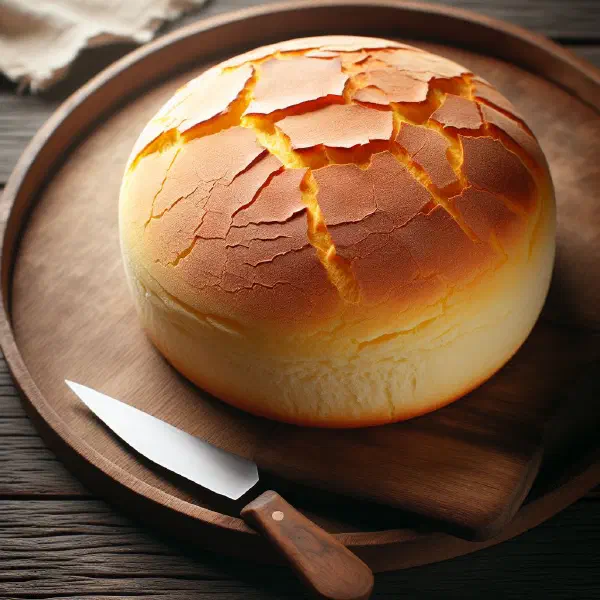
Presentation can make all the difference with casabe. Serve the rounds on a rustic wooden board with colourful vegetables alongside for a striking contrast. An appealing sauce or dip such as guacamole or a hot salsa in small bowls rounds the whole thing off nicely. Aim for plenty of colour across the plate so the dish looks as good as it tastes.
A bit of history
The original casabe recipe has its roots in the indigenous culture of the Taíno in the Caribbean. It was made from yuca, a staple crop widely grown throughout the region. Historically it served as a basic foodstuff for the Taíno, and the method of making casabe has been passed down for centuries. Today it is celebrated in the Dominican Republic and across other Caribbean islands as a culinary symbol of heritage, one of the oldest threads in Dominican cuisine.
More recipe ideas
Summary: Casabe
Casabe is a unique and tasty staple of Dominican cooking that is gluten- and lactose-free and versatile and easy to make. Fresh yuca roots and a pinch of salt are all it takes to produce a delicious flatbread that can be served in countless ways. Whether as a main element of a meal or simply as a snack, casabe brings a piece of Caribbean culture to your table. Let the many options for preparing and presenting it inspire you, and enjoy a taste of the Dominican Republic.