National Dish Dominican Republic: Dulce de Leche (Recipe)
In this article
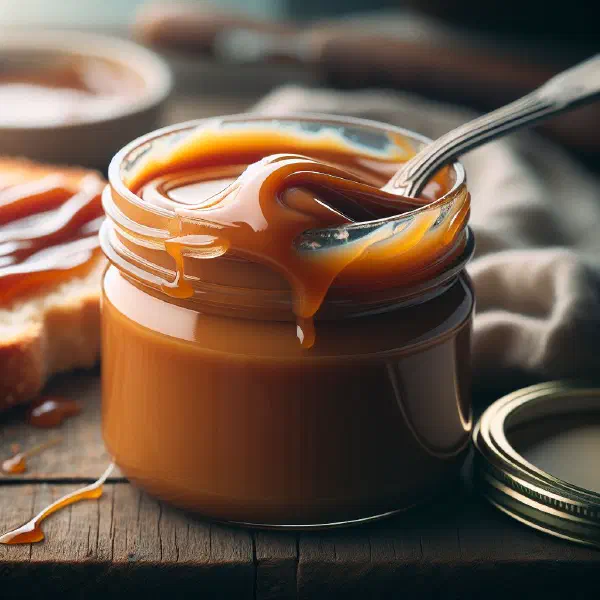
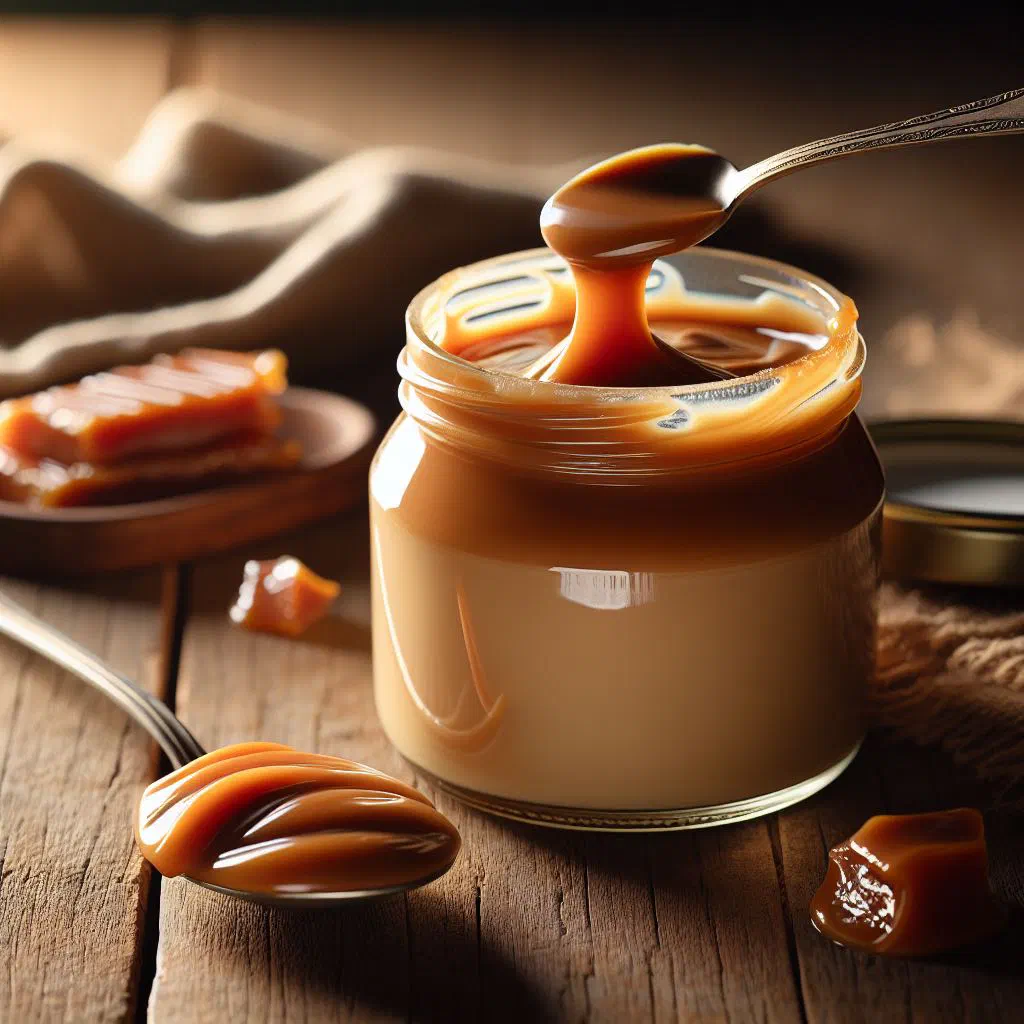
Discover Dulce de Leche, the sweet pride of the Dominican Republic. Made from little more than milk and sugar simmered slowly until it turns thick and golden, this silky caramel has a way of winning over everyone who tries it. Spoon it over fruit, fold it into a cake, spread it on pancakes, or simply eat it straight from the jar. Whichever way you go, it brings a genuine taste of the Caribbean to your kitchen.
About Dulce de Leche
Dulce de Leche is a much-loved dessert from the Dominican Republic that has won countless hearts with its creamy caramel texture. The main components are whole milk and sugar, cooked slowly together until they thicken into a dense, sweet caramel sauce. This versatile treat can be enjoyed on its own or used as a delicious filling for cakes, tarts or pancakes. It is equally at home as a topping for fruit salads or as a spread on warm bread.
Ingredients (serves 1–2)
- 500 ml whole milk
- 150 g sugar
- 1/2 teaspoon vanilla extract
- 1 pinch of salt
Shopping for the ingredients
When choosing the ingredients for dulce de leche, pay close attention to the quality of the milk, as it has a considerable effect on the final flavour. Fresh whole milk is ideal for a rich, creamy consistency. The sugar should be as fine as possible so that it dissolves quickly and caramelises evenly. Vanilla extract can be used either freshly made or in the standard shop-bought form to lend the dessert its aromatic note.
Preparing the dish
Preparing dulce de leche could hardly be simpler. Start by setting out and measuring all your ingredients. It is worth choosing a heavy-based pan that conducts heat evenly, which helps prevent the mixture from catching. Make sure you have a whisk or a wooden spoon to hand so you can stir the mixture regularly as it cooks.
Step-by-step instructions
- Put the whole milk, the sugar, the pinch of salt and the vanilla extract into a heavy-based pan and stir well.
- Heat the mixture over a medium heat, stirring continuously, until the sugar has completely dissolved.
- Reduce the heat to low and let the mixture simmer for 1–1.5 hours, stirring regularly so that it does not catch on the bottom.
- The mixture should thicken and take on a golden-brown colour. Remove it from the heat and leave to cool.
Gluten-free / lactose-free version
Dulce de leche is naturally gluten-free, though it does contain lactose since it is milk-based. For a lactose-free version, use lactose-free milk, which is stocked by most supermarkets. Alternatively, plant-based drinks such as almond or oat milk will give you a vegan version. Bear in mind that the flavour will shift slightly, but the consistency generally stays much the same.
Tips for vegans and vegetarians
For vegans and vegetarians, plant-based milk is the obvious route. Coconut milk in particular lends dulce de leche an appealing tropical note, much like the one you find in Dulce de Coco. A combination of different plant milks can work beautifully too. Alternative sweeteners such as maple syrup or agave nectar let you dial in exactly the level of sweetness you want.
More tips and tricks
A few simple tips will help you achieve the best possible texture and taste. Stir the mixture regularly to stop it catching on the base of the pan. If you prefer a thicker result, simply extend the cooking time accordingly. It is also well worth experimenting with flavourings such as cinnamon or grated chocolate to add a distinctive twist of your own.
Adapting the recipe to your taste
The dulce de leche recipe adapts easily to personal preference. Use less sugar if you would rather have a gentler sweetness, or play with different flavourings and extracts to shape the dessert around your own palate. Every variation has the potential to become a new favourite, the same spirit of improvisation you find in a homemade Dulce de Batata.
Ingredient substitutions
If some ingredients are hard to come by, there are straightforward alternatives. Instead of sugar you can use coconut sugar or stevia, keeping an eye on the conversion ratios. For an even creamier result, a knob of butter can be stirred in, though this only suits non-vegan versions. Using condensed milk from a plant-based source is another interesting variation worth trying.
Drink pairing ideas
A dessert as sweet as dulce de leche pairs well with a range of drinks. A cup of freshly brewed coffee balances the sweetness superbly. A homemade chai tea is another good match, its spices enriching the overall flavour combination. For something cooler, a glass of Morir Soñando makes a refreshing Dominican partner. Warm or cold, the right drink rounds off the experience.
Serving and presentation ideas
Thoughtful presentation makes dulce de leche even more appealing. Serve it in pretty glasses or small bowls for an elegant look. Fresh fruit or whipped cream work well as a garnish and add a welcome splash of colour. Chocolate shavings or chopped nuts scattered over the top bring extra texture and variety to the plate.
A bit of history
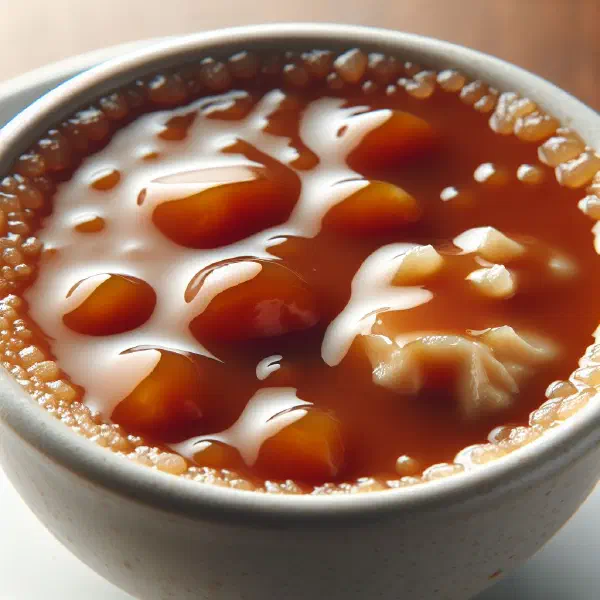
Dulce de leche has its roots in Spanish and Latin American cooking and is treasured across much of the region. Its exact origin is disputed, but most agree that this sweet delicacy dates back to the Spanish colonial era. Over time the recipe and the method have evolved, giving rise to many regional variations. Today dulce de leche is a fixture at traditional festivals and celebrations in the Dominican Republic and beyond, standing alongside classics such as Habichuelas con Dulce in the sweeter side of Dominican cuisine.
More recipe ideas
Summary: Dulce de Leche
In short, dulce de leche is a straightforward yet outstandingly delicious dessert that can be used in countless ways. With only a handful of ingredients you can create something that impresses both visually and on the palate. Whether used as a filling or simply enjoyed by the spoonful, this caramel pleasure will thrill your guests and bring real pleasure to the table. Give it a go and bring a piece of Dominican indulgence into your own kitchen.