National Dish Dominican Republic: Mangu (Recipe)
In this article
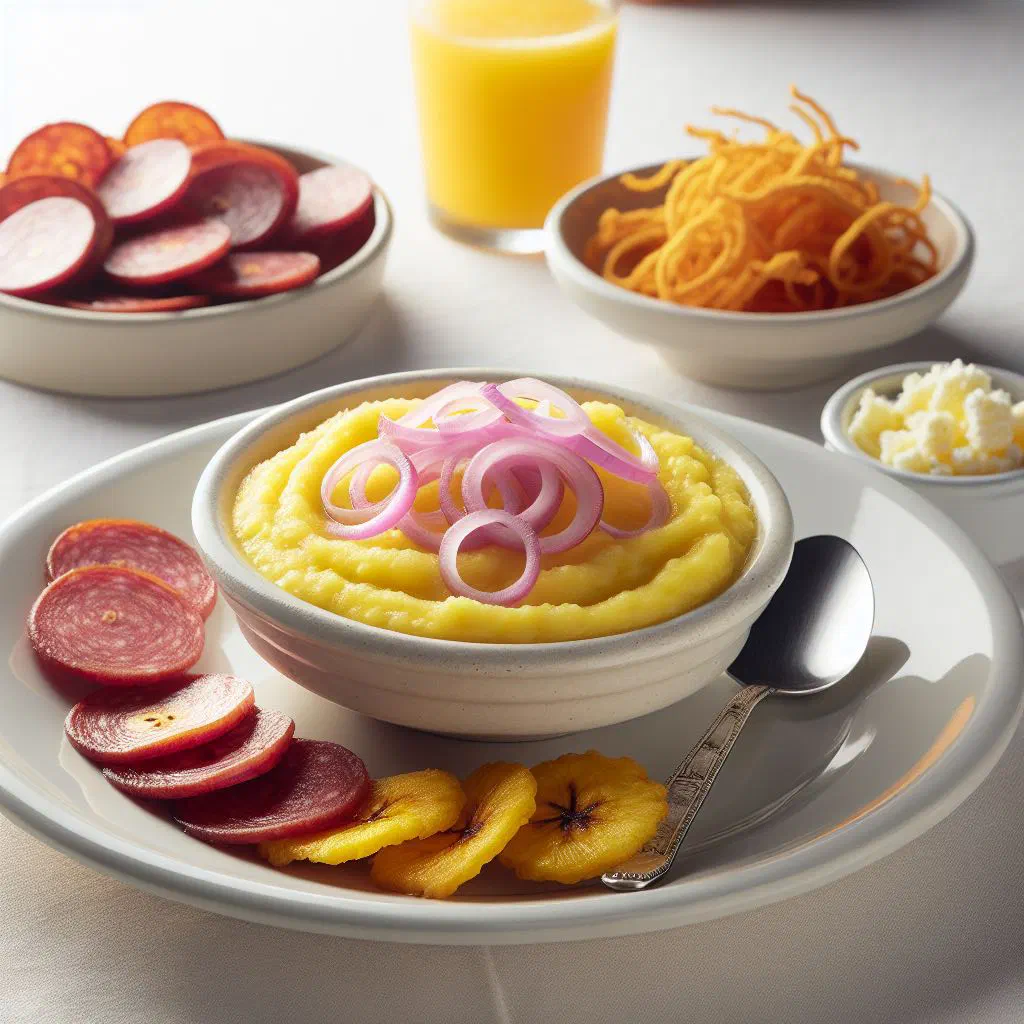
Discover Mangu, the breakfast that wakes up the whole Dominican Republic. Silky mashed green plantains are crowned with sweet fried onions and eggs, with creamy avocado alongside for good measure. It is simple, filling food with real Caribbean character, the kind of plate that carries you through the morning and tastes just as good at lunchtime. Bring a little island sunshine to your own kitchen.
About Mangu
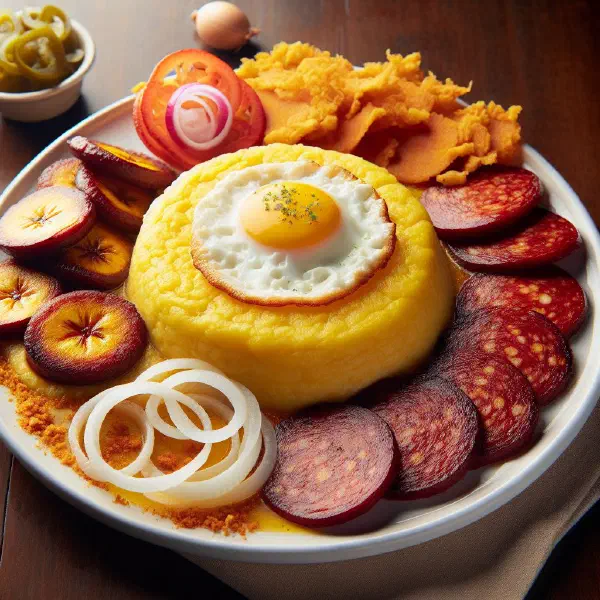
Mangu is not only a classic of Dominican cooking but a dish that has won hearts far beyond the island. This simple yet delicious plate consists mainly of mashed green plantains and is most often served as a hearty breakfast. Mangu is usually enjoyed with fried onions, eggs and sometimes even avocado, which turns it into a complete meal, nourishing and full of flavour at the same time.
Ingredients (serves 1–2)
- 2–3 green plantains
- 1 onion
- 2–4 eggs
- 1 avocado (optional)
- Salt to taste
- Pepper to taste
Shopping for the ingredients
To make mangu, make sure you can find fresh green plantains at your local supermarket or market. Look for plantains that are green and firm, as these mash best. Fresh onions and eggs are just as important for bringing the right flavours to the dish. Optionally, pick up an avocado or two to round the plate out, the same fruit that gives so many Dominican breakfasts their creamy edge alongside a plate of Queso Frito.
Preparing the dish
Before you start cooking, peel the plantains and cut them into evenly sized pieces so that they cook through at the same rate. While you are at it, slice the onions into rings ready for later. Do not forget to get the eggs organised in good time so that everything comes together at the same moment.
Step-by-step instructions
- Put the plantains into a pan of boiling water and simmer for about 20 minutes until soft.
- Drain the plantains and tip them into a bowl while they are still hot.
- Mash them thoroughly with a fork or a potato masher, adding salt and pepper as you go.
- Fry the onions in a little oil in a pan until golden brown.
- In the same pan, cook the eggs however you like them — boiled, scrambled or fried.
- Serve the mangu with the fried onions and the eggs, and add avocado if you wish.
Gluten-free / lactose-free version
Mangu is naturally gluten-free and lactose-free, as long as the ingredients you use are unadulterated. Simply check that the plantains are entirely plain and add no dairy if you are sensitive to it. That makes this dish an excellent choice for anyone with dietary restrictions.
Tips for vegans and vegetarians
Vegans can enjoy mangu just as much by leaving out the eggs or reaching for a plant-based alternative. The onions are prepared exactly as before, so you keep all that lovely aroma. A portion of grilled vegetables on the side adds extra body without compromising any vegan principles. Mangu is therefore a dish that adapts easily to all kinds of lifestyles.
More tips and tricks
For perfect mangu it is important to choose good plantains and mash them properly so the texture turns out creamy. If you would like a little more spice, add a pinch of paprika or garlic powder. Experiment with different flavourings to bring the dish in line with your own taste. A scattering of fresh herbs adds welcome freshness and colour too.
Adapting the recipe to your taste
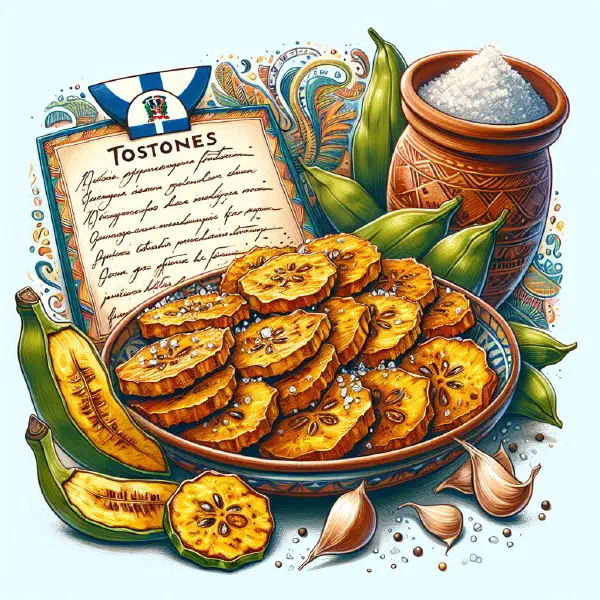
Mangu is extremely versatile and can be adjusted in all sorts of ways. If you want a bolder flavour, try adding smoked salt or a squeeze of lemon juice to intensify the aromas. You can also vary the toppings to suit your mood by working in other popular Caribbean sides, a few crisp Tostones never go amiss.
Ingredient substitutions
If you cannot find green plantains, other varieties of banana will do, though the result will be noticeably sweeter. For a gluten-free option, fry the onions in olive oil and skip any grainy coatings. You can also choose the accompaniments freely, adding meat alternatives or fish such as a portion of Pescado Frito, depending on what you prefer.
Drink pairing ideas
A hearty breakfast such as mangu goes beautifully with freshly pressed juices or a chilled coconut drink. A fruity Caribbean cocktail or a classic dark beer also make excellent companions. If you would rather stay alcohol-free, herbal teas or mint water provide a refreshing contrast to the richness of the plate.
Serving and presentation ideas
Presentation can make mangu the highlight of your breakfast table. Serve the dish in a large bowl or on a platter and garnish it with fresh herbs or lime wedges for an extra splash of colour. A neat arrangement of avocado and fried onions on top makes it look every bit as good as it tastes. The right presentation turns a meal into an occasion.
A bit of history
Mangu has a history and is the product of several culinary traditions meeting. Originally shaped by African and Spanish cooking, it became one of the best-loved plates in the Dominican Republic. It shows how islanders conjure delicious, nourishing food from the simplest of ingredients, a hallmark of Dominican cuisine. Mangu is not merely a dish but a piece of cultural heritage, passed down from one generation to the next.
More recipe ideas
Summary: Mangu
In short, mangu is a delicious and straightforward dish that appeals to with mashed green plantains and a handful of well-chosen accompaniments. It tastes wonderful and it is also a genuine cornerstone of Dominican culture. Mangu offers a superb way to taste the Caribbean. Give it a try and discover the variety and charm of this traditional favourite.