National Dish Dominican Republic: Mondongo (Recipe)
In this article
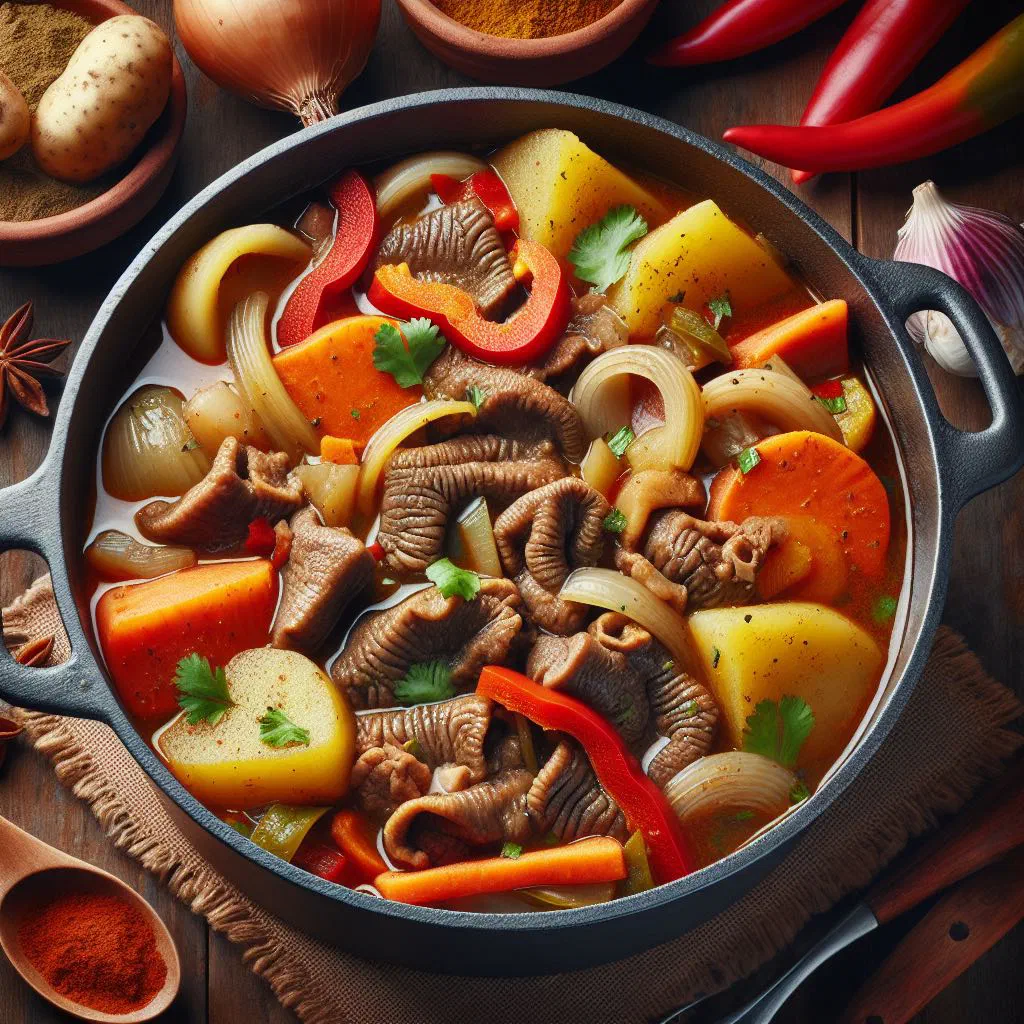
Discover Mondongo, the slow-simmered tripe stew that sits close to the heart of Dominican home cooking. Tender beef tripe, sweet carrots and peppers and a warm hit of cumin and bay come together in a bowl that tastes of Sunday lunches and full tables. It is unhurried, generous soul food, the kind of dish that draws a family into the kitchen long before it is ready, and it brings a genuine breath of Caribbean flavour to your own stove.
About Mondongo
Mondongo is a traditional dish of the Dominican Republic built from a savoury mix of beef tripe, vegetables and spices. It is a much-loved comfort food, often served when friends and family gather. Cooking mondongo at home is a fine way to experience the flavours of Dominican cooking and to get a feel for its rich culinary tradition. In this article you will find everything you need to prepare the dish in your own kitchen.
Ingredients (serves 1–2)
- 500 g beef tripe, cleaned
- 1 large onion, diced
- 2 cloves of garlic, chopped
- 2 carrots, sliced
- 1 pepper, cut into strips
- 2 bay leaves
- 1 teaspoon cumin
- 1 teaspoon ground pepper
- Salt to taste
- Basil or oregano, to garnish
- Water or stock, as needed
Shopping for the ingredients
When shopping for mondongo, a Latin American or Asian grocery is usually your best bet for fresh ingredients. The tripe in particular should be fresh and of good quality, so do ask at the counter to make sure you are getting the right cut. Shops like these often carry the herbs and spice blends you want as well, which can be harder to track down in an ordinary supermarket.
Preparing the dish
Good preparation is what makes mondongo aromatic and full of flavour. Begin by washing the tripe thoroughly to remove any impurities, then cut it into small, even pieces so that it cooks at the same rate throughout. While you are at it, get the other ingredients ready, dice the onion, chop the garlic and slice the vegetables, so that everything is to hand once the cooking begins.
Step-by-step instructions
- Clean the tripe thoroughly and cut it into small pieces.
- Heat a little oil in a large pot and sauté the onions and garlic.
- Add the chopped tripe and fry until lightly browned.
- Stir in the vegetables, such as the carrots and pepper.
- Pour in water or stock and add the bay leaves along with the spices.
- Bring everything to the boil, then leave it to simmer over low heat for around 1–2 hours.
- Taste and adjust the seasoning before serving, and garnish with fresh herbs if you like.
Gluten-free / lactose-free version
One of the best things about mondongo is that it can be made gluten-free and lactose-free without losing an ounce of flavour. The main ingredients, tripe and vegetables, are naturally free of both. All you need to watch is the stock, so pick one that is certified free from gluten and dairy. That way everyone at the table can enjoy the dish.
Tips for vegans and vegetarians
Although mondongo is traditionally made with offal, the recipe adapts well for vegans and vegetarians. Use a mixture of beans, tofu or seitan in place of the tripe to mimic the texture. The vegetables and spices stay exactly the same, so the character of the dish is preserved, and a good vegetable stock does plenty of work in building a rich, rounded flavour.
More tips and tricks
A few extra tricks will get the most out of your mondongo. Let the finished stew rest overnight in the fridge before reheating it, the flavours deepen noticeably. Play with different spices and herbs to make the pot your own, much as you would when seasoning a Pollo Guisado. A squeeze of lime juice just before serving adds a welcome lift of freshness.
Adapting the recipe to your taste
One of the strengths of mondongo is how flexible it is. If you like heat, add a couple of chillies or a hotter spice blend. For a gentler version, hold back on the seasoning and bulk the pot out with more vegetables. The point is to adjust the aromatics and ingredients until the dish suits your own palate.
Ingredient substitutions
If certain ingredients are hard to find, there are always alternatives. Pork works instead of beef tripe and gives the stew a different but equally satisfying character. Carrots can be swapped for courgette or another firm vegetable, and water will stand in for stock at a pinch. Be creative and use what you have, the same easy-going approach that makes Chapea de Habichuelas such a reliable weeknight pot.
Drink pairing ideas
The right drink rounds off a bowl of mondongo nicely. A cold beer is the popular choice in the Dominican Republic. A fruity cocktail or a refreshing mojito also complements the spices well. For something alcohol-free, homemade lemonade or a chilled fruit tea makes a pleasant match.
Serving and presentation ideas
Thoughtful presentation lifts the whole experience. Serve the stew in a large bowl and garnish it with fresh coriander or parsley. Lime wedges and slices of avocado on the side add colour as well as flavour, and a plate of Tostones alongside gives you something to scoop with. A nice tablecloth and decent crockery do the rest.
A bit of history
The origins of mondongo reach far back into Caribbean history and reflect influences from several cultures. Cooking offal was once a matter of using every part of the animal, but it also shows the inventive use of whatever was to hand. The dish is a good example of the variety that grew out of the mingling of African, European and indigenous traditions, the same crossroads that shaped Dominican cuisine as a whole. Today mondongo is enjoyed not only in the Dominican Republic but across much of Latin America.
More recipe ideas
Summary: Mondongo
Mondongo is hearty and nourishing, but it is also deeply rooted in the history and culture of the Dominican Republic. The combination of tripe, fresh vegetables and warm spices makes it a genuine treat. It has every chance of becoming one of your new favourites. Give it a go and enjoy the flavours of the Caribbean straight from your own kitchen.