National Dish Dominican Republic: Yaroa (Recipe)
In this article
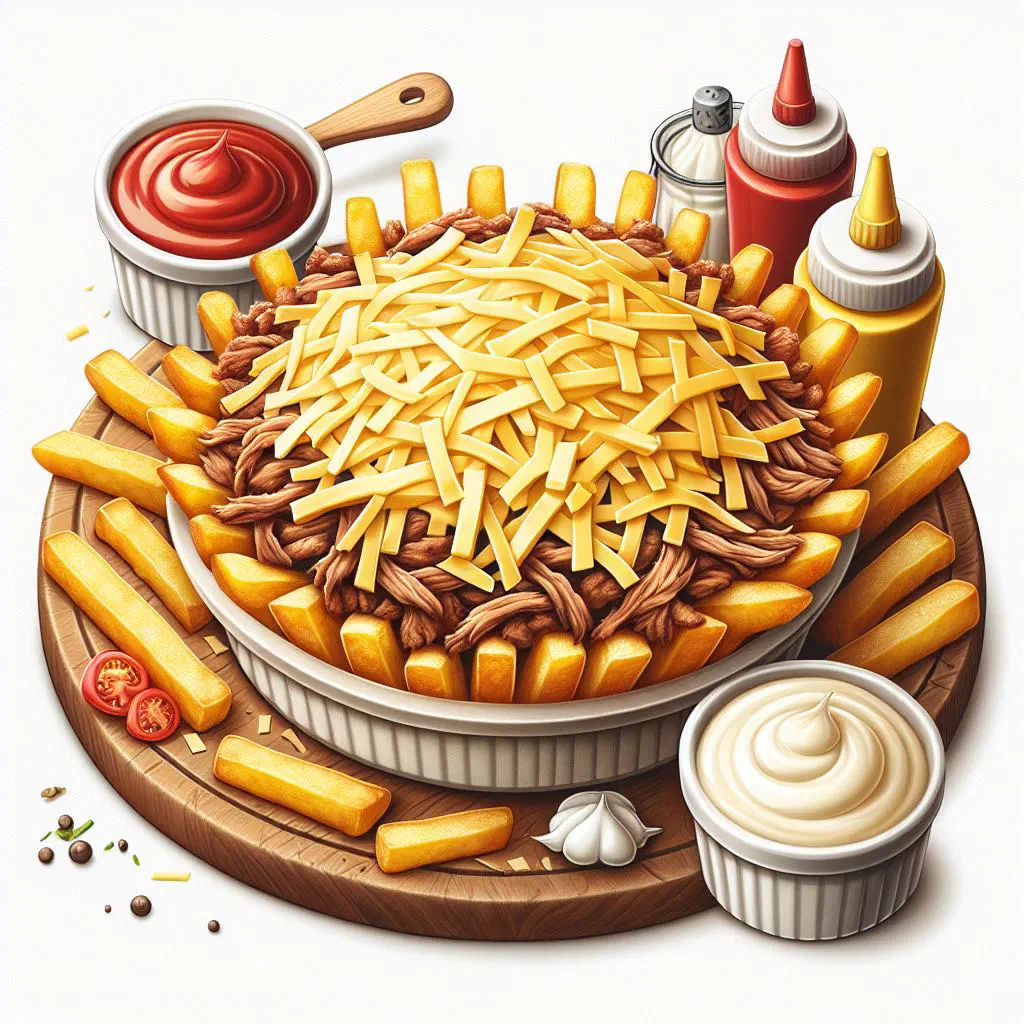
Discover Yaroa, the loaded, cheese-topped street food that Dominicans reach for whenever friends turn up unannounced. Crisp fried plantains or potatoes form the base, seasoned meat piles on top, and the whole lot disappears under a blanket of bubbling cheese and swirls of sauce. It is generous, unapologetically indulgent food built for sharing, and it brings the warmth of the Caribbean straight to your table.
About Yaroa
Yaroa is not simply a dish; it is a genuine slice of Dominican culture. It gathers the flavours and ingredients of the Caribbean into one gloriously messy composition. The combination of fried plantains or potatoes, juicy meat, melted cheese and a scattering of sauces turns every forkful into a small explosion of flavour. Yaroa is nearly always served in company, which makes it an ideal starting point for anyone keen to explore Caribbean cooking.
Ingredients (serves 1–2)
- 200g plantains or potatoes
- 150g meat (chicken, beef or pork)
- 100g grated cheese
- 2 tablespoons ketchup
- 2 tablespoons mayonnaise
- 1 teaspoon spices (paprika, garlic powder)
- Salt and pepper to taste
- Oil for frying
Shopping for the ingredients
Choosing the right ingredients is what gives yaroa its authentic taste. Many of them are easy to find in Latin American or Asian grocery shops. Fresh plantains and good-quality meat are best sourced from your local butcher or market, where you can pick exactly the cut you want. Do pay attention to your spices, too, properly fragrant paprika and garlic powder make a noticeable difference to the finished dish.
Preparing the dish
Getting yaroa ready is straightforward and takes only a handful of steps. Begin by peeling the plantains or potatoes and cutting them into slices. To achieve the ideal texture, they are best either deep-fried or roasted in the oven until golden. While the base cooks, you can marinate and brown the meat so the seasonings have time to work their way through.
Step-by-step instructions
- Slice the plantains or potatoes and fry them until golden brown.
- Brown your chosen meat in a frying pan and season it well with the spices.
- Layer the fried slices in an ovenproof dish.
- Spread the cooked meat evenly over the top.
- Scatter over the grated cheese and add the sauces.
- Bake in a preheated oven at 200°C for 10–15 minutes, until the cheese has melted.
Gluten-free / lactose-free version
Making yaroa gluten-free and lactose-free means nobody has to miss out. Use lactose-free cheese or simply leave the cheese off altogether. In place of the traditional sauces, look for gluten-free ketchup and vegan mayonnaise, both of which are now widely stocked. Just check the labels carefully to make sure no unwanted additives have crept in.
Tips for vegans and vegetarians
For a vegan or vegetarian yaroa, swap the meat for plant-based proteins such as tofu or seitan. Adding a mix of vegetables brings extra colour and variety, much as it does in a Berenjenas Guisadas. The cheese can be replaced with one of the many plant-based alternatives on supermarket shelves, and the sauces adjusted to taste for a meal that is every bit as satisfying.
More tips and tricks
To get the very best from your yaroa, take care not to over-fry the plantains or potatoes. They should be crisp without turning hard. Experiment with different sauces and seasonings to add a personal signature; a spoonful of Chimichurri Dominicano works beautifully. A simple green salad on the side is the ideal foil for all that richness.
Adapting the recipe to your taste
One of the great virtues of yaroa is how readily it bends to your preferences. Try different cuts of meat or lean more heavily on vegetables, depending on the day. Feel free to play with the sauces until the balance is exactly right for you. It means that every time you cook it, there is something new to discover, which is precisely why the dish has such staying power.
Ingredient substitutions
There are plenty of alternatives if a particular ingredient is not to hand. Roasted chickpeas, for instance, keep the protein content high while giving the dish an entirely different character. The plantains can be swapped for sweet potatoes for a gentler sweetness, or for cassava as in Yuca Con Cebolla. These variations open up fresh flavour combinations and make yaroa a remarkably adaptable dish.
Drink pairing ideas
A good drink rounds out the yaroa experience nicely. A Caribbean rum cocktail or something fruity brings an extra tropical note to the table. Alcohol-free options work just as well, fresh fruit juices such as Jugo De Chinola or a lightly sweetened iced tea are both excellent. Serve everything properly chilled so it cuts through the richness of the cheese.
Serving and presentation ideas
Presentation can lift yaroa considerably. Serve it in a large dish ringed with fresh herbs or lime wedges for a bright, inviting look. A colourful mix of vegetables on the side adds contrast to what is otherwise a fairly monochrome plate. Alternatively, portion it into small individual pans, rustic, generous and rather charming when set down in the middle of the table.
A bit of history
Yaroa has its roots in the city of Santiago and is a fine example of the fusion cooking that defines the Caribbean. It began life as street food, sold from stalls late into the night, and quickly found its way into home kitchens across the country. The pile-up of ingredients reflects the sheer variety of Dominican culinary tradition, the same generosity you find in La Bandera Dominicana. Today yaroa turns up well beyond the Dominican Republic, wherever Dominican cuisine has travelled.
More recipe ideas
Summary: Yaroa
Yaroa is an unmistakable dish of Dominican cooking, one that wins people over with its bold, layered flavours. The pleasure is guaranteed. Put the tips and techniques above to use and shape the recipe around what you and your guests enjoy most. Let its variety and creativity inspire you, and discover for yourself why Caribbean food has such a devoted following.