National Dish Ecuador: Fritada (Recipe)
In this article
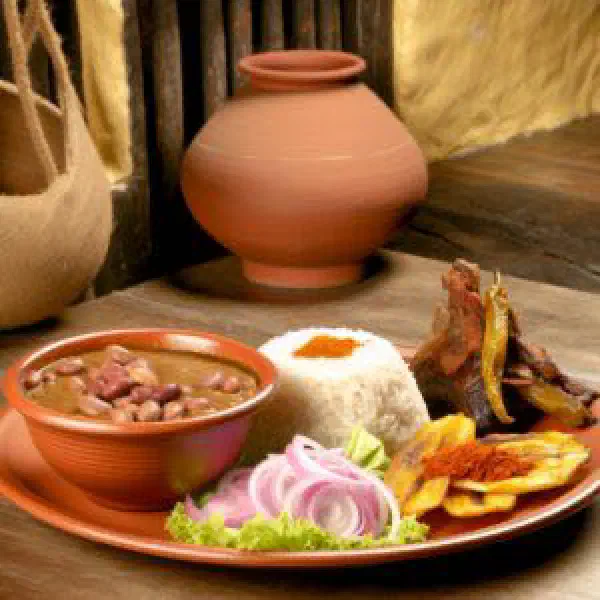
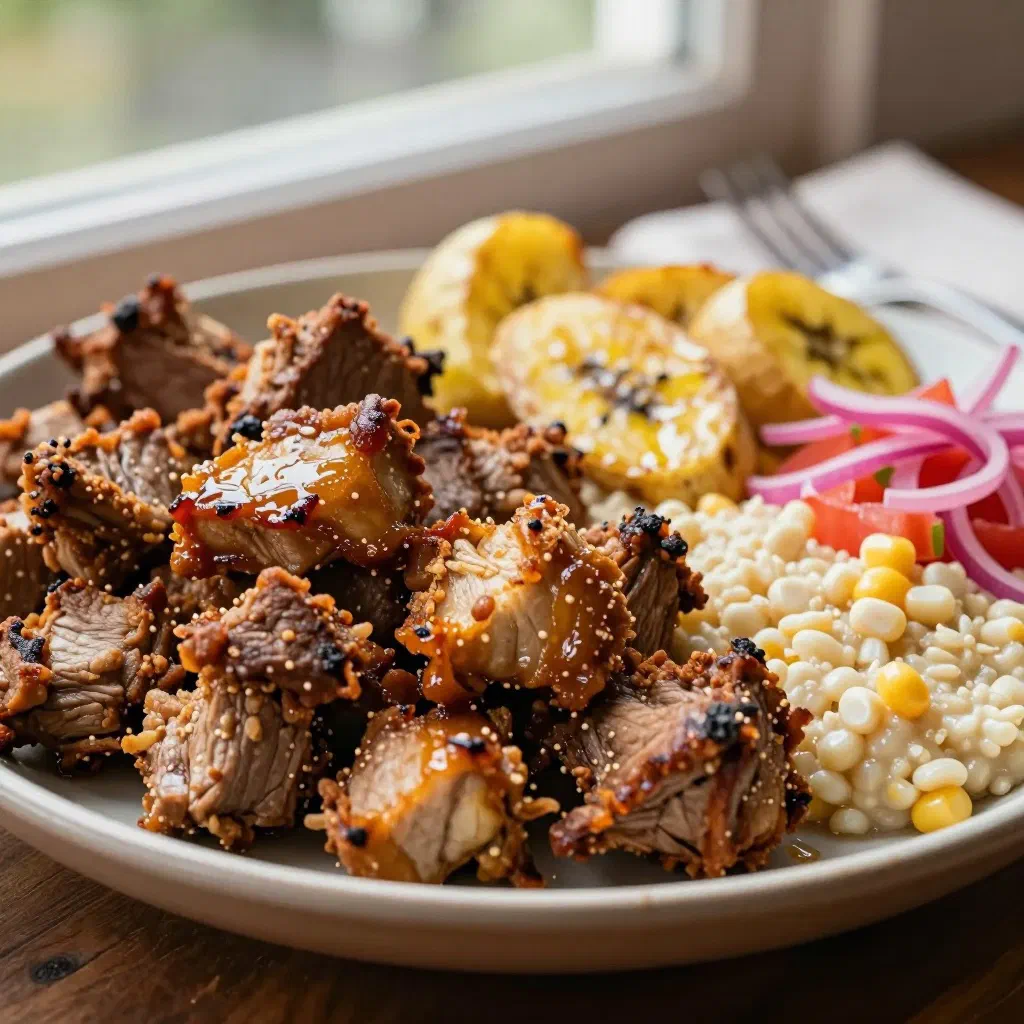
Meet Fritada, one of Ecuador’s most cherished comfort dishes. Tender chunks of pork are first simmered in their own juices, then fried until beautifully crisp and golden. Served alongside sweet fried plantains and a punchy, spicy salsa, it captures the warmth and generosity of Ecuadorian home cooking. Reserved for family gatherings and special occasions, Fritada brings the heart of the Andes straight to your table.
About Fritada
Fritada is a much-loved dish in Ecuador, often served at family celebrations or on special occasions. It is built around pork, cooked gently in its own juices and then fried until wonderfully crisp. The accompanying sides, freshly fried plantains and a spicy salsa, round out the flavour perfectly. This dish symbolises the culinary traditions of Ecuador and the warm hospitality that can be felt in every meal.
Ingredients (serves 1–2)
- 500 g pork (e.g. neck or shoulder)
- 1 cup water
- 1 teaspoon salt
- 1/2 teaspoon pepper
- 2 plantains (for frying)
- Fresh salad leaves (e.g. lettuce or rocket)
- Spicy salsa (e.g. with tomatoes, onions and hot chillies)
Shopping for the ingredients
For the best Fritada, it is important to choose good-quality meat. Visit your butcher or a local market to pick up fresh pork. The vegetables and plantains should also be fresh and ripe to guarantee the finest flavours. Remember to buy every ingredient in the right quantity so you can achieve the very best taste. Many of the same fresh staples turn up in other Ecuadorian favourites such as Hornado.
Preparing the dish
Before you begin cooking, it is well worth getting all of your ingredients ready. The pork should be cut into even pieces so it cooks uniformly. Salt and pepper can be scattered over the meat at this stage to intensify the flavour. Prepare the sides too, the fresh salad and the spicy salsa, so everything can be served together at the same time.
Step-by-step instructions
- Place the pork in a large pan and add the water.
- Season with salt and pepper and bring to the boil.
- Let it simmer for around 30 to 40 minutes, until the meat is tender.
- Remove the meat from the pan and let it drain.
- Fry the drained meat in a pan over medium heat until crisp.
- Meanwhile, slice the plantains and fry them in a separate pan until golden brown.
- Arrange the fried meat on a plate and serve with the plantains, salad and salsa.
Gluten-free / lactose-free version
Fritada is naturally gluten-free and lactose-free, as it contains no such ingredients. For a gluten-free version, simply avoid any processed products that might contain hidden gluten. Fresh meat, vegetables and the sides can all be used without any concern. It is therefore a culinary experience well suited to many different diets.
Tips for vegans and vegetarians
While Fritada is traditionally made with pork, vegan and vegetarian alternatives can deliver a similar flavour. Replace the meat with tofu or tempeh, which can be marinated and fried. The taste can be boosted further with the right blend of spices. Serve the plant-based version with the same sides to create a balanced dish.
More tips and tricks
To make the dish even tastier, you can add a range of spices. Cumin or smoked paprika lend the meat an extra layer of aroma. Keep a close eye on the cooking times to make sure the meat stays crisp on the outside and tender within. Experiment with different sides to create your own personal Fritada experience.
Adapting the recipe to your taste
Fritada is easy to tailor to your own preferences. If you like things hotter, add more chillies to the salsa or serve some chilli oil on the side. For a sweeter note, you can use a little honey or sugar with the plantains. The key is to vary the ingredients so they suit your own taste buds best.
Ingredient substitutions
There are plenty of ways to vary the ingredients in Fritada. Instead of pork, you can use chicken or beef. The sides, such as the salsa, can be swapped for a mango or pineapple salsa to add an exotic touch. For an even more refined dish, try different herbs or nuts in your salad. If you enjoy this style of crisped, seasoned meat, the marinated pork of Carne Colorada makes a natural next step.
Drink pairing ideas
A range of drinks pairs beautifully with a hearty dish like Fritada. A cool lager or a refreshing craft beer from Ecuador harmonises perfectly with the flavours of the dish. Alternatively, you might choose a fruity cocktail or a mild red wine, both of which support the flavours nicely. For an alcohol-free option, a freshly pressed juice is always a good choice.
Serving and presentation ideas
The presentation of Fritada can be greatly improved by arranging the components carefully on the plate. Make sure the crispy plantains and the meaty main are laid out side by side in an appealing way. A fresh salad and the salsa can be served in small bowls to add colour and vibrancy. A pretty table setting turns any meal into a special occasion.
A bit of history
Fritada has its roots in traditional Ecuadorian cuisine and has been passed down through the generations. Many families have their own secret recipes, shaped by their region and by cultural influences. It is a dish that appeals to the palate and to the soul. With every preparation, the connection to Ecuador’s cultural identity is strengthened and the tradition carried on. You can explore more of this heritage across the wider world of Ecuadorian cuisine.
More recipe ideas
Summary: Fritada
Fritada is far more than just a dish; it is a symbol of Ecuadorian culture and gastronomy. With its tender pork, fresh sides and hearty preparation, it is an experience that appeals to the palate as much as it nourishes the soul. Whether for special occasions or simply for the joy of it, Fritada offers a glimpse into the warm hospitality of Ecuador. Dive into this delicious world and enjoy a journey through the flavours and traditions.