National Dish Ecuador: Timbushca (Recipe)
In this article
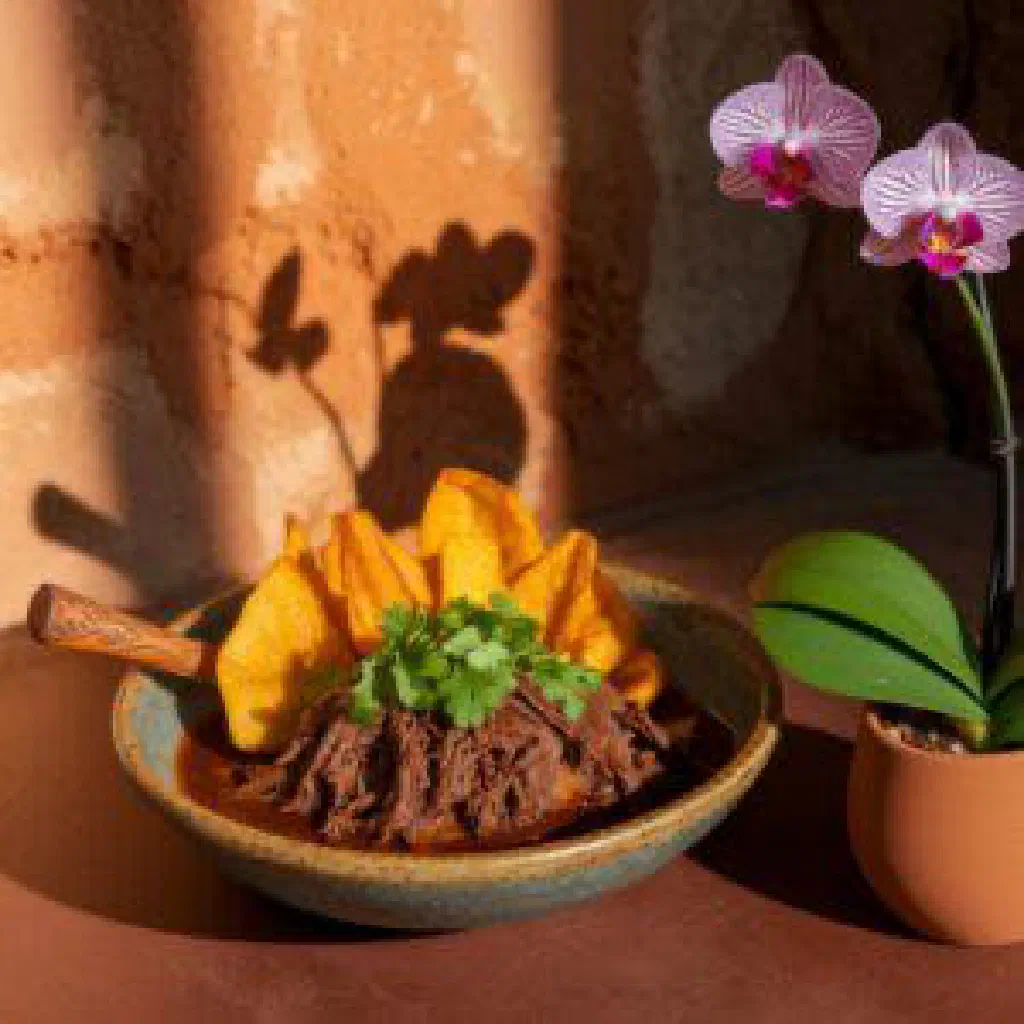
Meet Timbushca, a wonderfully aromatic dish that carries the soul of the Ecuadorian Andes to your table. Tender meat and colourful vegetables are seasoned with warming spices, then wrapped in fragrant banana leaves and gently steamed until everything turns meltingly soft. The leaves lend the parcels a subtle earthiness and lock in every drop of flavour. Rustic, comforting and deeply satisfying, it is a true taste of highland Ecuador.
About Timbushca
Timbushca is a traditional dish from Ecuador that brings together the flavours of the Andes to perfection. It is a hearty, generously filled treat prepared with a combination of vegetables, meat and a rich medley of spices. The parcels are cooked inside banana leaves, which gives the dish a special character and intensifies its taste. This method of steaming produces a wonderfully distinctive texture and an unmistakable aroma that makes Timbushca an absolute must in Ecuadorian cooking.
Ingredients (serves 1–2)
- 300g beef or chicken
- 2 medium potatoes
- 1 carrot
- 1 courgette
- 2–3 banana leaves
- 1 onion
- 2 cloves of garlic
- 1 teaspoon cumin
- Salt and pepper to taste
Shopping for the ingredients
When shopping for Timbushca it is important to choose fresh, good-quality produce. Visit local markets or health-food shops to find crisp vegetables and well-sourced meat. Be sure to track down the banana leaves at an Asian grocery or in the chilled section of your supermarket. They are essential for steaming and give the dish its characteristic flavour.
Preparing the dish
To get the best results with Timbushca, begin by preparing all of your ingredients. Cut the meat into small pieces and season it with cumin, salt and pepper. The vegetables should be diced into even cubes so they cook uniformly and blend harmoniously in flavour. Lay out everything you have prepared to make the cooking process run smoothly.
Step-by-step instructions
- Place the meat and vegetables in a large bowl and mix well.
- Briefly blanch the banana leaves in hot water so they become more pliable.
- Lay a piece of banana leaf on a work surface and spoon a portion of the filling onto it.
- Fold the banana leaf up around the filling and secure it with kitchen string.
- Repeat with the remaining portions.
- Place the filled parcels in a steamer basket over boiling water.
- Steam for about 30–40 minutes, until the vegetables are tender and the meat is soft.
Gluten-free / lactose-free version
Timbushca lends itself beautifully to a gluten-free and lactose-free diet. The recipe uses no wheat products or dairy, which makes it naturally suitable for anyone with intolerances. Just take care that all the spices and ingredients you use are also free from gluten or lactose. That way nothing stands between you and a completely worry-free meal.
Tips for vegans and vegetarians
If you would like to make Timbushca vegan or vegetarian, simply swap the meat for tofu, tempeh or a mix of pulses such as beans or lentils. These alternatives are high in protein and add real body to the dish. Enliven the filling with spices and herbs to deepen the flavour. In this way vegans and vegetarians can enjoy this Ecuadorian classic too, much like a hearty Menestra De Frijoles.
More tips and tricks
To bring out even more flavour in Timbushca, try adding different spices and herbs such as coriander or paprika. A little chilli works wonders for a spicy kick, depending on your taste. The choice of meat can vary too, so lamb or pork make fine alternatives. Experiment with different combinations to discover your own favourite version.
Adapting the recipe to your taste
One of the great things about Timbushca is how adaptable the recipe is. You can vary the vegetables according to the season or your personal taste, and adjust the spices to hit exactly the flavour you want. Be creative and think about which ingredients your family or friends most enjoy, to make the dish even more of a crowd-pleaser.
Ingredient substitutions
If you have trouble finding certain ingredients for Timbushca, there are plenty of alternatives. Beef, for instance, is easily replaced with chicken or even fish. Instead of potatoes you could use sweet potatoes or other root vegetables. This flexibility lets you tailor the dish to whatever ingredients are available where you live, in the same spirit as a warming Locro De Papa.
Drink pairing ideas
To round off your Timbushca experience, give some thought to the right drinks. Traditionally an Ecuadorian aguardiente or a refreshing local beer might be served. Alternatively, a fruity juice such as limonada or a light red wine pairs beautifully too. The choice of drink can intensify the whole flavour experience and bring it all together harmoniously.
Serving and presentation ideas
When it comes to presenting Timbushca, you can let your creativity run free. Serve the dish in the opened banana leaves for a rustic, authentic look. Garnished with fresh herbs such as coriander or parsley, the dish looks all the more inviting. A matching bowl for a side, an avocado salad, perhaps, in the style of an Aguacate Relleno, completes the presentation and ensures it not only looks good but tastes wonderful too.
A bit of history
Timbushca has its roots in the rich and varied culture of Ecuador. It blends the influences of indigenous peoples and European cooking, which have lived side by side in the Andean region for centuries. The dish was traditionally served at celebrations and special occasions, making it a symbol of hospitality. A little piece of Ecuador that appeals to the palate and has a story to tell, a hallmark of Ecuadorian cuisine.
More recipe ideas
Summary: Timbushca
In short, Timbushca is a delicious meal and an experience that reflects the diversity and flavours of Ecuadorian cooking. Its simple preparation, the adaptability of the ingredients and the ease of enjoying it at home make it an essential part of any culinary adventure. Let this traditional dish inspire you and enjoy a flavourful journey into the Andes.