National Dish Equatorial Guinea: Fumbwa (Recipe)
In this article
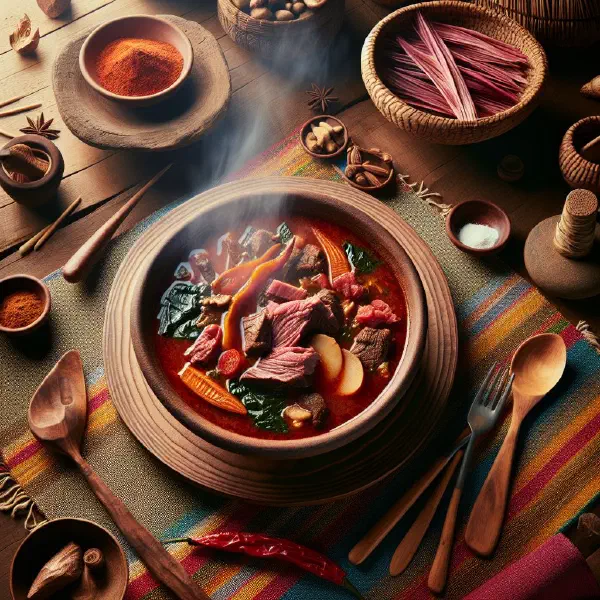
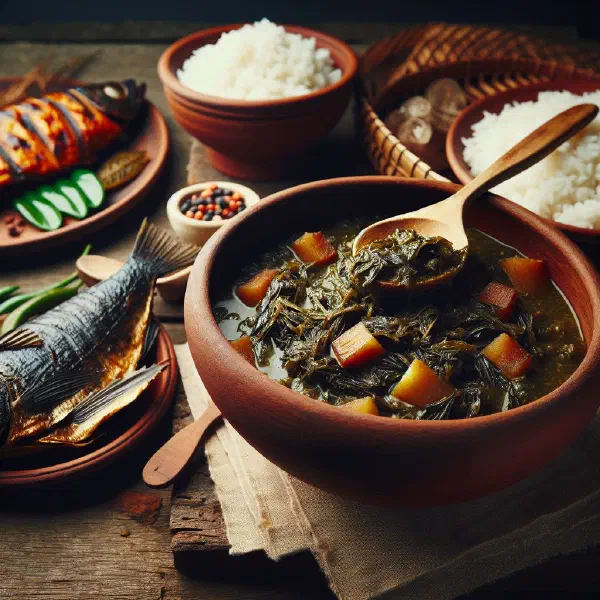
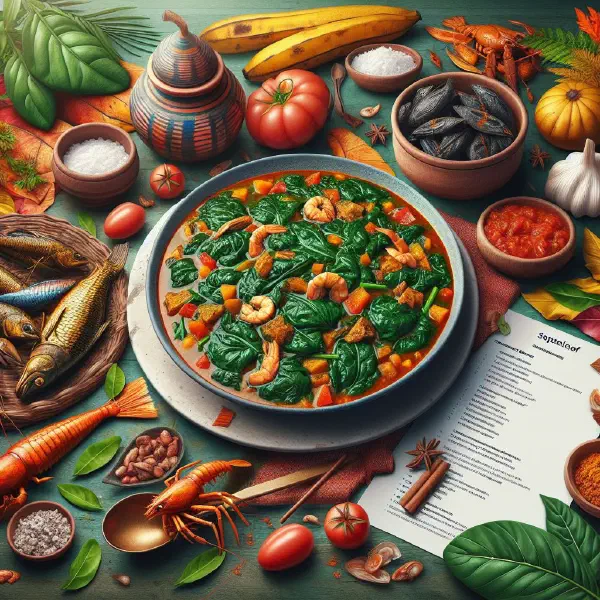
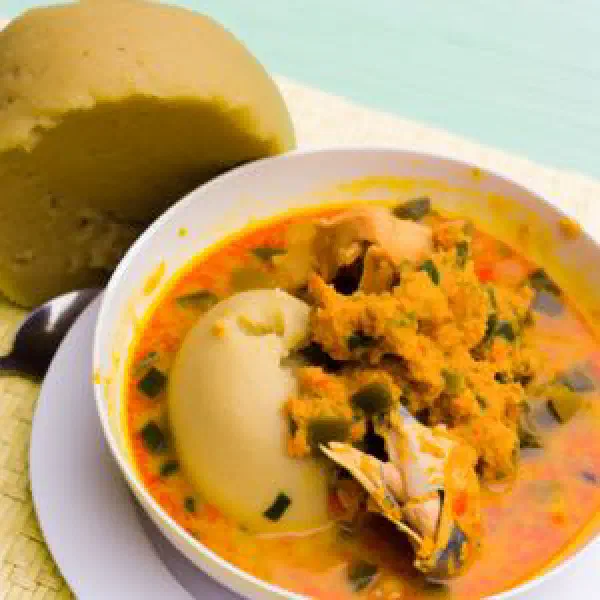
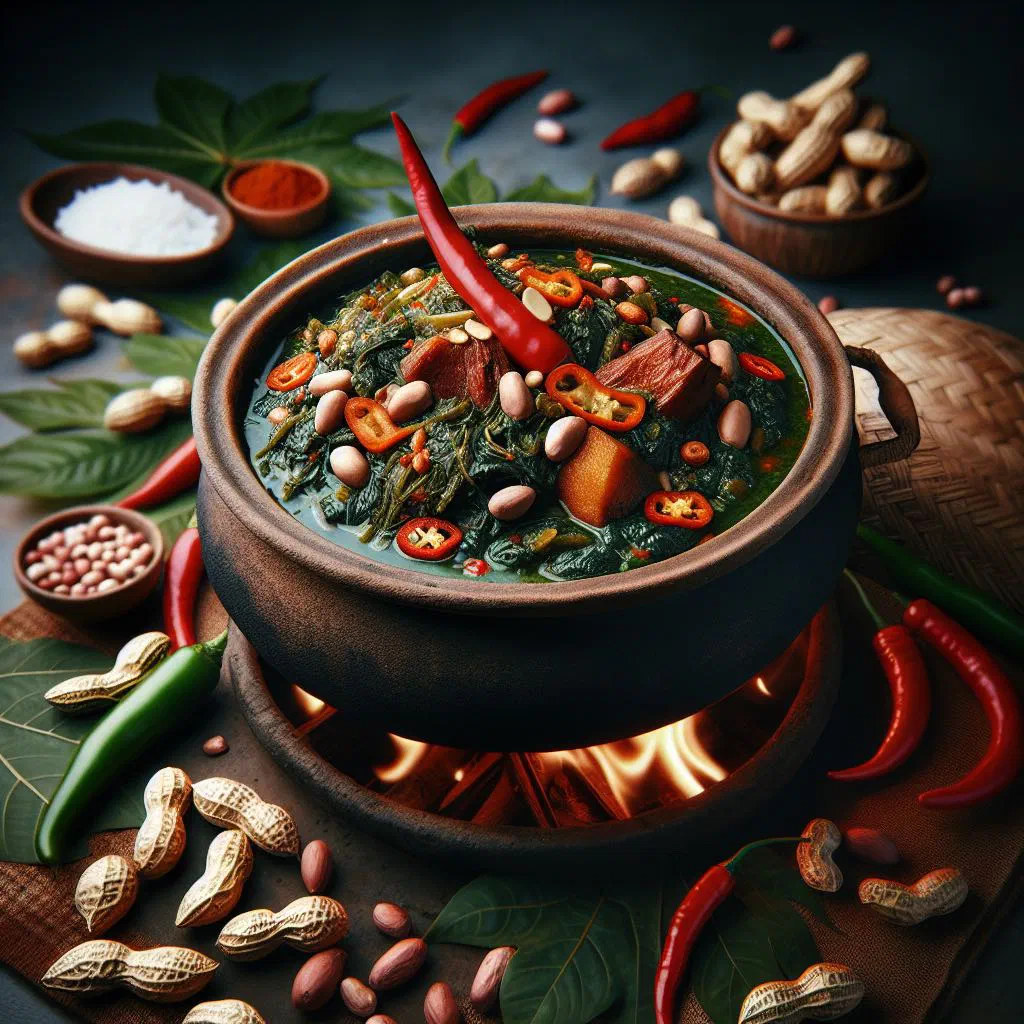
Meet Fumbwa, a soulful stew that speaks volumes about the culinary heart of Equatorial Guinea. It brings together tender leafy greens, nutty ground peanuts and, often, a little fish or chicken in a warmly spiced sauce. More than a meal, it is a taste of tradition, a dish that turns up at family gatherings and festive occasions alike. Cook it at home and you set off on a flavourful journey through the rich culture of this Central African nation.
About Fumbwa
Fumbwa is far more than just a dish; it is a symbol of the culinary diversity of Equatorial Guinea. This speciality unites fresh vegetables, nutty peanuts and often tender fish or meat in a savoury sauce. The flavour of Fumbwa embodies the traditions and customs of the country and frequently forms part of celebrations. By preparing this dish, you start a taste journey through the rich culture of Equatorial Guinea.
Ingredients (serves 1–2)
- 200 g fresh leafy greens (e.g. spinach or chard)
- 100 g peanuts
- 200 g fish or chicken breast (optional)
- 1 onion
- 2 garlic cloves
- 1 chilli (to taste)
- Olive oil
- Salt and pepper
- Water or vegetable stock
Shopping for the ingredients
When shopping for the ingredients for Fumbwa, pay close attention to the freshness and quality of the produce. Using fresh vegetables is essential to unlock the full aroma of the dish. Peanuts are available in most food shops, either in the shell or shelled. For the optional ingredients, such as fish or chicken, it is worth buying directly from the fishmonger or a good butcher. Much like the greens that shine in Bitaleaf, the leaves are the star here.
Preparing the dish
Preparing Fumbwa involves washing and chopping the vegetables as well as grinding the peanuts. If you would like to use fish or meat, this should also be cut into bite-sized pieces. The garlic and onion need to be finely chopped so their aromas can develop fully. A prepared list of ingredients makes the cooking process easier and ensures everything is within reach while you cook.
Step-by-step instructions
- Heat the olive oil in a pan and sauté the onion and garlic until golden brown.
- Add the prepared vegetables and fry for 5 minutes.
- Optional: add the fish or meat and cook for a further 7–10 minutes.
- Stir in the peanuts and pour over water or vegetable stock until everything is well covered.
- Season with salt, pepper and chilli, then let the sauce simmer for 10–15 minutes.
- Serve and enjoy.
Gluten-free / lactose-free version
The preparation of Fumbwa is naturally gluten-free and lactose-free, since the main ingredients consist of fresh vegetables, peanuts and meat or fish. This makes the dish an excellent choice for anyone with the corresponding intolerances. When buying spices and stock, take care that they too contain no hidden gluten or lactose. That way you can be sure your dish is sound both in flavour and for your health.
Tips for vegans and vegetarians
For vegans and vegetarians, the recipe is easily adapted. Instead of fish or meat you can use tofu or extra vegetables to bring out the nutrients and flavour in full. Adding pulses such as chickpeas can also provide an excellent source of protein. Soy sauce or vegan vegetable stock lends additional seasoning and depth of flavour.
More tips and tricks
When cooking Fumbwa there are a few tips and tricks that can help you get the best out of the dish. Try roasting the peanuts beforehand to intensify their aroma. A splash of coconut milk can lend extra creaminess. You can also adjust the amount of chilli depending on how spicy you like your food. Feel free to experiment with different types of greens to discover new flavour combinations, in the same spirit as Saka Saka.
Adapting the recipe to your taste
The recipe for Fumbwa is extremely adaptable and easy to tailor to your personal preferences. You can use different vegetables depending on what is in season. For a more intense flavour you might add extra spices such as cumin or turmeric. Experiment with different kinds of nuts, or add dried fruit to introduce a sweetness that beautifully complements the savoury taste.
Ingredient substitutions
If you do not have every ingredient to hand, there are a few alternatives you can use in your Fumbwa. For example, frozen vegetables can be a good option instead of fresh greens. In place of peanuts you can use almonds or cashews. These adjustments may alter the characteristic flavour of the original dish, yet they still give you the chance to prepare Fumbwa nonetheless.
Drink pairing ideas
To celebrate Fumbwa you can choose various drinks that enrich the tasting experience. A light, refreshing beer harmonises ideally with the spice of the dish. Alternatively you can serve local juices, such as those made from tamarind or pineapple, which offer a sweet refreshment. Pair your dish with an alcohol-free drink for guests who prefer not to drink alcohol.
Serving and presentation ideas
The presentation of Fumbwa can be just as important as the flavour itself. Serve the dish in deep bowls to show off the colourful ingredients. A garnish of fresh herbs or roasted peanuts can add extra visual appeal. Placing lime wedges beside the dish can offer an additional splash of colour and a fresh taste.
A bit of history
Fumbwa has a long history, deeply rooted in the culture of Equatorial Guinea. The dish is an ideal expression of the traditional cooking methods passed down from generation to generation. It reflects the availability of local ingredients and shows how creatively cooks in the region work with them. This culinary tradition is part of the food and of social life, as Fumbwa is often served at celebrations and gatherings, a hallmark of Equatorial Guinean cuisine.
More recipe ideas
Summary: Fumbwa
All in all, Fumbwa is not merely a dish but a culinary experience that reflects the flavours and culture of Equatorial Guinea. With its easily adaptable recipe, it offers plenty of scope to bring together both traditional and modern tastes. Whether for a festive occasion or a simple family meal, Fumbwa is certain to please every palate. Let its exotic aromas enchant you and enjoy this authentic dish within your own four walls.